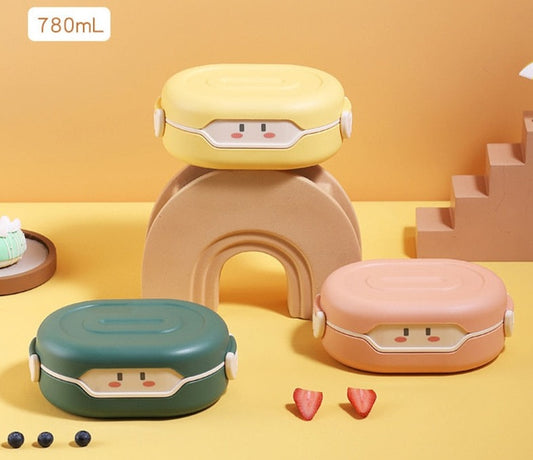
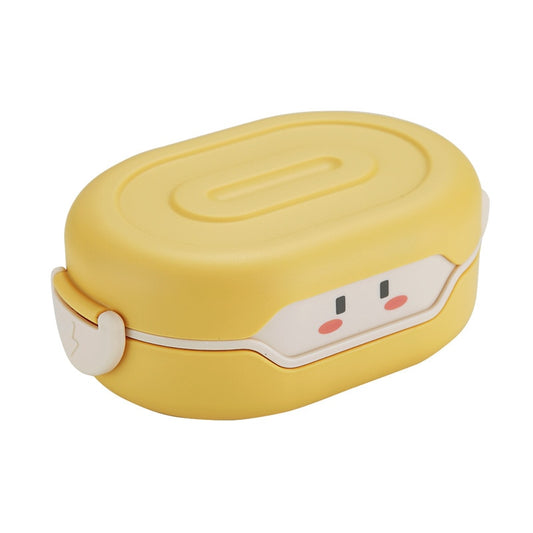
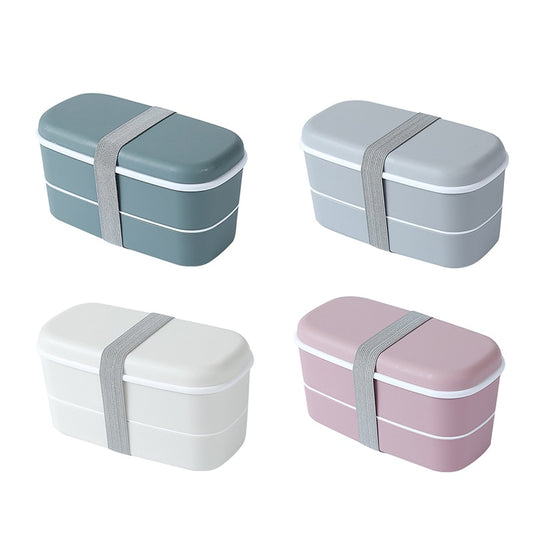
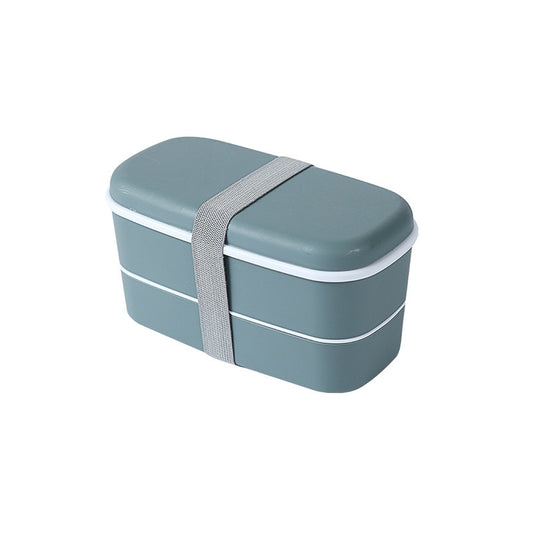
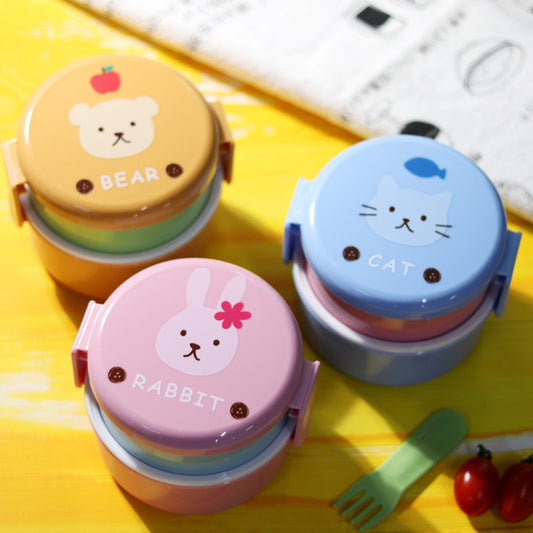
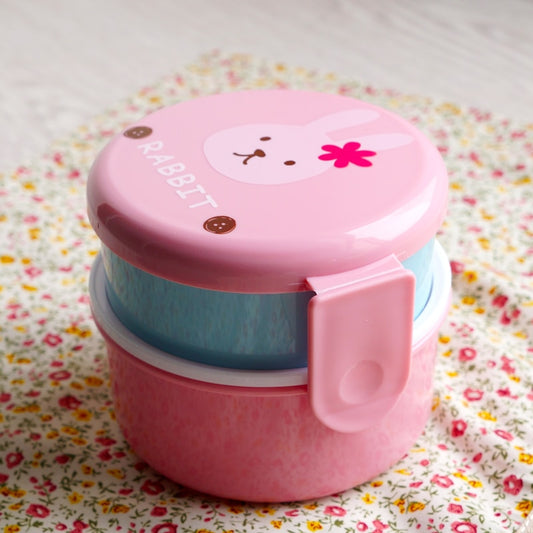
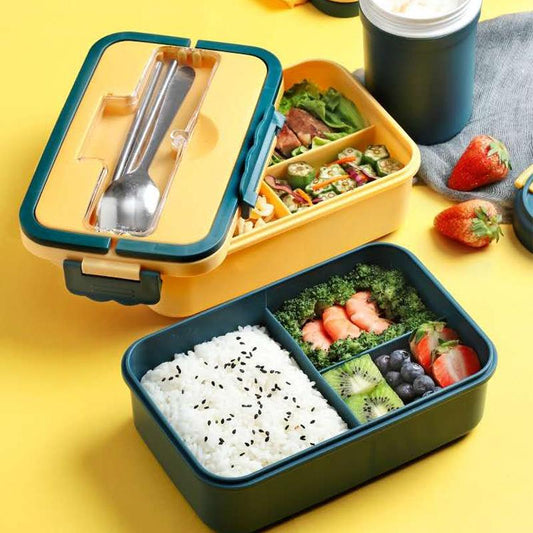
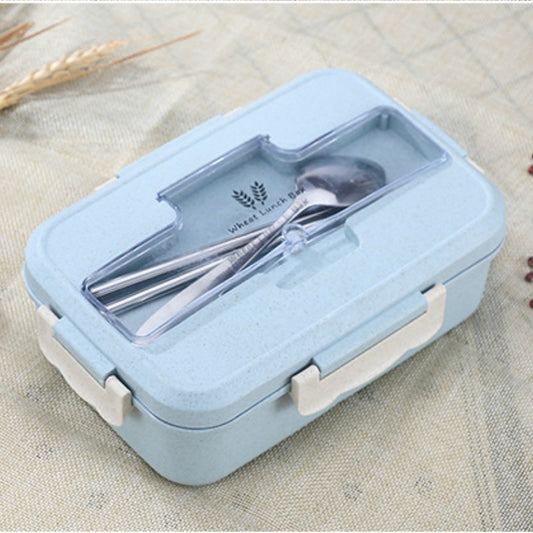
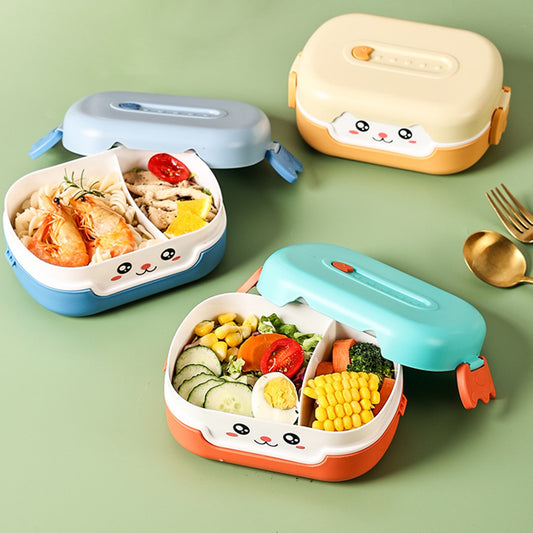
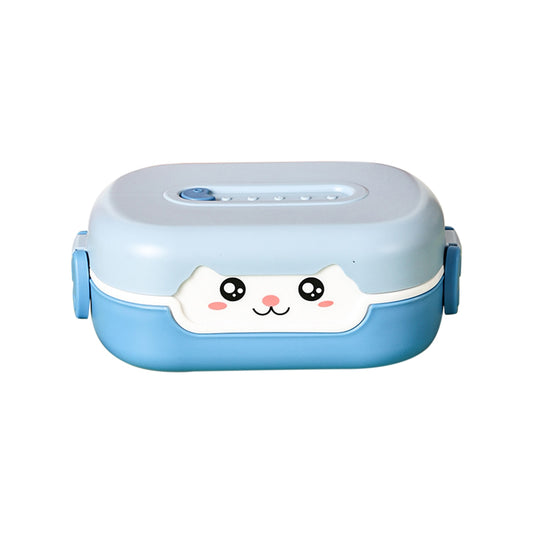
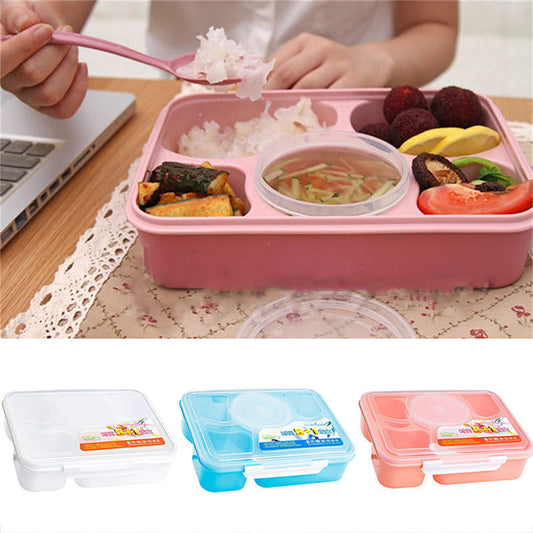
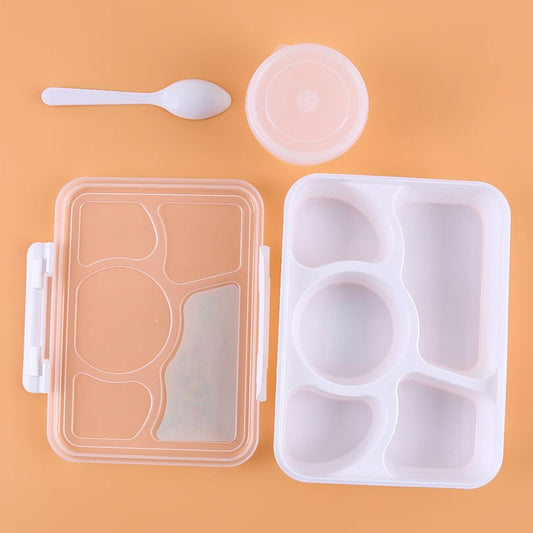
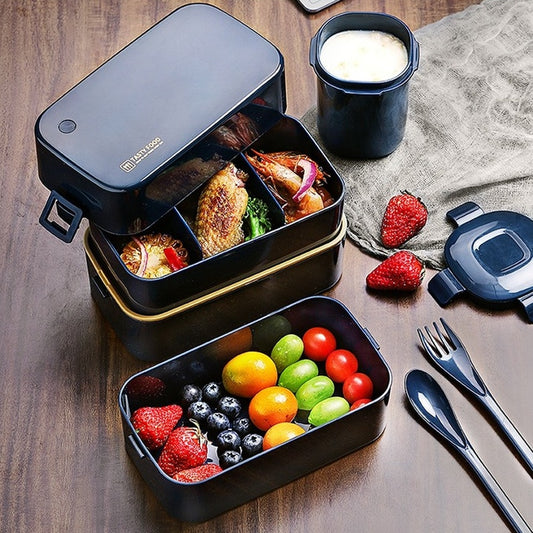
Shop Japanese bento boxes and Japanese-style lunch boxes in single-layer, double-layer, round, compartmented, wooden-look, stainless-steel and modern plastic designs. Bento boxes are useful for packed lunches, snacks, picnics and meal prep, but construction varies widely, so capacity, material, lid design and heating instructions should be checked product by product.
A bento is a Japanese packed meal, but a modern box sold as “Japanese style” should not automatically be treated as handmade in Japan, traditionally lacquered, microwave-safe, leakproof, BPA-free, dishwasher-safe or suitable for every hot food. Those are product-specific facts.
Jump to: what is bento · box types · how to choose · capacity · materials · leak resistance · microwave and hot food · cleaning · FAQs
What Is a Bento Box?
Bento is the Japanese term for a packed meal, commonly arranged in a portable container. A bento can include rice, vegetables, protein, pickles, fruit or other foods depending on the meal and personal preference.
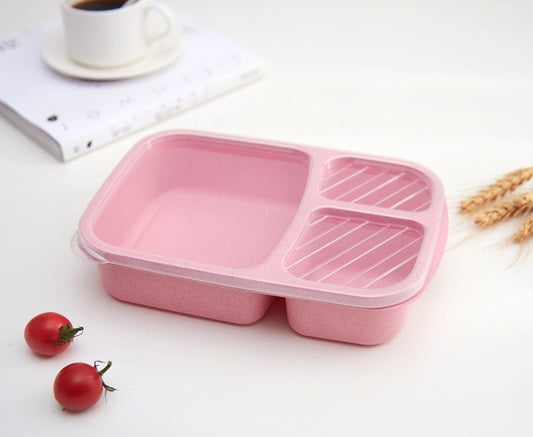
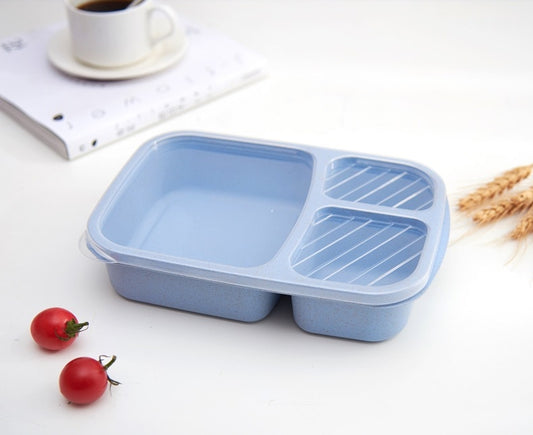
Modern bento boxes range from simple one-layer lunch containers to stacked boxes with removable dividers. The food presentation can be neat and compartmentalized, but there is no requirement that every bento use the same ingredients or arrangement.
Bento Box Types in This Collection
| Type |
What to compare |
| Single-layer box |
Capacity, divider layout, lid seal and bag fit |
| Double- or multi-layer box |
Total capacity, stacking system, separate lids and carrying height |
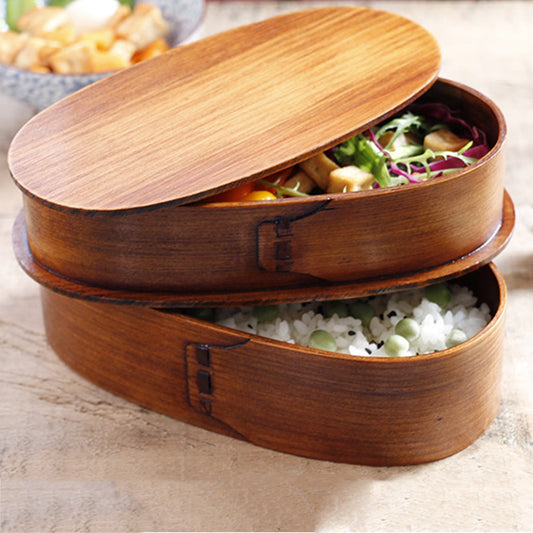
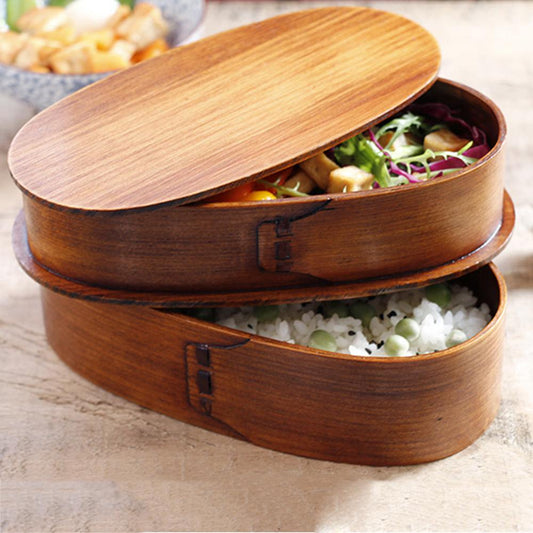
| Wooden or wood-style bento |
Actual material, lining, water resistance and hand-wash requirements |
| Stainless-steel bento |
Steel grade if documented, outer shell, lid material and heating restrictions |
| Snack or compact bento |
Smaller capacity, portion size and whether compartments fit the foods you pack |
How to Choose a Bento Box
-
Start with capacity. Choose a size that matches the amount of food you normally pack.
-
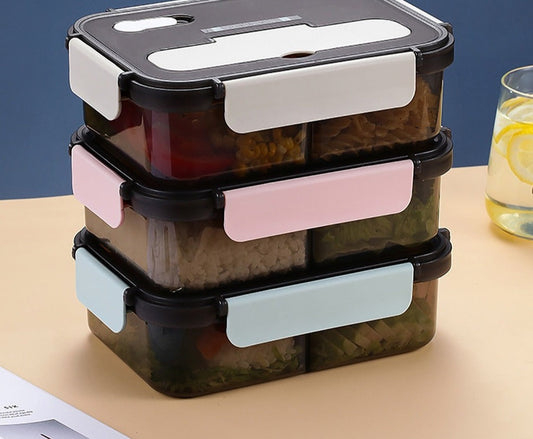
Check the number of layers. More layers can separate foods but make the box taller and heavier.
-
Check the divider layout. Fixed dividers and removable cups offer different flexibility.
-
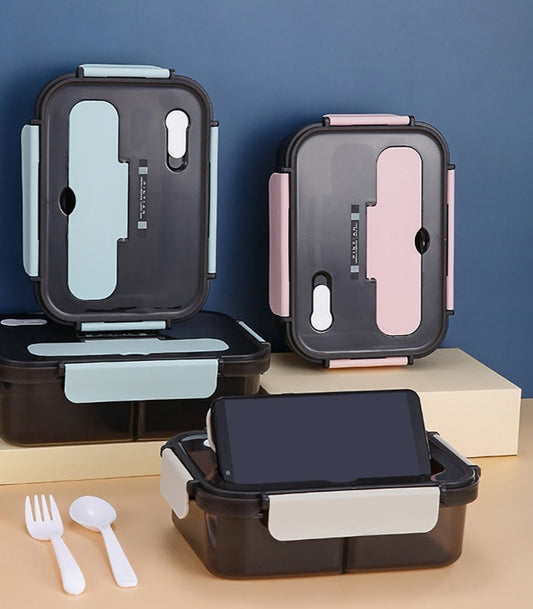
Check the lid system. Clips, seals, elastic bands and separate inner lids behave differently in a bag.
-
Verify the material. Plastic, stainless steel and wood require different heating and cleaning methods.
-
Check utensil storage. Do not assume chopsticks, forks, spoons or sauce containers are included.
-
Measure your lunch bag. Round, tall and stacked boxes may not fit a narrow bag even when capacity is suitable.
Bento Box Capacity and Portion Planning
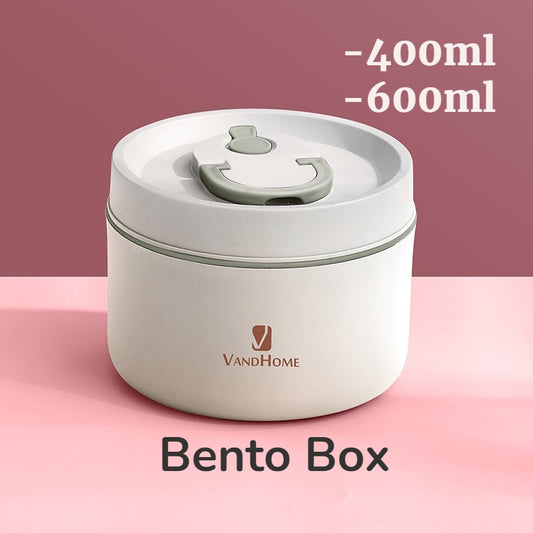
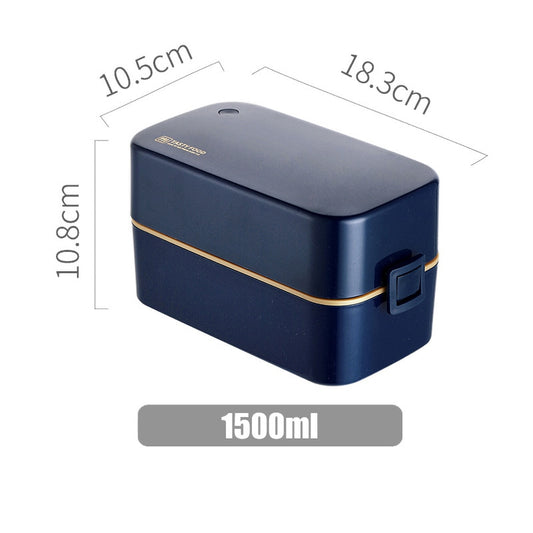
Capacity is more useful than product photography when judging how much food a bento can hold. Check the listed milliliters or internal dimensions for the selected variant.
A larger total capacity does not always mean one large food compartment. Multi-layer boxes divide volume between tiers, and internal dividers reduce usable space for bulky foods.
Buying tip: compare the capacity of the exact variant you select. Different colors or sizes under the same product can have different volumes.
Bento Box Materials
Plastic and Plastic-Composite Boxes
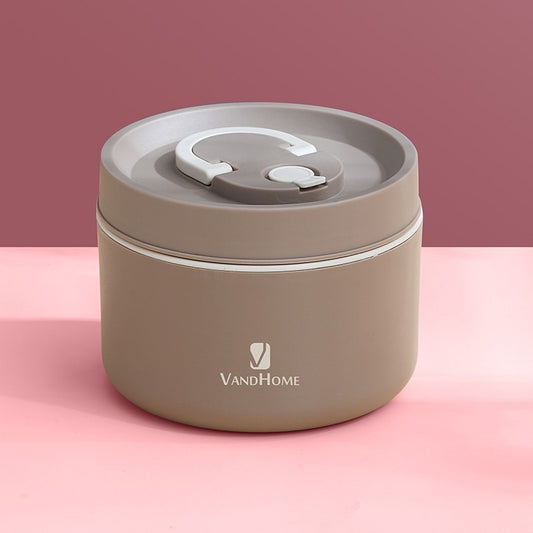
Modern plastic bento boxes can be lightweight and practical, but heat resistance and food-contact specifications vary. Do not assume BPA-free status, microwave suitability or dishwasher safety unless the product page states it.
Stainless Steel
Stainless-steel food containers are durable and easy to wipe clean, but metal sections must not be placed in a microwave. Some products combine a metal inner tray with a plastic outer shell or lid, so separate components may have different care requirements.
Wood and Wood-Look Bento Boxes
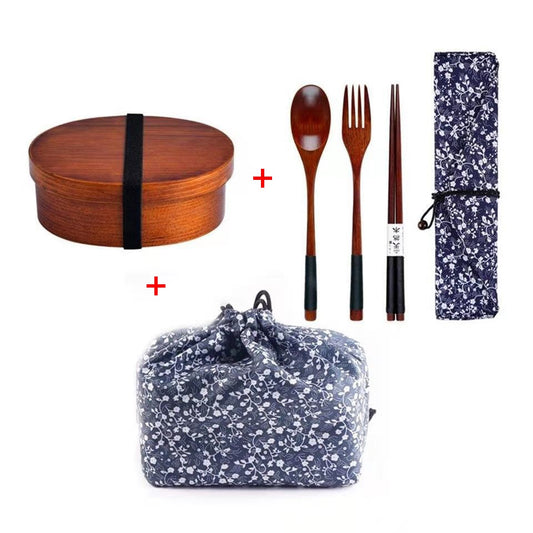
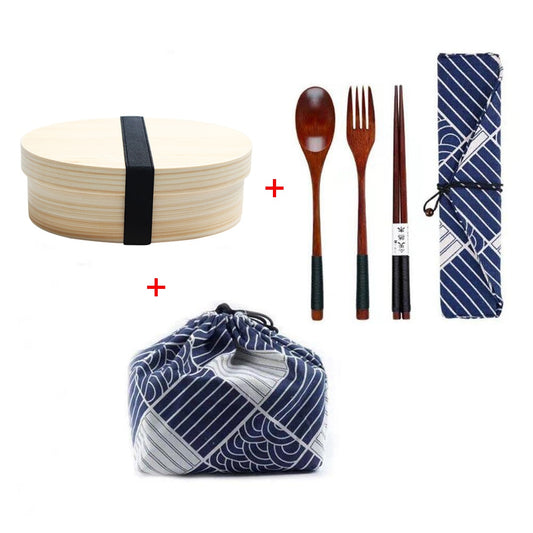
Wooden or wood-style boxes can create a traditional visual effect, but they usually need gentler cleaning and thorough drying. Do not assume lacquer, Japanese cypress, bamboo or Japanese manufacture unless documented.
Are Bento Boxes Leakproof?
Leak resistance depends on the lid, gasket, clips, food type and how the box is carried. A product name containing “leak proof” should not be extended to the entire collection or interpreted as a guarantee for soups and very thin liquids unless the listing specifically supports that use.
- Check for silicone gaskets or inner lids.
- Keep liquid foods below the fill line when one is provided.
- Carry the box upright when possible.
- Test a new box with water at home before trusting it with sauce in a bag.
- Inspect seals for wear and trapped food particles.
Microwave Use, Hot Food and Temperature
Do not microwave a bento box unless the exact product and the specific component are labeled microwave-safe. Stainless-steel parts must never go in a microwave.
Some boxes may require the lid, divider or inner seal to be removed before heating. Follow the product instructions rather than assuming all pieces can be heated together.
For hot food, also check the material’s temperature limits. A reusable lunch box is not automatically an insulated food jar and should not be expected to keep food hot for hours unless it is specifically designed for that purpose.
Food Safety When Packing Bento
- Use clean containers and utensils.
- Cool cooked food appropriately before sealing when your food-safety guidance requires it.
- Keep perishable food at safe temperatures during transport.
- Use an insulated lunch bag and ice pack when needed.
- Do not rely on the bento box alone to control food temperature.
- Discard food that has been held unsafely rather than judging only by smell or appearance.
Are These Traditional Japanese Bento Boxes?
The collection includes Japanese-inspired modern lunch boxes as well as wood and layered styles that reference familiar bento forms. Do not assume handmade Japanese craftsmanship, traditional lacquerware or Japanese manufacture unless the individual listing documents it.
What Affects Bento Box Prices?
Use the live product cards for current pricing because prices and variants can change. Differences can reflect capacity, material, number of layers, lid construction, accessories, finish and packaging.
Bento Box Cleaning and Care
- Follow the exact product’s washing instructions.
- Remove seals and dividers when the design allows so trapped food can be cleaned.
- Dry lids and gaskets fully before closing the box for storage.
- Do not put wooden boxes in a dishwasher unless specifically permitted.
- Do not use abrasive cleaners on printed, coated or lacquer-style finishes.
- Inspect gaskets and locking clips periodically for damage.
Bento Box FAQs
What is a bento box?
A bento box is a portable container used for a Japanese-style packed meal. Modern versions can be single-layer, stacked, divided, wooden, plastic or stainless steel.
Are all bento boxes microwave-safe?
No. Check the exact product and component. Metal parts must never be microwaved.
Are bento boxes leakproof?
Leak resistance varies by lid and seal. Check the exact product and be especially careful with soups and thin sauces.
Do bento boxes come with chopsticks?
Not always. Check the product listing for included utensils and accessories.
Are wooden bento boxes dishwasher-safe?
Do not assume so. Many wood products require hand washing and careful drying. Follow the exact care instructions.
Are these bento boxes made in Japan?
Do not assume Japanese manufacture from the collection name. Check each product page for origin information.
Shop Bento Boxes
Compare lunch boxes by capacity, layers, compartment layout, material, lid seal, microwave restrictions, cleaning method and included accessories. For utensils and related lunch accessories, browse Japanese Bento & Sushi Accessories and Japanese Chopsticks.