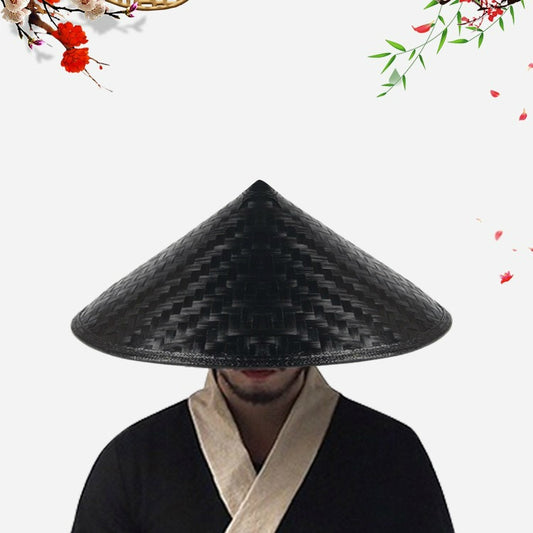
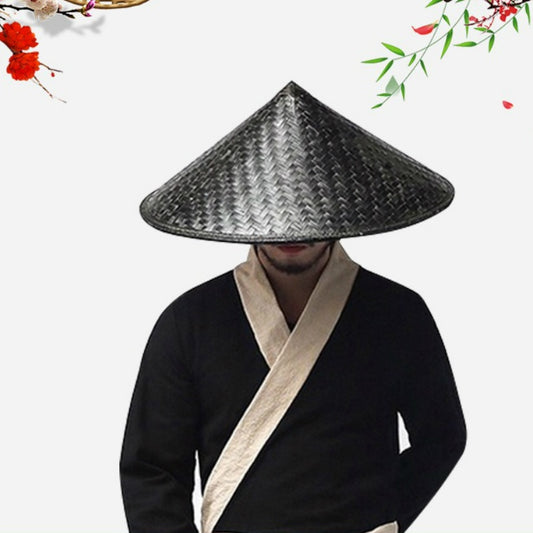
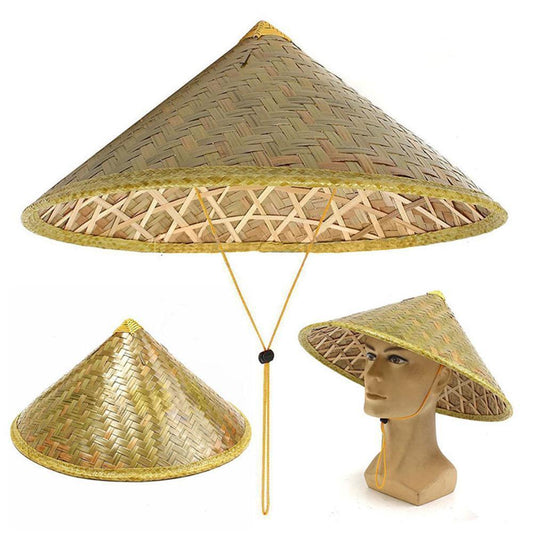
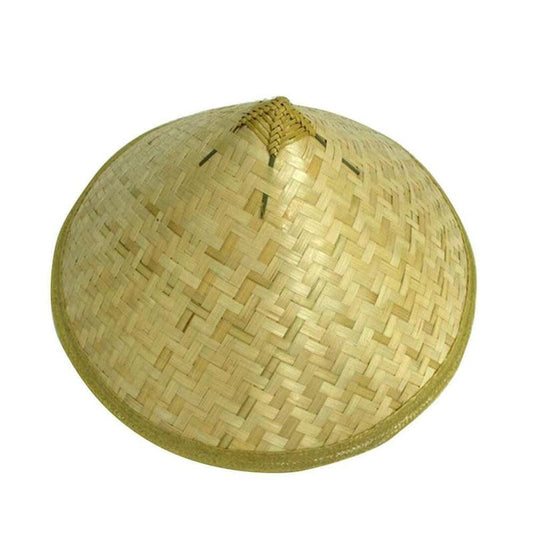
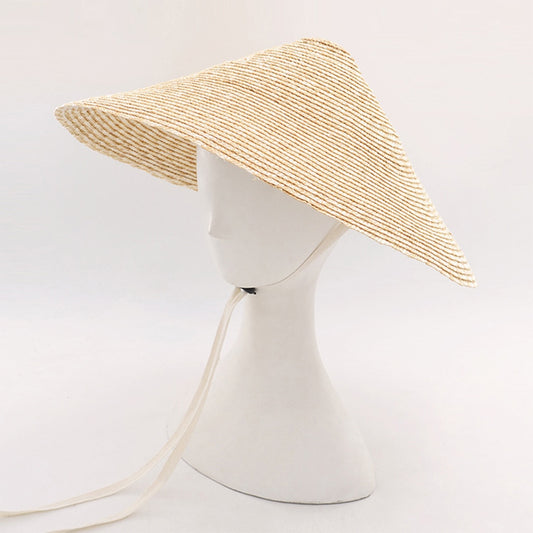
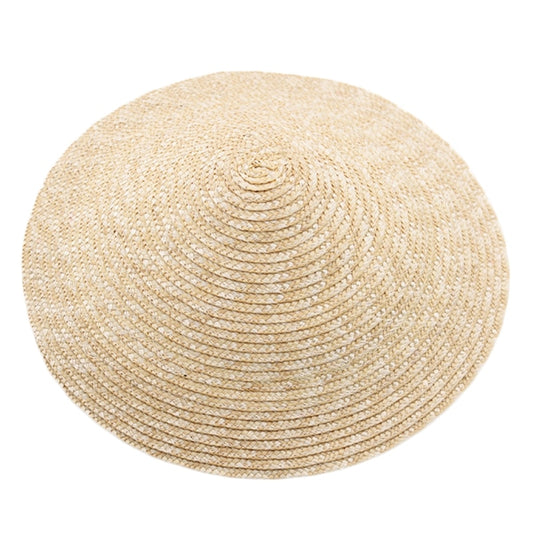
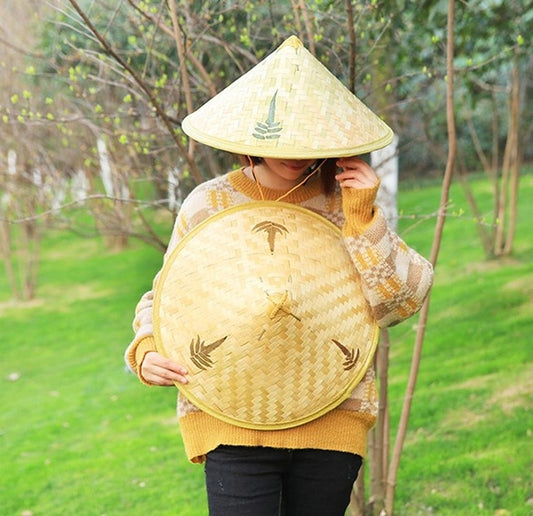
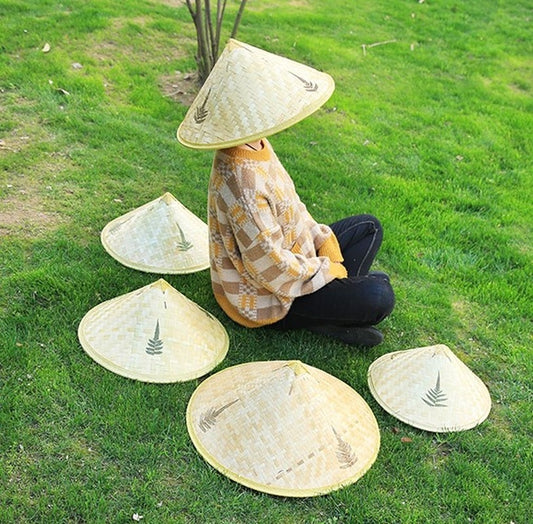
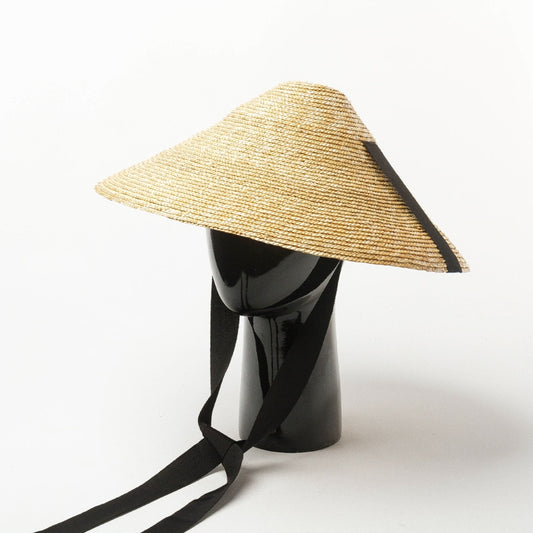
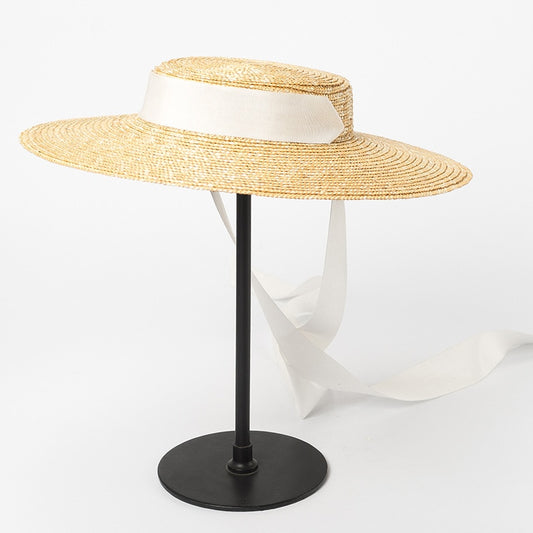
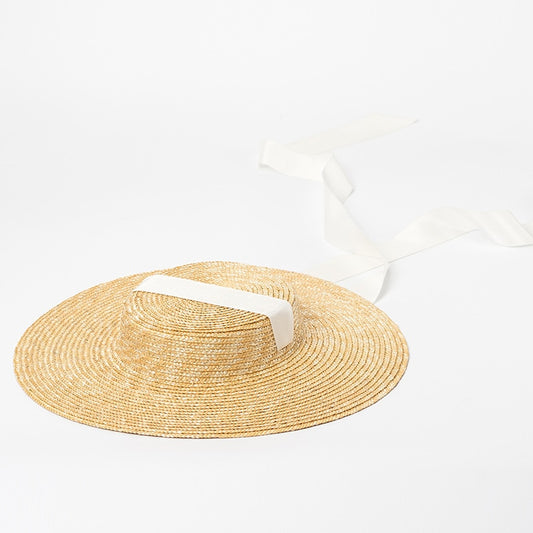
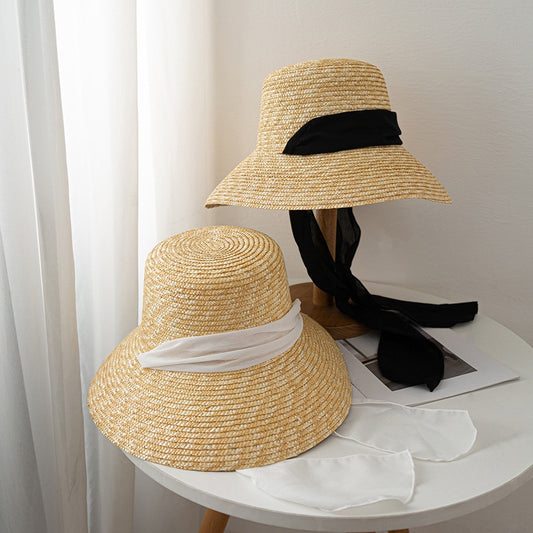
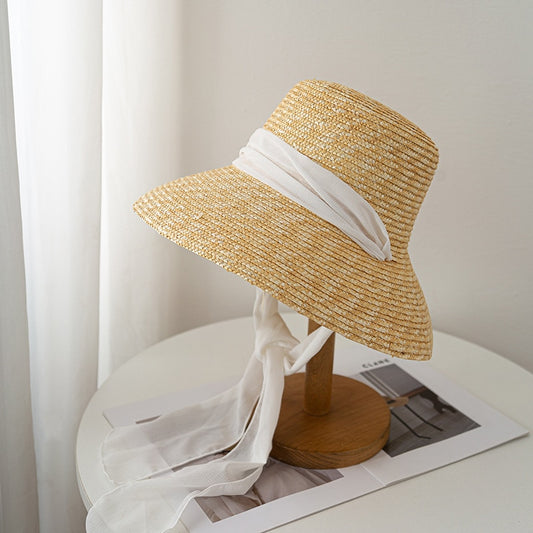
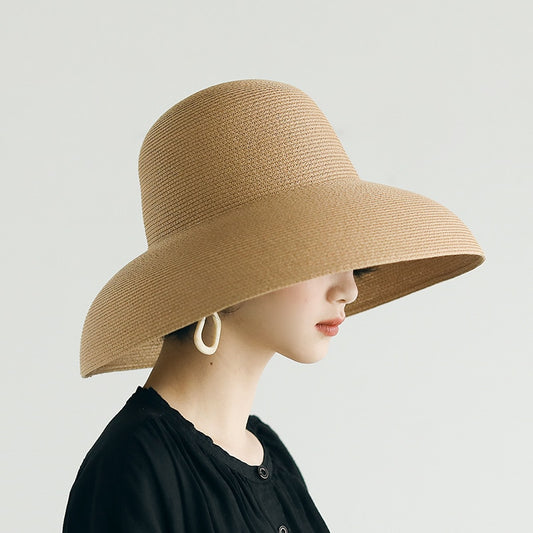
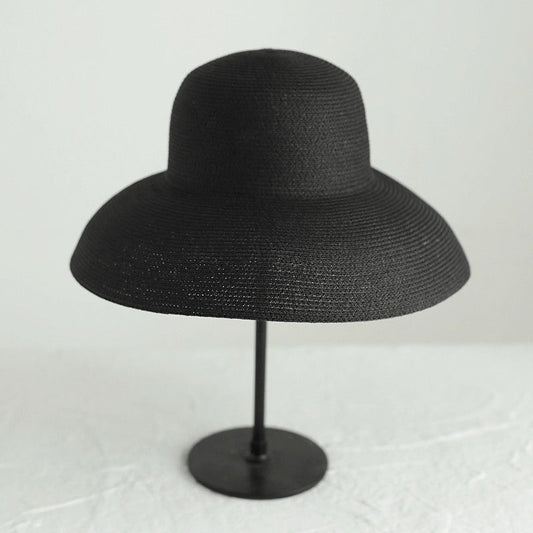
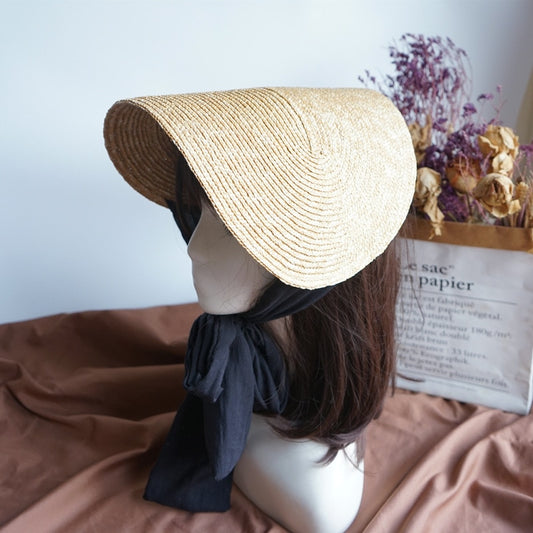
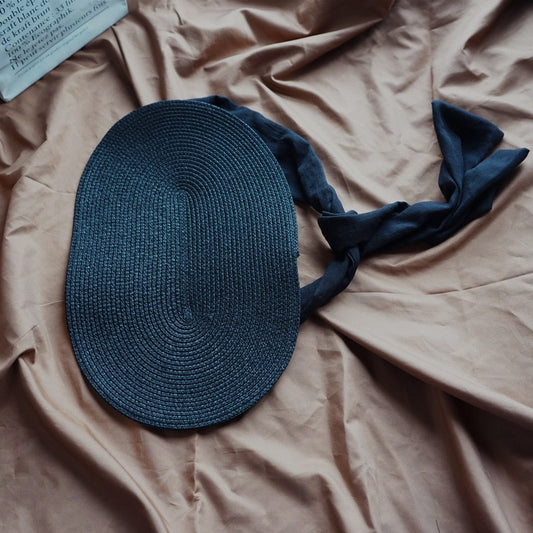
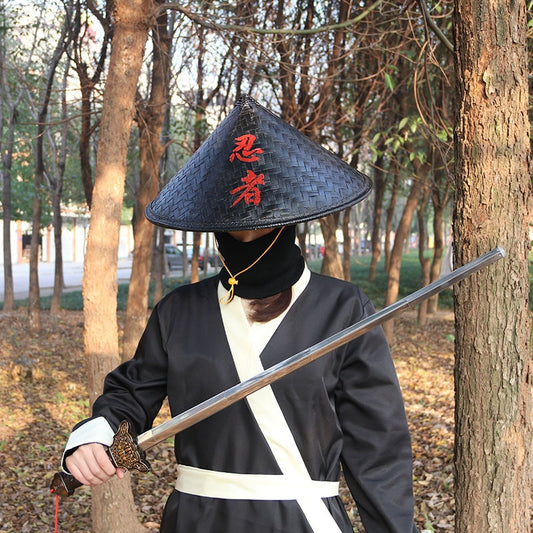
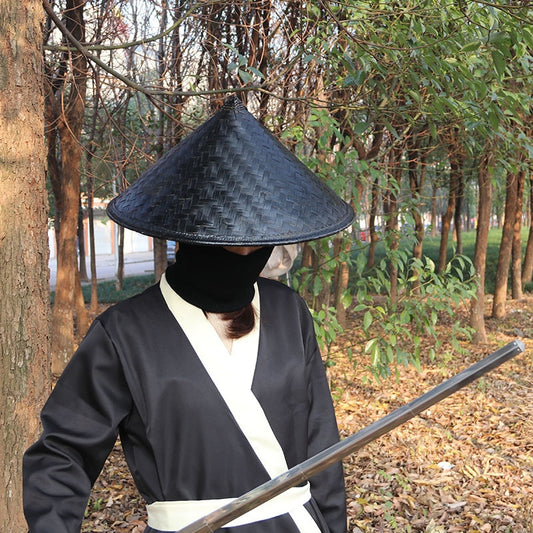
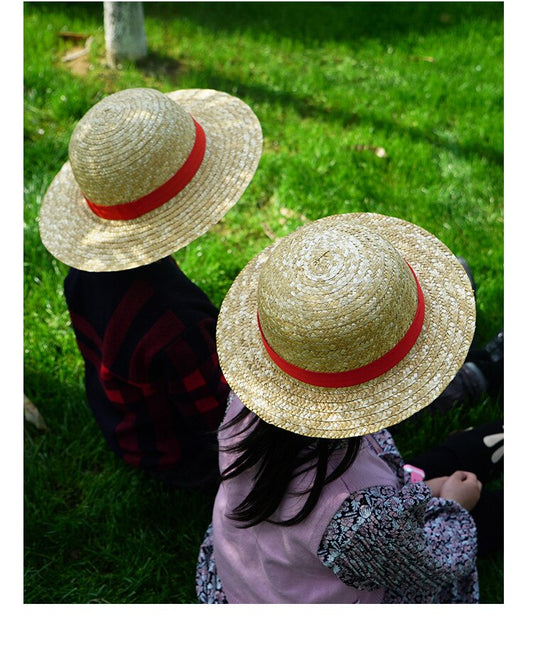
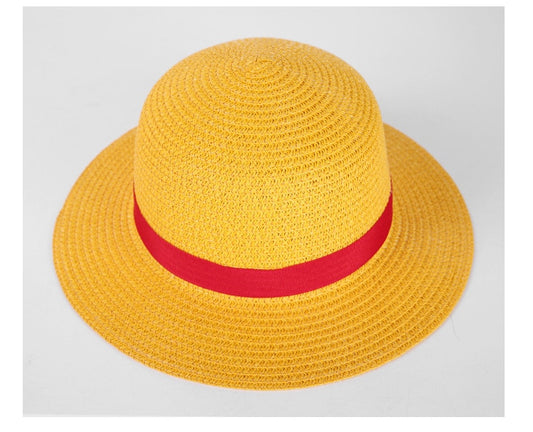
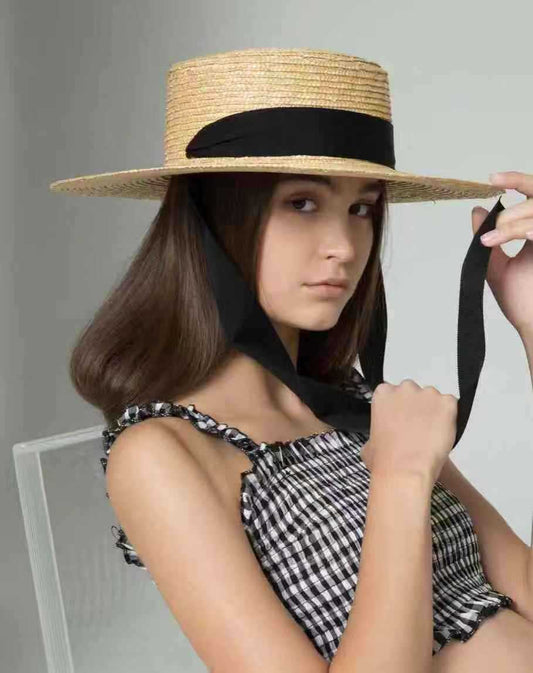
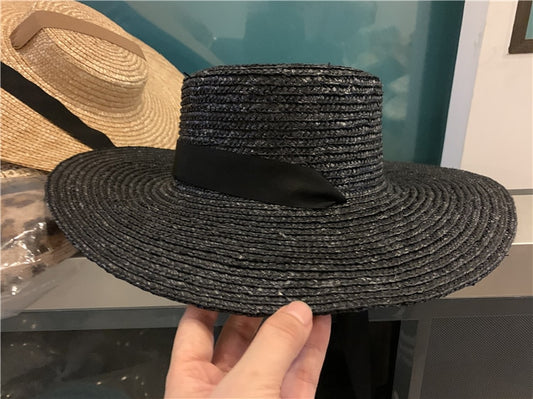
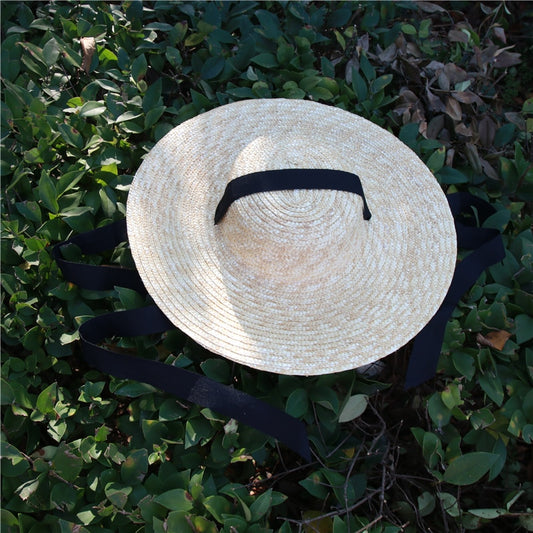
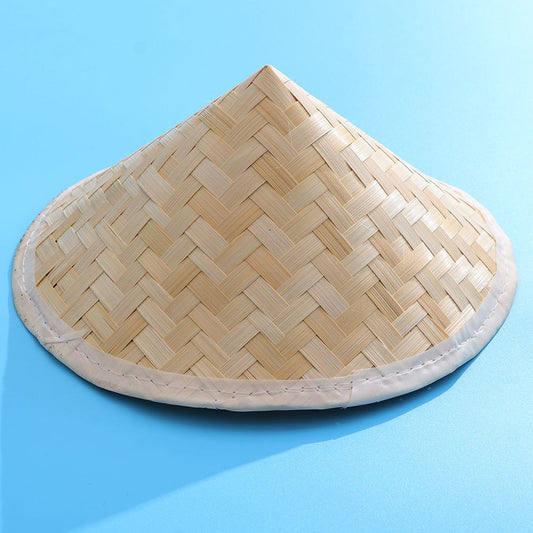
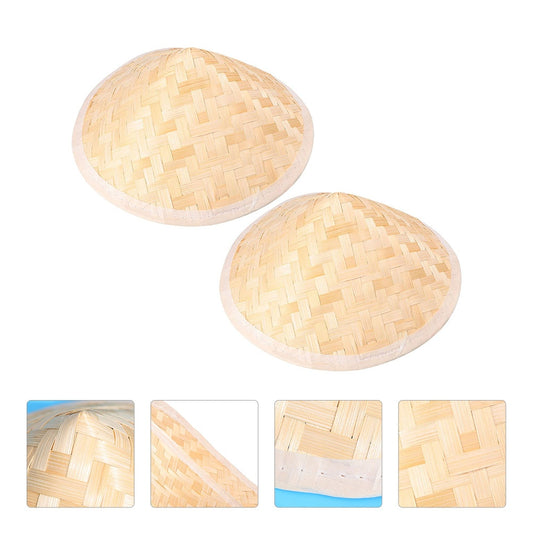
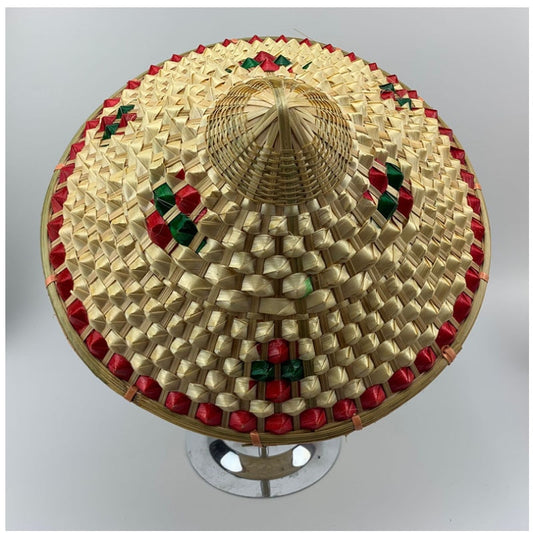
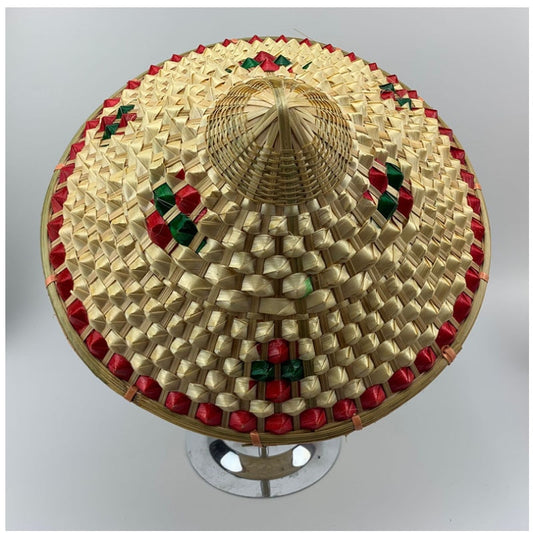
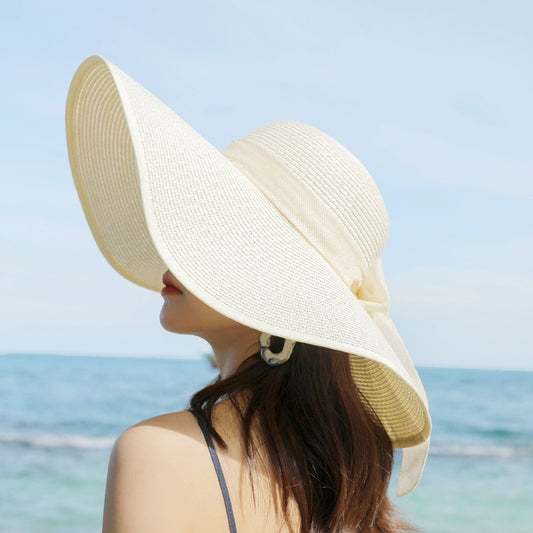
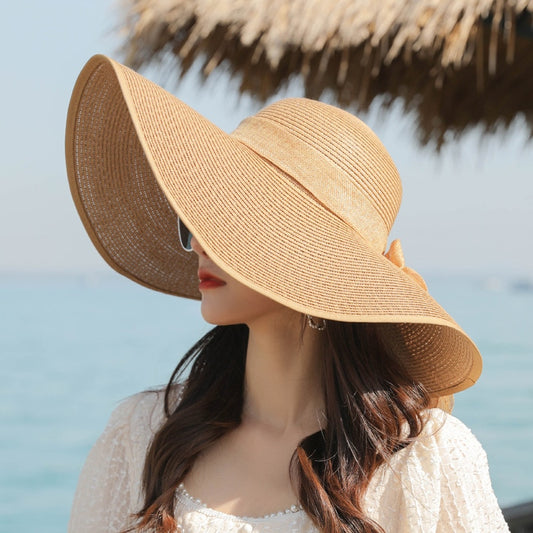
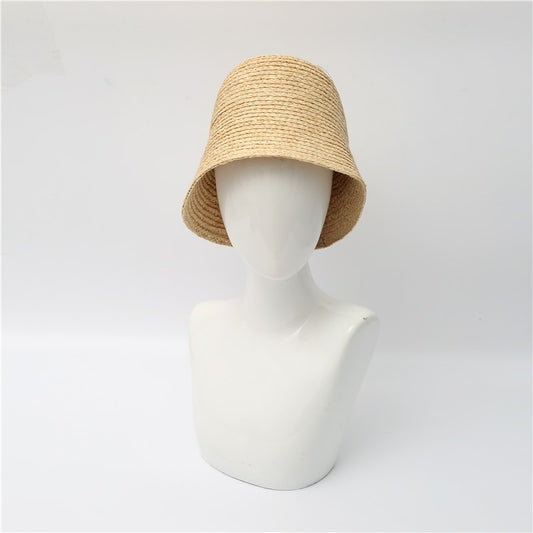
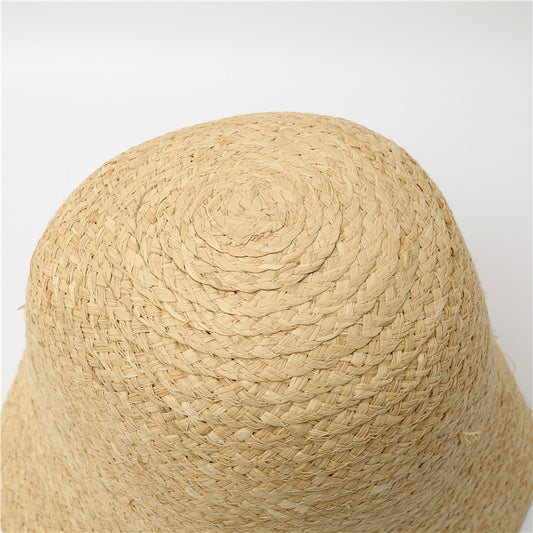
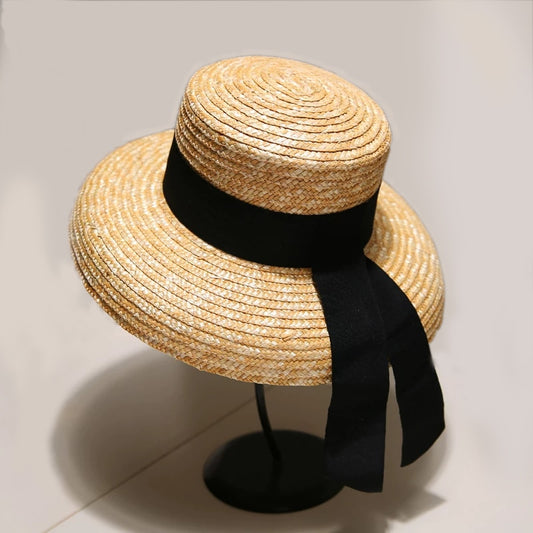
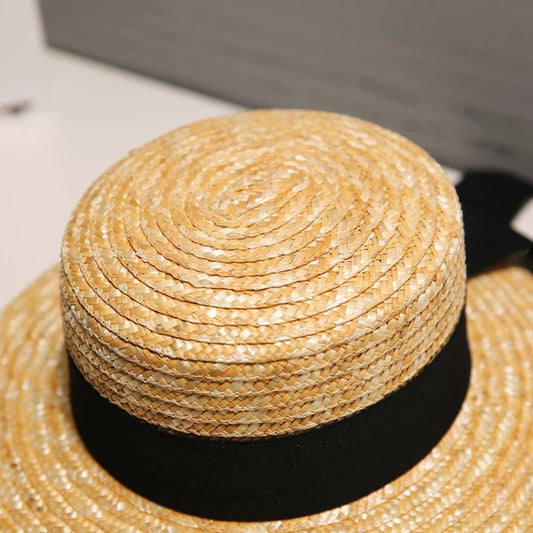
Shop Japanese straw hats in conical, wide-brim, bucket, woven, bamboo-inspired and traditional-style silhouettes. This collection includes modern fashion hats and Japanese-inspired headwear for casual outfits, festivals, cosplay, photography and outdoor styling.
Materials, brim width, crown shape, ties and sizing vary by product. Do not assume every hat is handmade in Japan, artisan-produced, UV-rated or built with the same type of straw or bamboo. Use the individual product page for exact construction and current variants.
Jump to: styles · how to choose · fit · sun use · traditional vs modern · styling · care · FAQs
Japanese Straw Hat Styles
| Style |
What to compare |
| Conical hats |
Crown angle, brim width, tie system and rigidity |
| Wide-brim hats |
Brim coverage, crown depth and packability |
| Bucket and bowl shapes |
Softness, brim drop and casual styling |
| Ribbon and fashion styles |
Trim, color, crown shape and outfit compatibility |
| Traditional-inspired woven hats |
Actual weave, support structure, ties and documented cultural styling |
How to Choose a Japanese Straw Hat
-
Choose the shape first. Conical, bucket, wide-brim and bowl hats frame the face differently and suit different outfits.
-
Check the exact material. Product names may mention straw, bamboo, wheat or woven fibers, but the listing should be the source of truth.
-
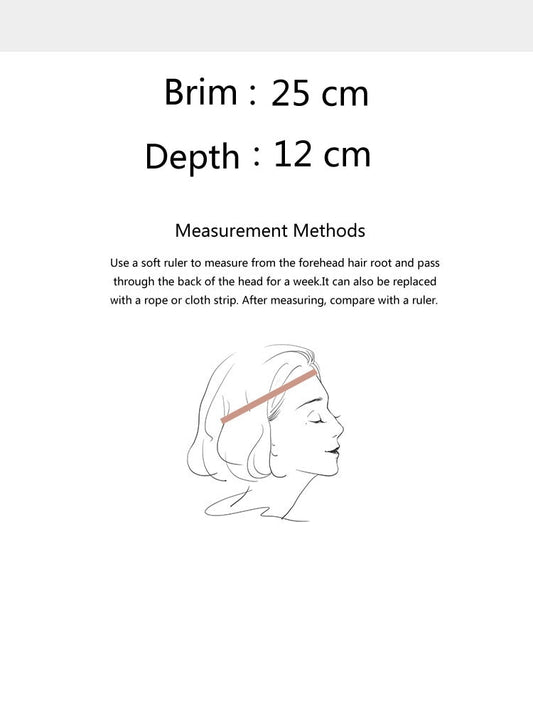
Measure your head. Crown circumference and depth matter more than assuming one-size-fits-all.
-
Check the retention system. Ties, chin cords and internal bands affect how securely the hat stays on.
-
Consider where you will wear it. A hat chosen for cosplay or photography may have different priorities from one chosen for long outdoor use.
-
Do not buy for UV protection unless it is documented. Shade from a brim is not the same as a tested UPF rating.
Japanese Straw Hat Fit
A straw or woven hat should sit securely without creating uncomfortable pressure around the forehead. If a listing provides head circumference, compare it with your measurement taken around the widest part of the head where the hat will sit.
Conical and tie-secured hats may fit differently from standard crown-based hats. For those designs, check the internal support, chin tie and overall diameter rather than relying only on a conventional hat-size number.
Fit tip: measure before ordering and use the exact product dimensions. Do not assume “adult,” “unisex” or “one size” means the same fit across every hat.
Do Japanese Straw Hats Protect From the Sun?
A brim can provide physical shade to parts of the face and head, but this collection does not make a universal UV-protection claim. The amount of shade depends on brim width, weave density, angle and how the hat is worn.
Do not treat these hats as certified sun-protective equipment unless the exact listing provides a tested UPF or equivalent rating. For strong sun exposure, use appropriate sun-protection measures in addition to clothing or hats.
Traditional Japanese Straw Hats vs Modern Fashion Hats
Japan has a long history of woven and conical headwear, but modern retail terms such as “samurai hat,” “ronin hat,” “rice hat” or “Japanese straw hat” can be used broadly. A product name alone does not prove that the hat is a historical reproduction, made in Japan or constructed with a traditional regional technique.
This collection is best understood as a mix of Japanese-inspired woven hats, conical hats and modern straw fashion hats. If historical accuracy matters for reenactment or cultural study, rely on documented construction rather than a retail-style title.
Conical Japanese-Inspired Hats
Conical hats create a distinctive silhouette and can work for festival, costume, photography and Japanese-inspired styling. Compare diameter, crown angle, tie placement and rigidity before buying.
A conical shape is not exclusive to Japan. Similar broad hat forms exist across multiple Asian cultures, so avoid using one generic conical design as proof of a specific historical Japanese origin.
Straw, Bamboo and Woven Materials
Woven hats can use natural or synthetic materials, and product titles may not always tell the full construction story. Check the exact listing for fiber or material details.
Natural fibers can vary in color, texture and flexibility. Synthetic woven materials may behave differently around moisture and heat. Do not assume every hat is handmade, biodegradable, waterproof or equally breathable.
How to Style a Japanese Straw Hat
Kimono-Inspired Outfits
For festival or traditional-inspired styling, pair a simple woven or conical hat with pieces from the Japanese Kimono collection. Keep the silhouette coordinated rather than assuming every straw hat is historically correct with every kimono.
Streetwear and Casual Looks
Modern bucket, bowl and wide-brim straw hats can be paired with Japanese T-Shirts or Japanese Pants for a contemporary Japanese-inspired outfit.
Cosplay and Photography
For costume or photography use, prioritize silhouette, color and stability. If the hat will be worn for hours, fit and tie comfort matter as much as visual accuracy.
Are These Hats Handmade in Japan?
Do not assume handmade production, Japanese manufacture or traditional artisan techniques from the collection name alone. Those claims should only be made when the exact product listing documents them.
What Affects Japanese Straw Hat Prices?
Use the live product card for current pricing because prices and variants can change. Differences can reflect material, size, weave, trim, support structure and current promotion.
Japanese Straw Hat Care
- Keep woven hats dry unless the product instructions specifically allow wet cleaning.
- Brush or wipe loose dust gently instead of soaking the hat.
- Avoid crushing rigid crowns and brims under heavy objects.
- Dry naturally away from strong direct heat if the hat becomes damp.
- Store wide-brim and conical hats with enough space to preserve their shape.
Japanese Straw Hat FAQs
What styles of Japanese straw hats are available?
The collection includes conical, wide-brim, bucket, bowl, ribbon-trimmed and traditional-inspired woven styles.
Do these hats provide UV protection?
A brim can provide shade, but do not assume a tested UV or UPF rating unless the exact product listing documents one.
Are the hats handmade in Japan?
Do not assume handmade production or Japanese manufacture from the collection name. Check the exact listing for origin and production details.
How should a straw hat fit?
Use head circumference, crown dimensions and any tie or internal support measurements provided on the product page.
Can I wear one with a kimono?
Yes for modern or traditional-inspired styling, but not every retail straw hat is historically appropriate for every kimono or occasion.
How should I clean a woven straw hat?
Follow the exact product instructions. In general, avoid soaking rigid woven hats and protect the crown and brim from crushing.
Shop Japanese Straw Hats
Compare hats by shape, head size, brim width, material, tie system and intended use. For matching clothing, browse Japanese Kimono or Japanese T-Shirts.