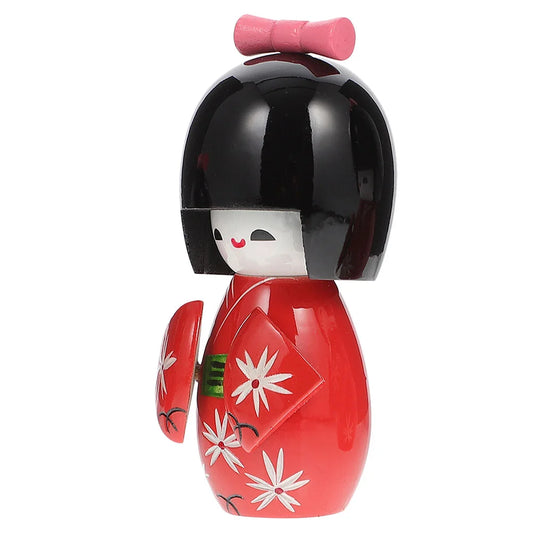
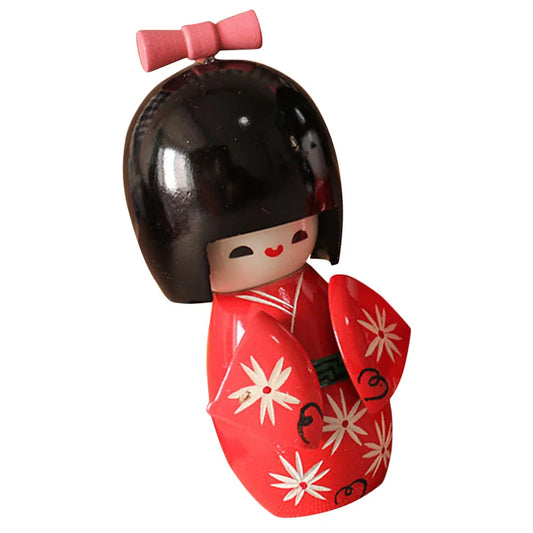
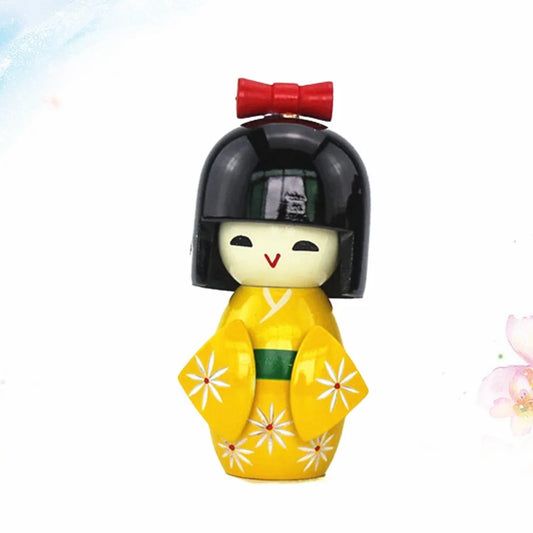
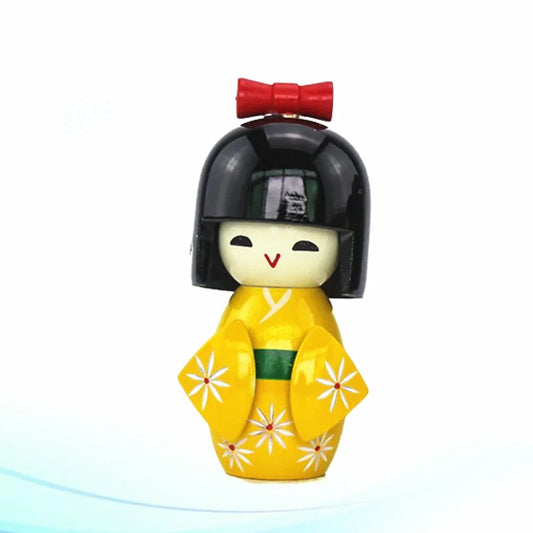
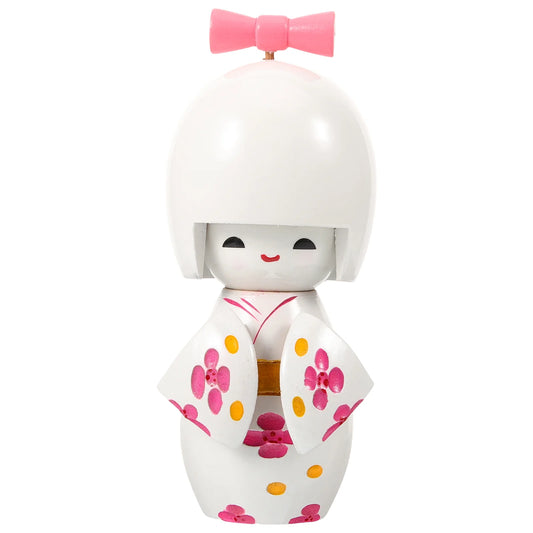
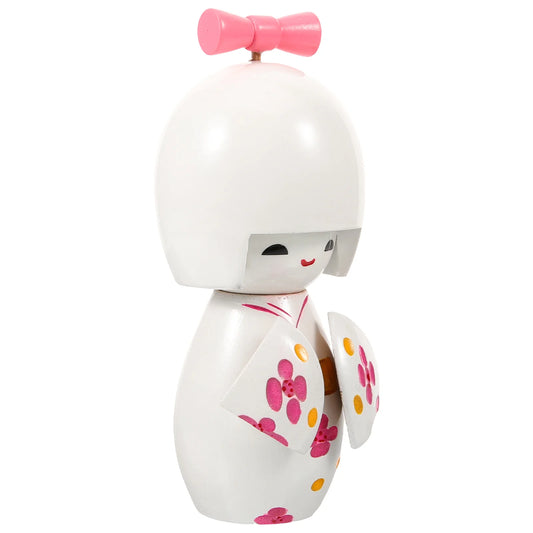
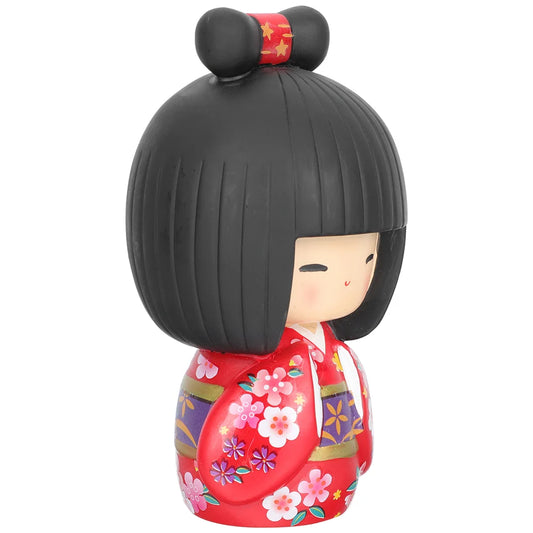
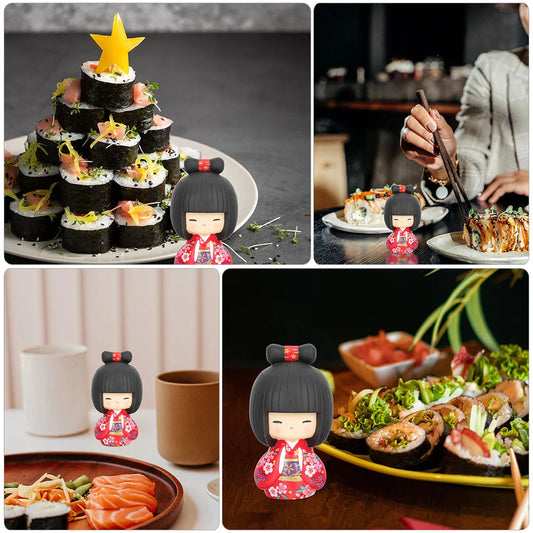
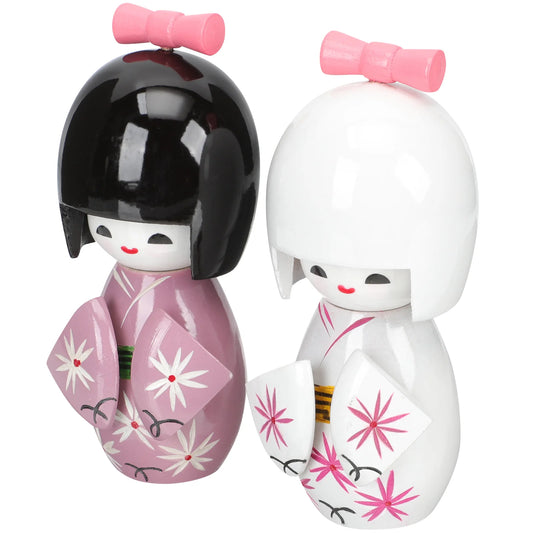
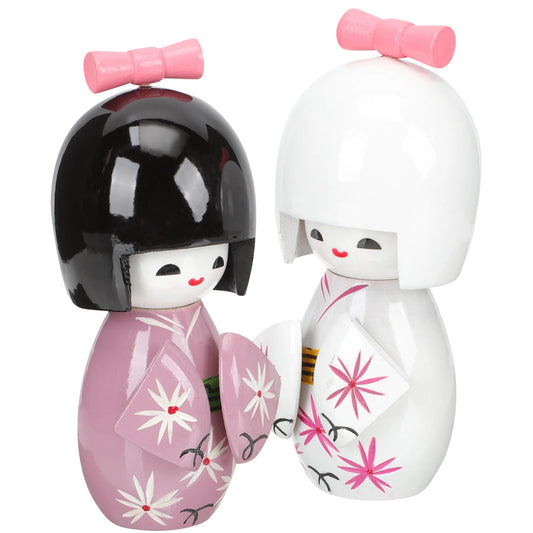
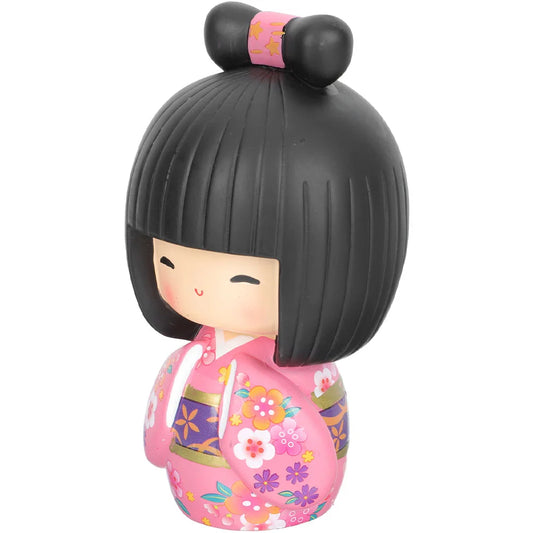
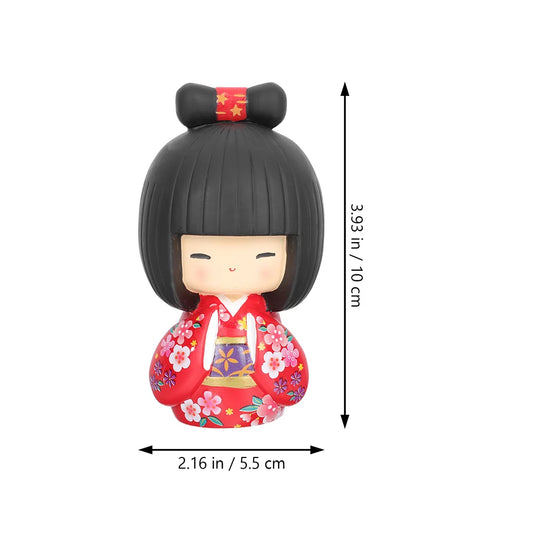
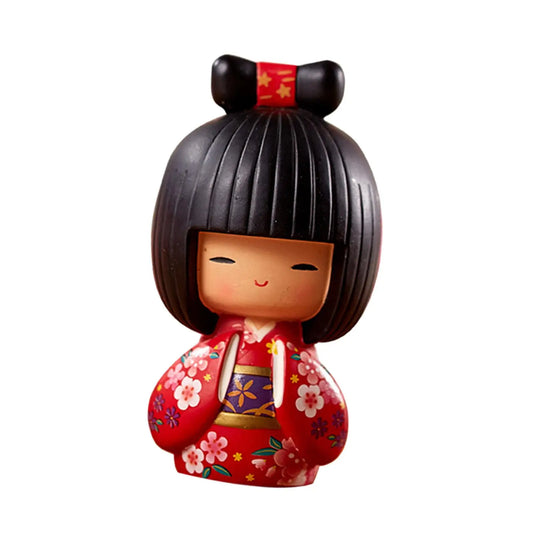
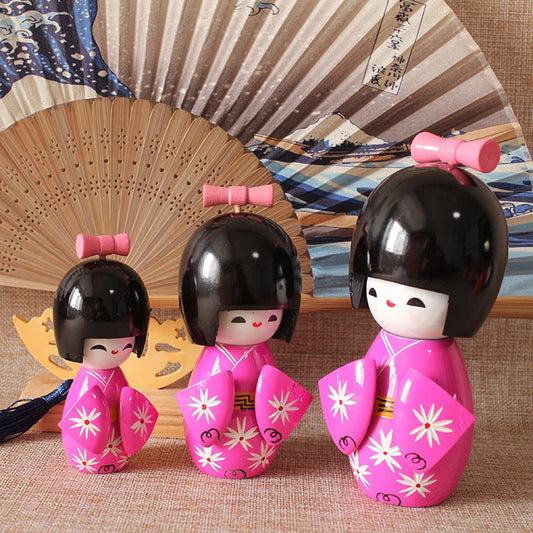
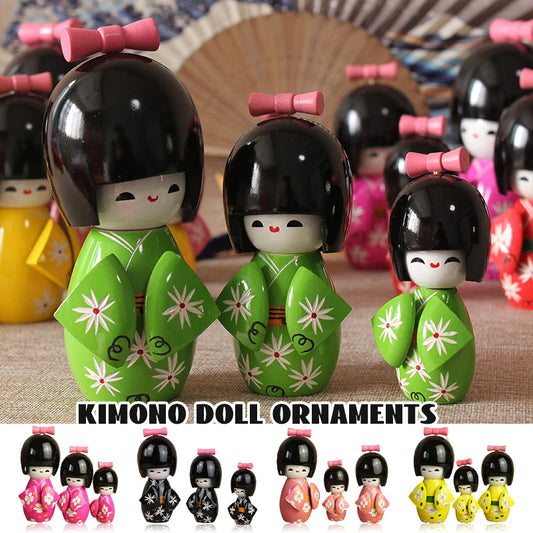
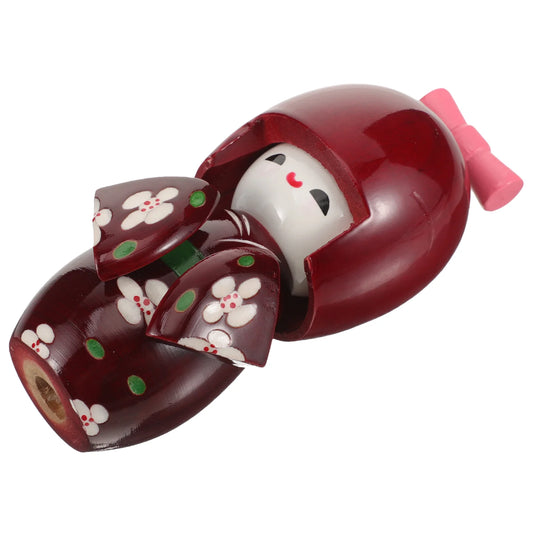
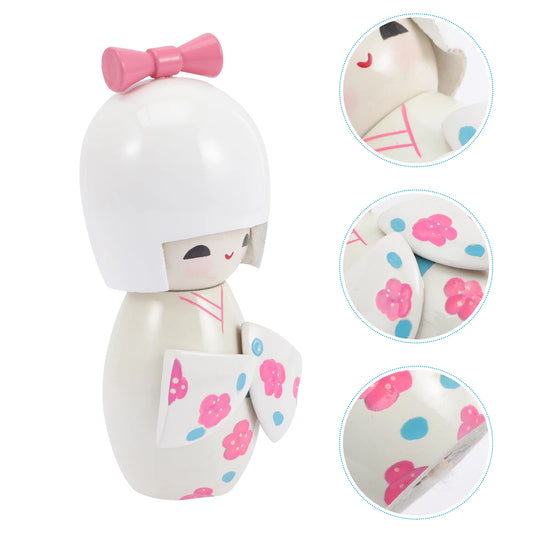
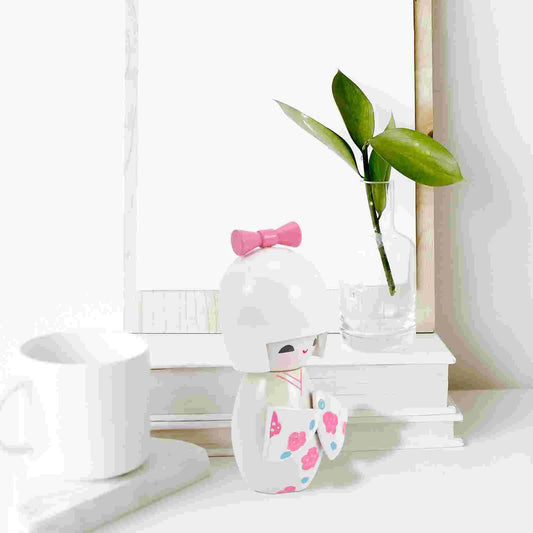
Shop Japanese Kokeshi dolls and Kokeshi-inspired decorative figures in red, white, yellow, pink, kimono-style and multi-piece designs. Traditional Kokeshi are Japanese wooden dolls associated especially with the Tohoku region, while modern retail products can reinterpret the recognizable simplified silhouette in different materials and styles.
Material, size, origin, paint method and construction vary by product. Do not assume every item in this collection is handmade in Japan, lathe-turned wood, artisan-signed, limited edition or a traditional regional Kokeshi unless the exact listing documents it.
Jump to: what is Kokeshi · traditional vs modern · how to choose · size · designs · display · care · FAQs
What Is a Kokeshi Doll?
Kokeshi are Japanese dolls strongly associated with the Tohoku region of northern Japan. Traditional forms are made from wood, shaped on a lathe and decorated with painted faces and body patterns.
Their shapes and painted designs vary by regional tradition. Modern Kokeshi and Kokeshi-inspired décor can depart from those older forms with new proportions, colors, clothing details and materials.
Traditional Kokeshi vs Modern Kokeshi-Inspired Dolls
| Feature |
Traditional Kokeshi |
Modern Kokeshi-inspired décor |
| Material |
Wood |
Can vary by product |
| Construction |
Traditionally lathe-turned and painted |
May use molded, carved or other manufacturing methods |
| Design |
Regional forms and painted conventions |
Broader colors, kimono motifs and decorative interpretations |
| Origin claim |
Linked to Japanese craft traditions |
Must be verified product by product |
This distinction matters because a doll can visually resemble Kokeshi without being a traditional craft piece from a specific Japanese workshop or region.
How to Choose a Japanese Kokeshi Doll
-
Check the material first. If you specifically want wooden Kokeshi, verify that the listing states wood.
-
Check the dimensions. Small figures suit desks or grouped shelves, while taller dolls need more vertical clearance.
-
Look at the silhouette. Some designs are very simple and cylindrical, while others add kimono-like shaping or decorative bases.
-
Check whether you are buying one doll or a set. Multi-piece products can create a stronger grouped display.
-
Inspect the paint and finish. Matte, glossy, hand-painted-looking and printed surfaces require different care.
-
Verify provenance separately. A Japanese name or Kokeshi shape does not prove Japanese manufacture.
Kokeshi Doll Size and Placement
Kokeshi-style products can range from small ornaments to taller display figures. Compare height, width and base diameter before ordering, particularly for narrow shelves or display cabinets.
Display tip: use the actual product measurements rather than judging size from close-up photography.
Kokeshi Designs and Colors
Traditional Kokeshi designs vary by region, with differences in body shape, head construction and painted motifs. Modern Kokeshi-inspired products often expand the palette with bright colors, kimono styling and decorative themes.
Do not assume every color or flower pattern carries one fixed symbolic meaning. Unless the maker documents a specific interpretation, choose primarily by design, display space and personal preference.
Are Kokeshi Dolls Toys or Decorations?
Kokeshi have historical connections with children’s toys and souvenirs, but many modern examples are now purchased as folk-art objects, collectibles or décor.
For any current product, do not assume it is child-safe simply because it is called a doll. Small parts, painted surfaces, breakable materials and product-specific age guidance should be checked before giving one to a child.
How to Display Japanese Kokeshi Dolls
Single Statement Doll
A taller or visually detailed Kokeshi-style figure can work as a single focal point on a shelf or console.
Grouped Collection
Combine different heights and colors while leaving enough space between dolls for each silhouette to remain visible.
With Other Japanese Figurines
Kokeshi-style dolls can sit alongside Japanese Daruma Dolls or pieces from the broader Japanese Figurines collection. Keep their cultural identities distinct rather than treating them as the same tradition.
Gift Display
Kokeshi can make attractive gifts for people interested in Japanese craft, dolls or minimalist décor. If the recipient values traditional craftsmanship, verify material, maker and origin before buying.
Are These Kokeshi Dolls Handmade in Japan?
Do not assume handmade Japanese production from the collection title. Traditional artisan Kokeshi are real Japanese craft objects, but modern retail products should only be described as handmade, signed or Japan-made when the individual listing provides evidence.
What Affects Kokeshi Doll Prices?
Use the live product card for current pricing because prices and variants can change. Differences can reflect material, size, finish, number of pieces, decorative complexity and documented craftsmanship.
Kokeshi Doll Care
- Dust the doll gently with a soft dry cloth.
- Avoid soaking wood or unknown materials.
- Keep painted surfaces away from abrasive cleaners.
- Limit prolonged direct sunlight if you want to reduce fading risk.
- Store fragile figures on stable surfaces away from edges.
- Use product-specific care instructions whenever available.
Japanese Kokeshi Dolls FAQs
What is a traditional Kokeshi doll?
Traditional Kokeshi are Japanese wooden dolls associated especially with Tohoku, shaped on a lathe and decorated with painted features and patterns.
Are all Kokeshi dolls made from wood?
Traditional Kokeshi are wooden, but modern Kokeshi-inspired retail products can use other materials. Check the exact listing.
Are Kokeshi dolls from Tohoku?
Traditional Kokeshi are strongly associated with the Tohoku region of northern Japan and developed in regional craft traditions there.
Do Kokeshi colors have fixed meanings?
Not as one universal retail system. Regional and maker-specific designs vary, so avoid relying on generic color charts.
Are these Kokeshi dolls handmade in Japan?
Do not assume that from the collection name. Check the exact product for material, maker and origin information.
How should I clean a Kokeshi doll?
A soft dry cloth is a safe general starting point. Avoid soaking wood or using abrasive cleaners on painted surfaces.
Shop Japanese Kokeshi Dolls
Compare dolls by material, size, silhouette, paint or finish, number of pieces, maker information and intended display. For more Japanese decorative figures, browse Japanese Figurines.