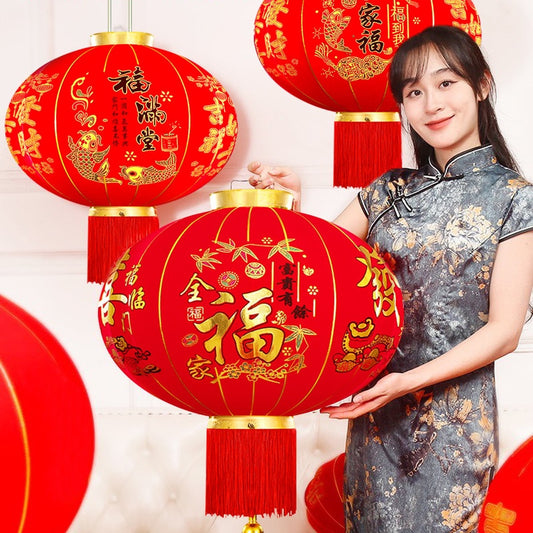
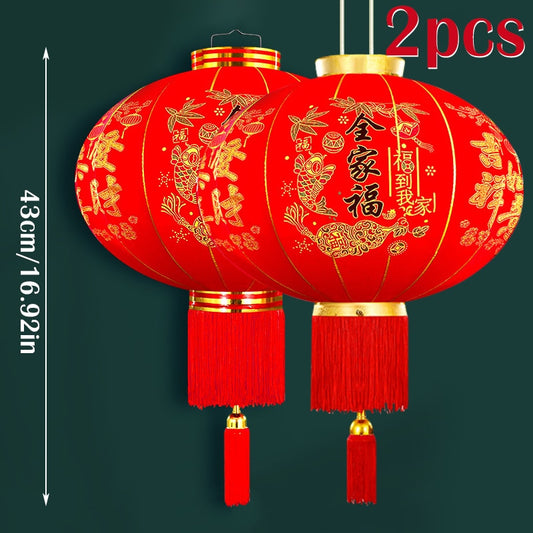
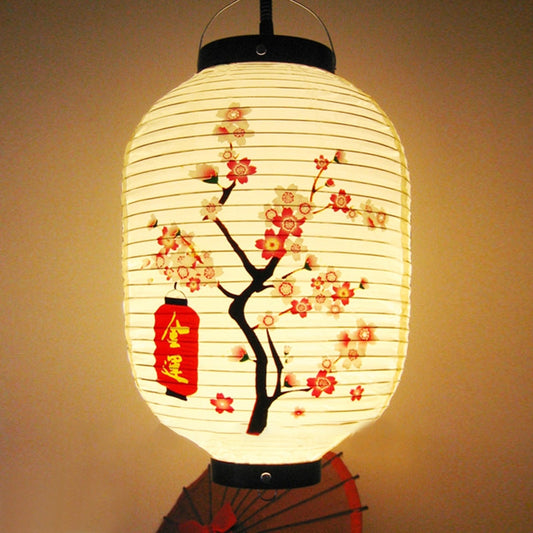
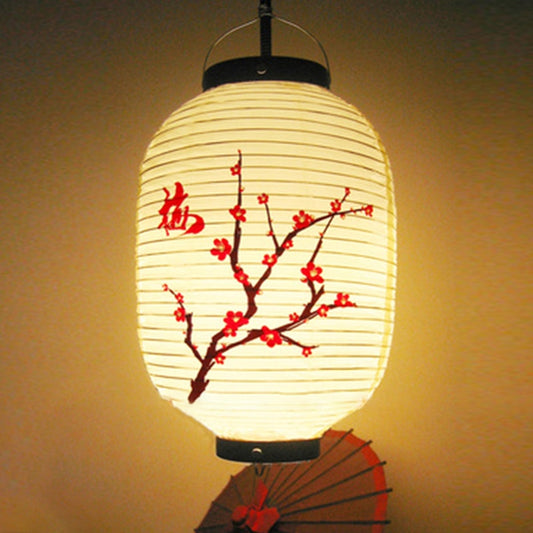
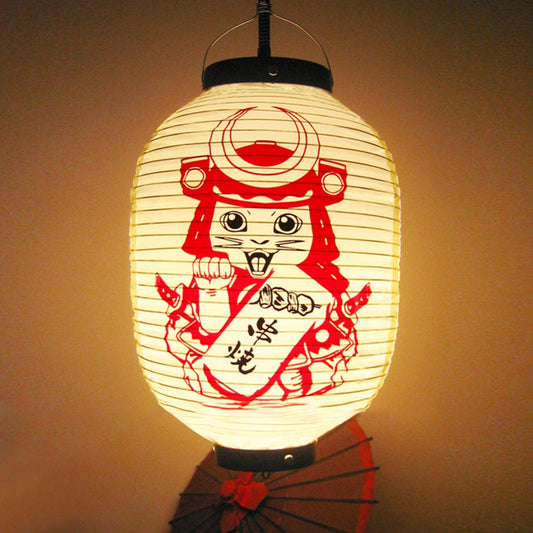
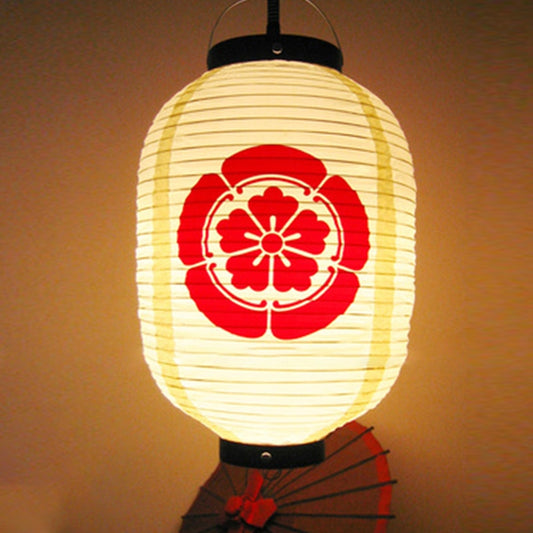
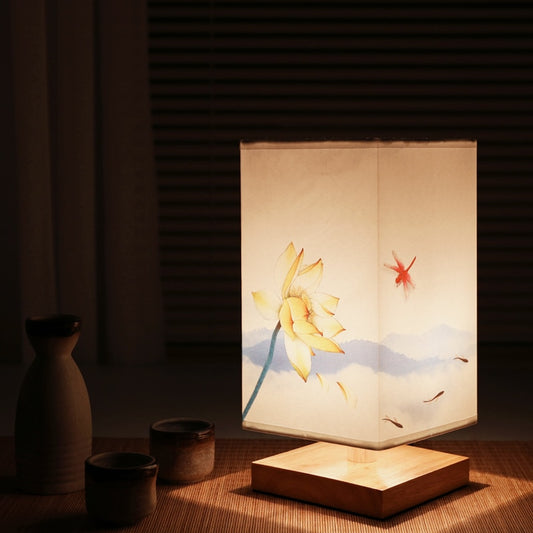
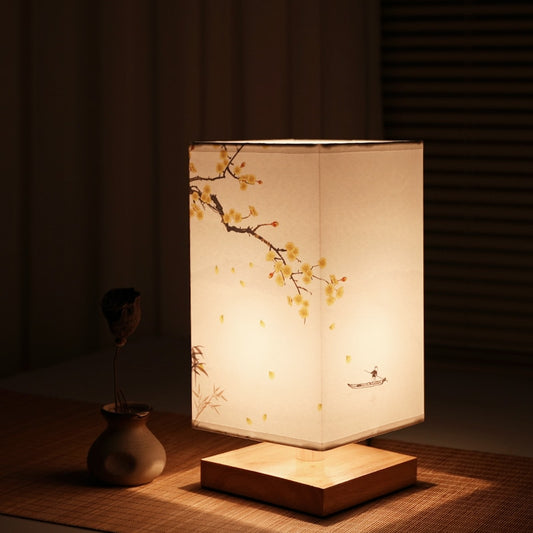
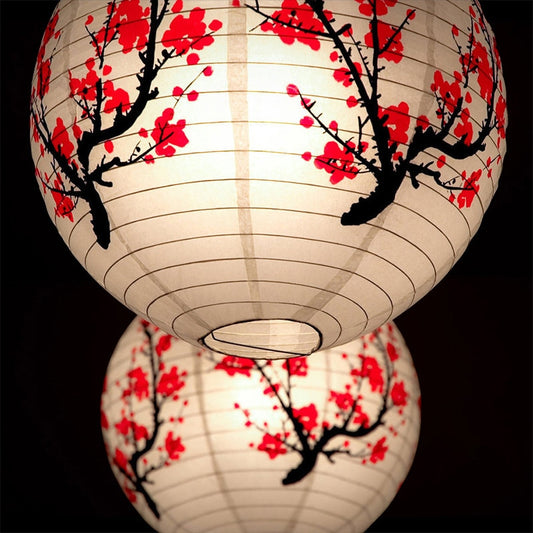
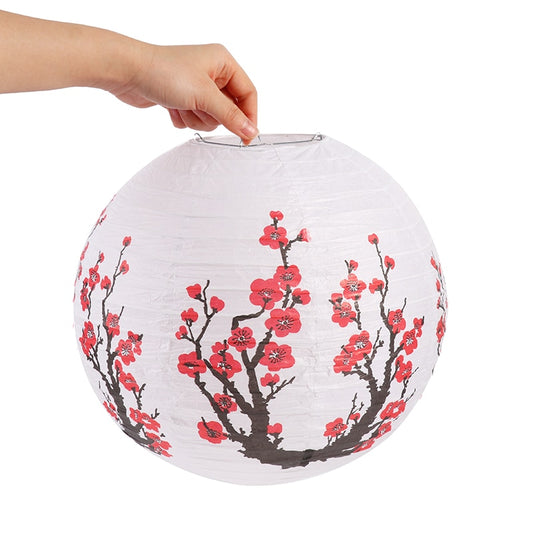
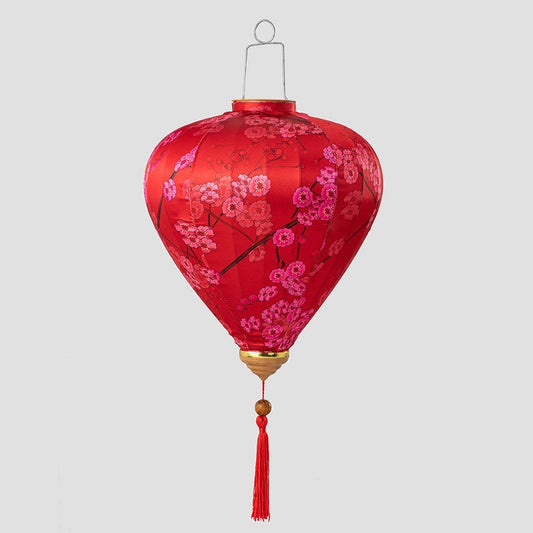
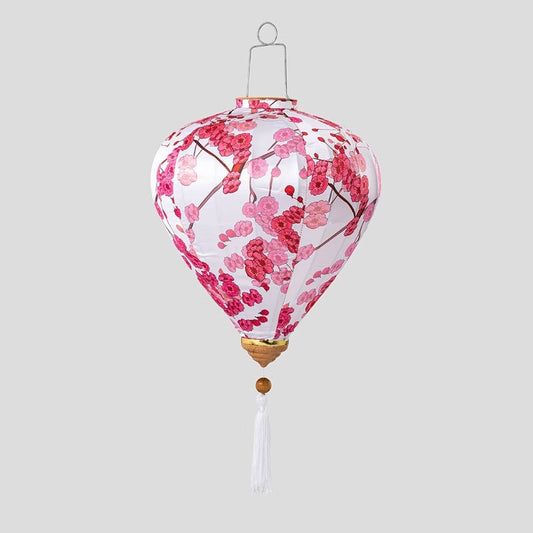
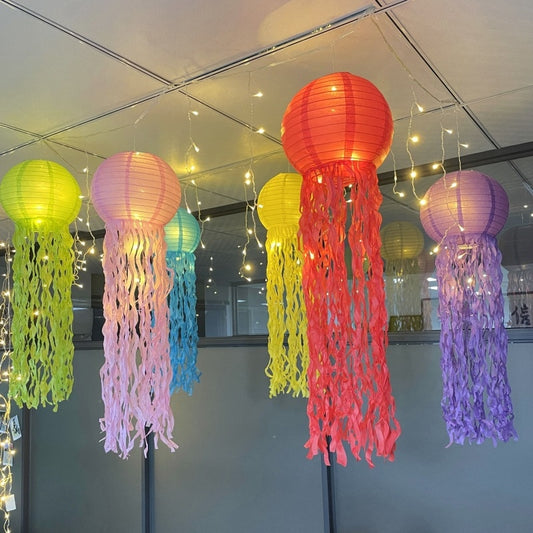
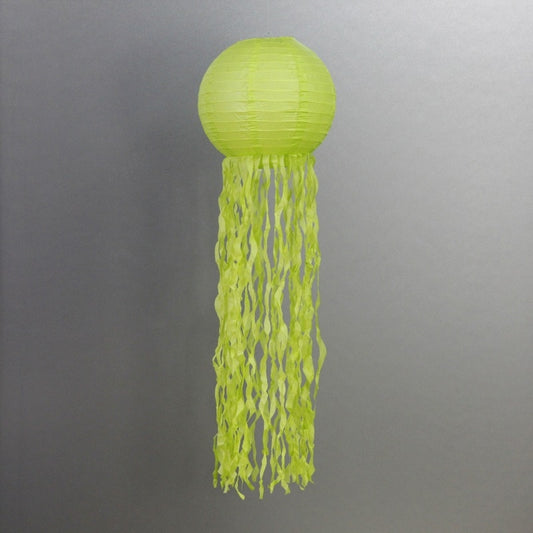
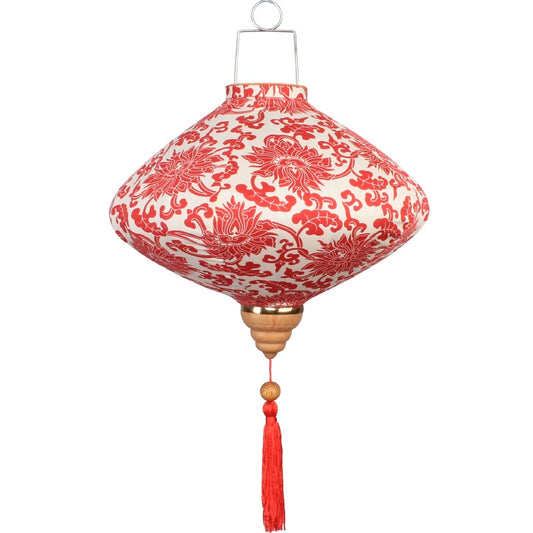
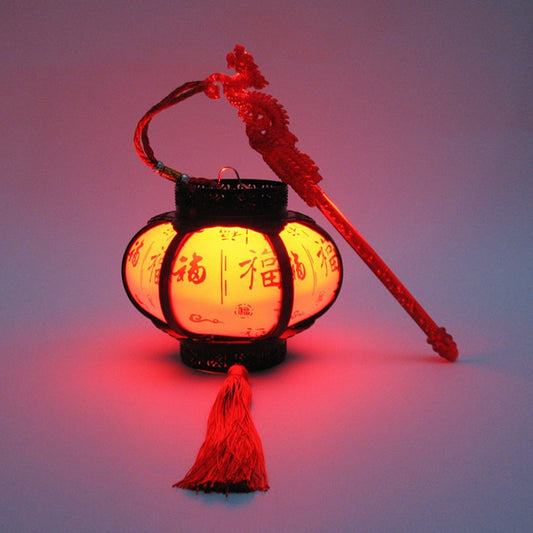
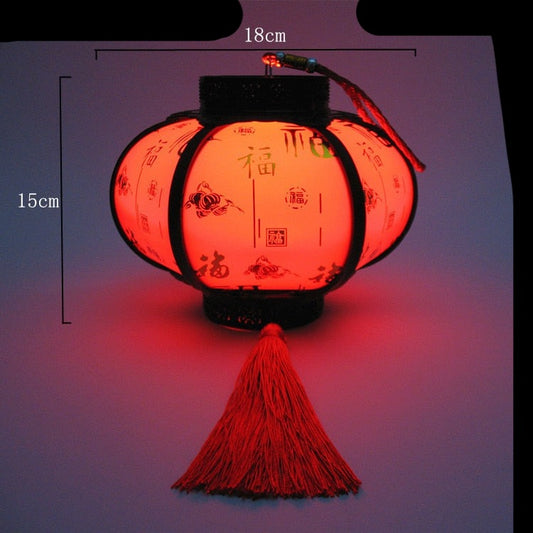
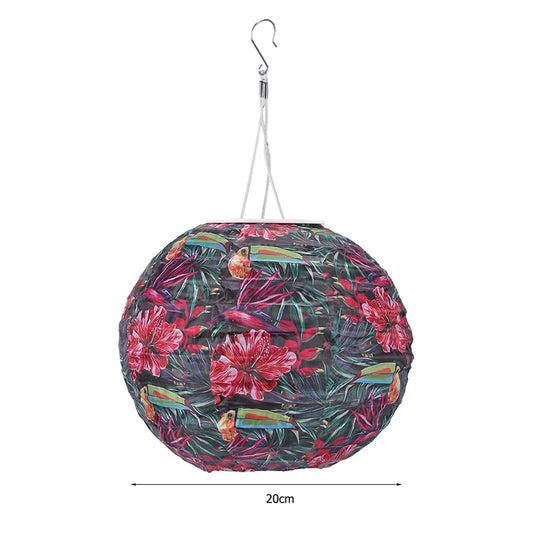
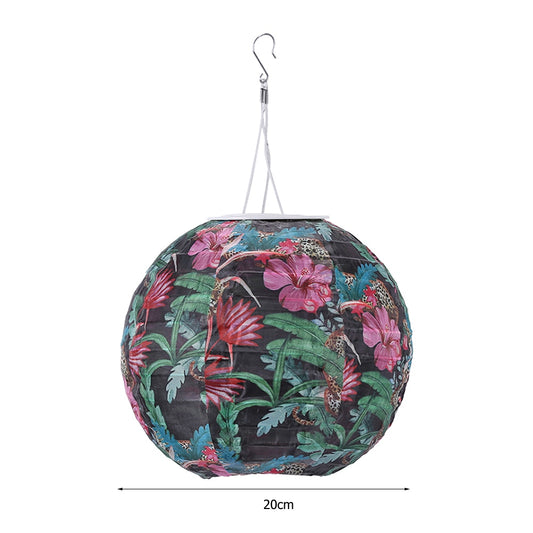
Shop Japanese lanterns and Japanese-inspired hanging lights in red, round, square, paper-style, wooden-frame and LED designs. The collection includes modern decorative lanterns as well as products inspired by traditional Japanese chōchin, so materials, power source, weather resistance and installation requirements should be checked on each product page.
Do not assume every lantern is traditional washi-and-bamboo construction, handmade in Japan, outdoor rated, waterproof, fire-safe with candles or supplied with the same electrical components. Product titles such as “waterproof,” “silk,” “wooden” or “paper” should be verified against the detailed specifications before use.
Jump to: chōchin context · types · how to choose · power and bulbs · indoor vs outdoor · installation · safety · care · FAQs
What Is a Japanese Chōchin Lantern?
Chōchin are traditional Japanese folding lanterns historically made with a lightweight framework, commonly bamboo, covered with paper such as washi. Traditional examples used candles as the light source and could collapse for storage or transport.
Chōchin remain visible in Japanese festivals, temples, shrines, restaurants and streetscapes. Modern decorative lanterns often borrow their round or cylindrical silhouette while using electric bulbs, LEDs, synthetic coverings, plastic frames or other materials.
A modern Japanese-style lantern can be a useful décor product without being a traditional craft object. Treat the specific material and construction as product-level facts.
Japanese Lantern Types in Modern Décor
| Lantern type |
What to compare |
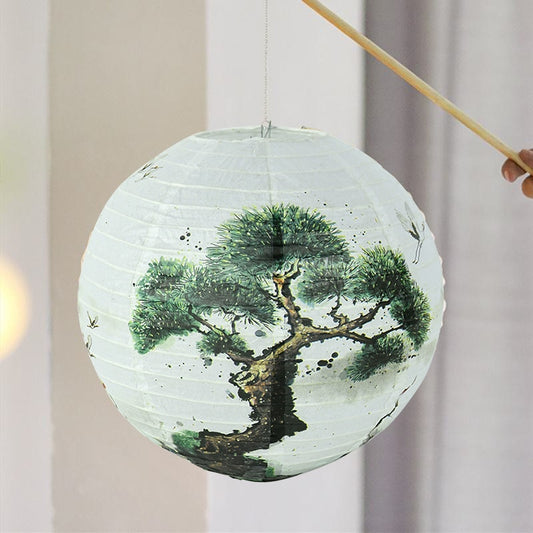
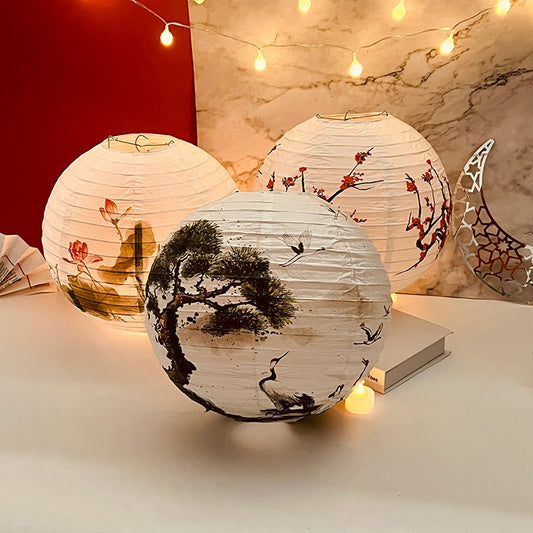
| Round paper-style lantern |
Diameter, covering material, frame, bulb or LED compatibility |
| Red hanging lantern |
Printed design, hanging hardware, power source and indoor/outdoor rating |
| Square lantern |
Frame material, panel material, stability and mounting method |
| LED lantern |
Battery or mains power, light source, replacement access and included components |
| Decorative non-lighting lantern |
Whether it is intended for display only or includes a usable light source |
How to Choose a Japanese Lantern
-
Choose the location first. Indoor ceiling décor, restaurant-style display, event decoration and outdoor use have different requirements.
-
Check the actual dimensions. Lantern photos can make compact products appear much larger.
-
Verify the covering material. Paper, synthetic fabric, satin-style fabric and plastic react differently to moisture, heat and cleaning.
-
Check the frame. Bamboo, wood, wire, plastic and mixed frames differ in weight and flexibility.
-
Confirm the light source. Some products include LEDs or lamp fittings while others may be decorative shades only.
-
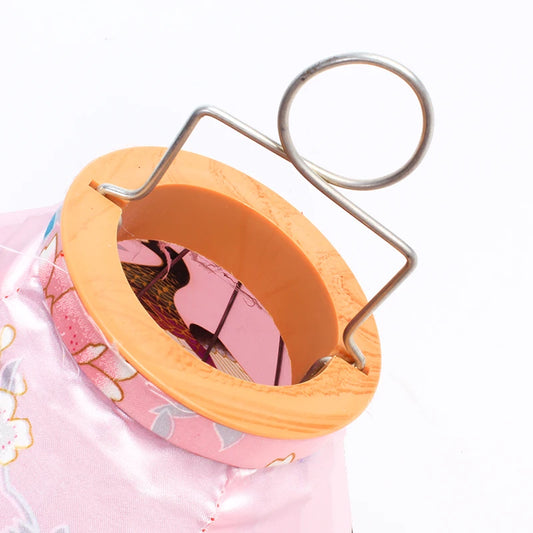
Check the hanging hardware. Ceiling hooks, cords, chains and electrical fittings may not be included.
-
Verify weather resistance. Never infer outdoor suitability from the design alone.
Power Source, LEDs and Bulbs
Modern Japanese-style lanterns can use battery-powered LEDs, integrated LEDs, plug-in fittings, mains-wired lamp holders or no light source at all. Confirm exactly what is included before ordering.
If a product uses a replaceable bulb, check the specified socket, voltage and maximum wattage. Do not install a higher-wattage or hotter bulb than the product allows, especially with paper or fabric coverings.
Lighting tip: LED light sources generally produce less heat than many traditional incandescent bulbs, but you should still follow the lantern’s stated bulb and electrical requirements.
Indoor vs Outdoor Japanese Lanterns
A lantern should only be used outdoors when the exact product is documented for outdoor conditions. A product title containing “waterproof” is not enough by itself to establish an electrical ingress-protection rating or long-term weather resistance.
For Indoor Use
- Check ceiling clearance and hanging height.
- Keep paper or fabric lanterns away from heaters and cooking flames.
- Confirm that the bulb and fitting are compatible.
- Use stable hanging hardware appropriate for the lantern’s weight.
For Outdoor Use
- Verify that the complete lantern and electrical components are rated for outdoor use.
- Keep unverified paper, fabric and electrical products away from rain.
- Consider wind exposure before hanging lightweight lanterns.
- Do not float electrical or paper lanterns in ponds or fountains unless the product is specifically designed and certified for that use.
Japanese Lantern Installation and Placement
Decorative lanterns can be used above dining areas, in entryways, on covered event structures, near shop displays or as lightweight room accents when the product and mounting method suit the location.
For ceiling or mains-powered installation, use appropriate hardware and follow local electrical requirements. If hard-wiring is required, use a qualified installer rather than improvising connections.
For event décor, check fire rules, ceiling load limits and emergency-exit clearance at the venue before hanging multiple lanterns.
Japanese Lantern Colors and Motifs
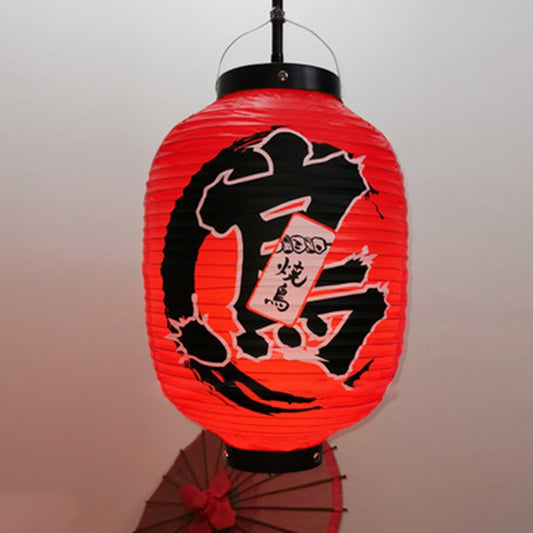
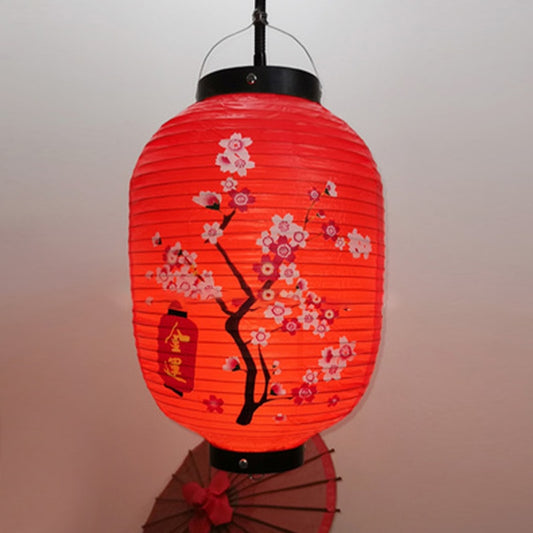
Japanese-style lanterns can feature red-and-black graphics, flowers, kanji-style lettering, blossom motifs, rabbits, geometric designs and other decorative imagery. A product with Japanese-looking characters or traditional colors should not automatically be described as historically accurate or ceremonial.
If written Japanese is important to you, check that the characters are shown clearly and verify the wording rather than assuming all printed text is meaningful or correct.
Japanese Lantern Safety
- Do not place an open flame inside a modern lantern unless the manufacturer explicitly says it is designed for candles.
- Keep paper, fabric, tassels and decorations away from hot bulbs and heating elements.
- Use only the specified bulb type and wattage.
- Keep indoor electrical lanterns away from rain and standing water.
- Secure hanging lanterns so they cannot fall onto people or hot surfaces.
- Keep cords and battery compartments accessible for inspection.
- Stop using a lantern if wiring, plugs, lamp holders or battery compartments show damage.
Are These Traditional Japanese Lanterns?
Some designs reference traditional chōchin shapes, but the live collection contains modern decorative and LED products. Do not assume traditional washi construction, artisan production, Japanese manufacture or historical authenticity unless the individual listing verifies it.
What Affects Japanese Lantern Prices?
Use the live product card for current pricing because prices and variants can change. Differences can reflect size, frame material, covering material, lighting hardware, LED components, decorative printing, weather-rated construction and packaging.
Japanese Lantern Care
- Turn off and unplug electrical lanterns before cleaning.
- Dust paper and delicate fabric coverings with a soft dry brush or cloth.
- Avoid wet cleaning unless the material and electrical design allow it.
- Keep collapsible lanterns dry before folding or storing them.
- Inspect hanging points and electrical cords periodically.
- Store lightweight lanterns where they will not be crushed.
Japanese Lantern FAQs
What is a chōchin lantern?
Chōchin are traditional Japanese folding lanterns historically made with a lightweight frame and paper covering. Modern products often adapt the shape for electric or LED lighting.
Are Japanese lanterns made from paper?
Traditional chōchin commonly use paper, but modern lanterns may use synthetic fabric, plastic, paper-style coverings or other materials.
Can I put a candle inside a Japanese lantern?
Only if the exact modern product is explicitly designed for open-flame candle use. Otherwise use the specified electrical or LED light source.
Can Japanese lanterns be used outdoors?
Only when the exact lantern and any electrical components are documented for outdoor use. Do not rely on appearance or a product name alone.
Do the lanterns include a bulb or LED?
Included lighting components vary by product. Check the listing for the light source, socket, power supply and accessories.
Are these lanterns made in Japan?
Do not assume Japanese manufacture from the collection name. Check each product page for origin information.
Shop Japanese Lanterns
Compare lanterns by size, material, frame, power source, bulb or LED requirements, hanging method and indoor/outdoor rating. For complementary décor, browse Japanese Wall Art Décor and Japanese Mat.