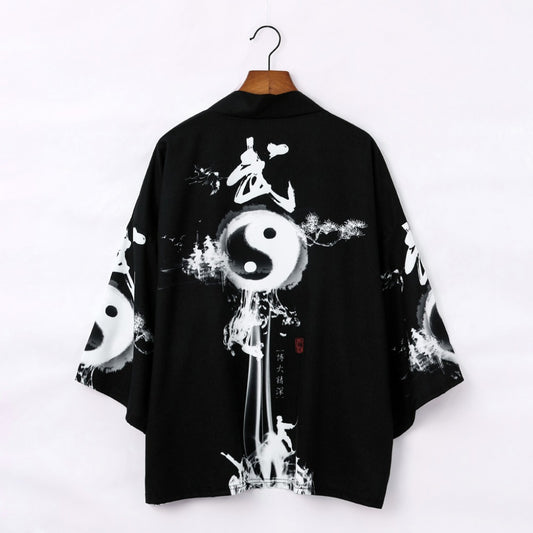
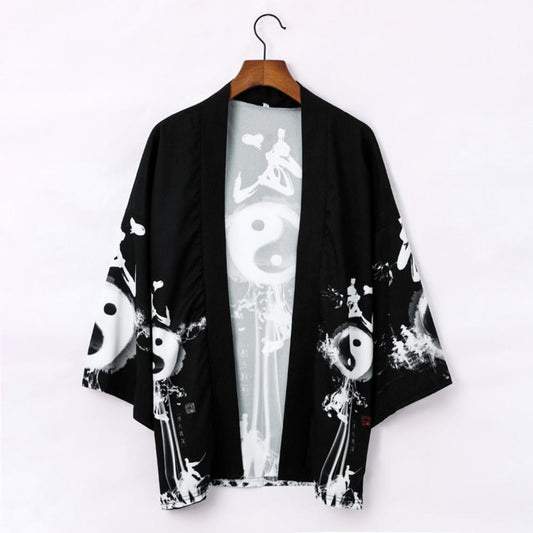
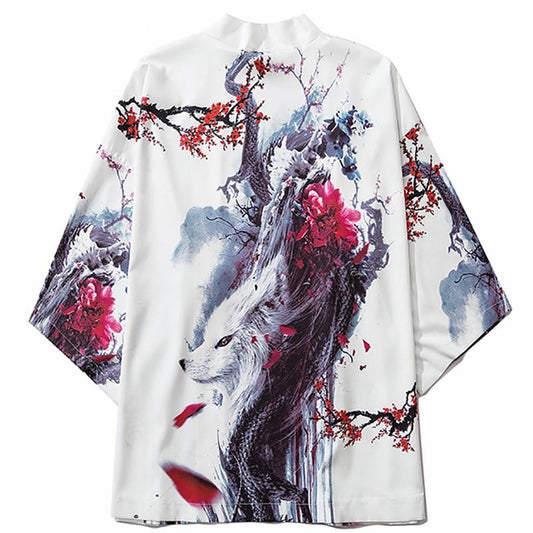
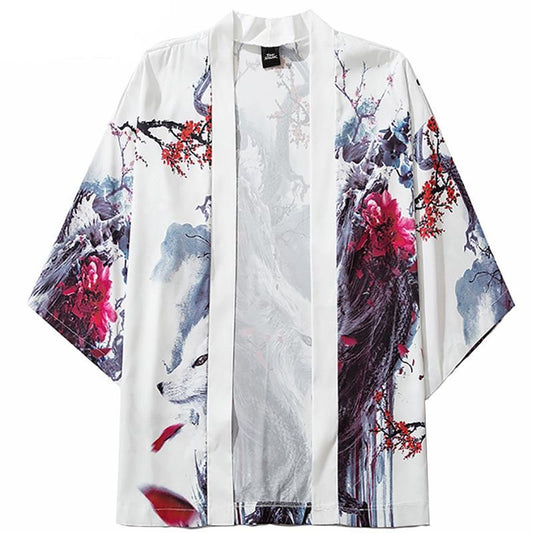
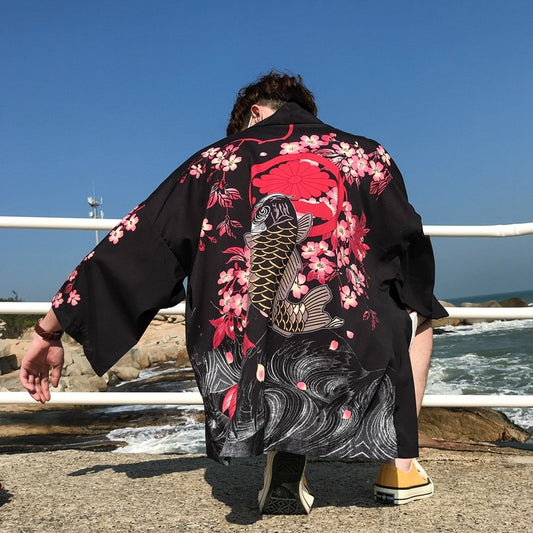
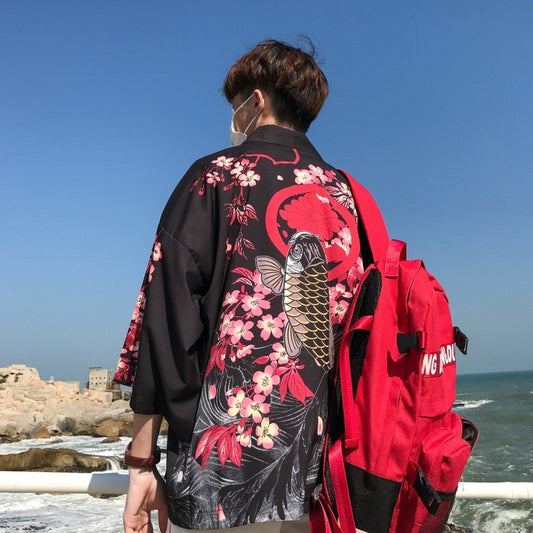
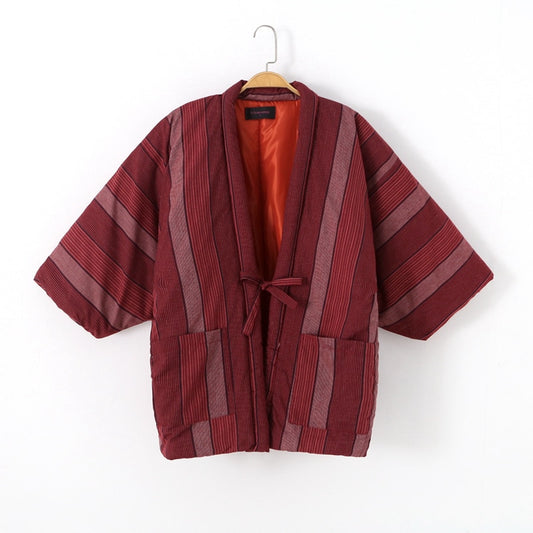
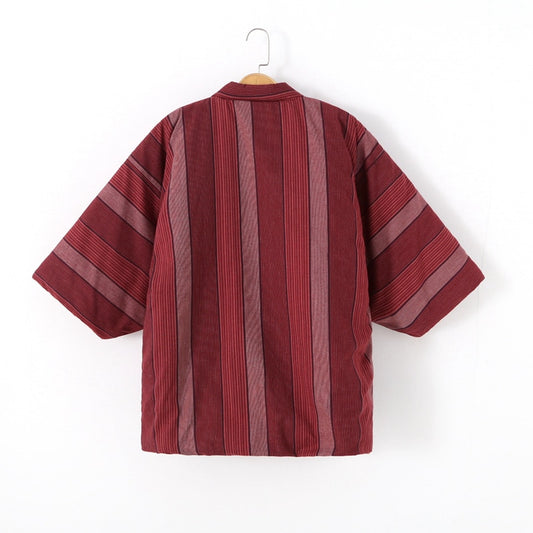
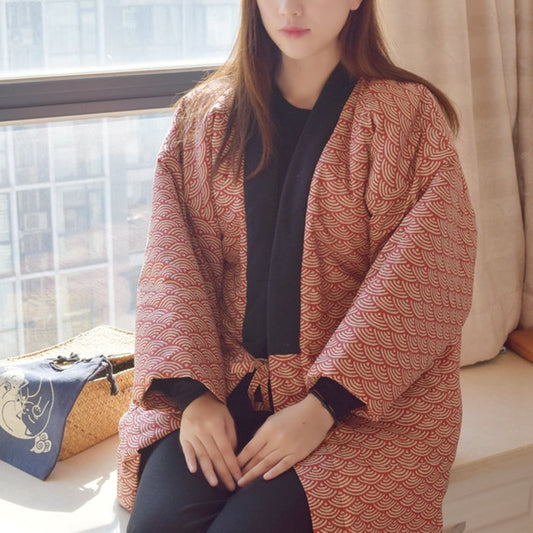
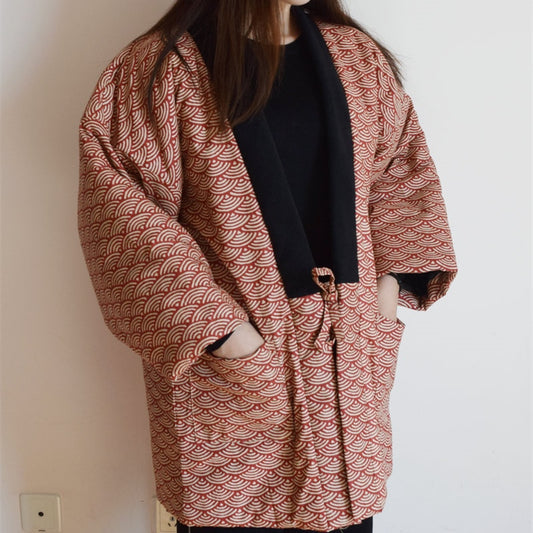
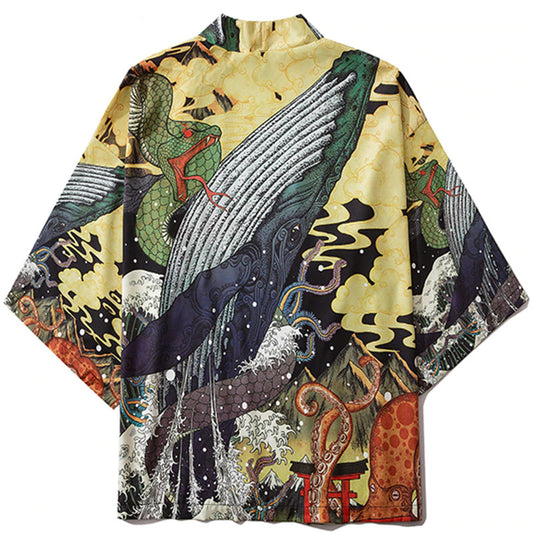
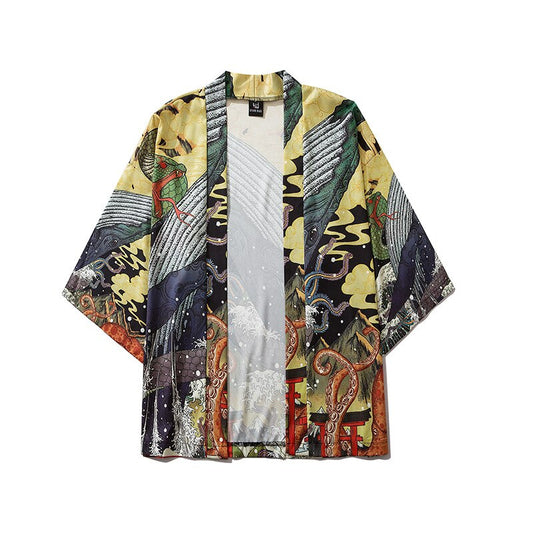
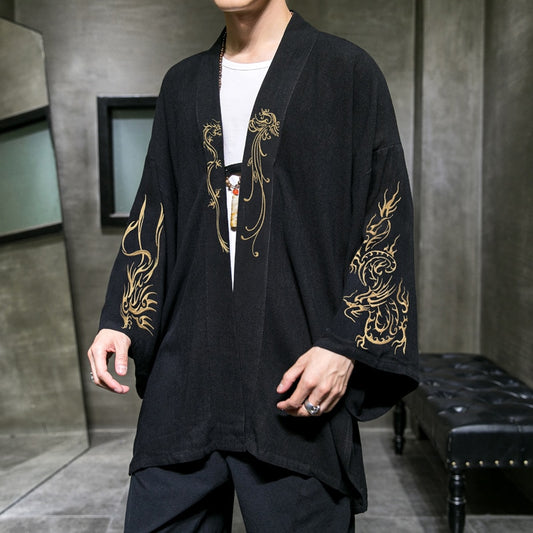
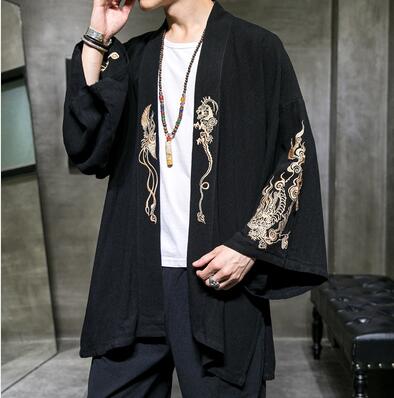
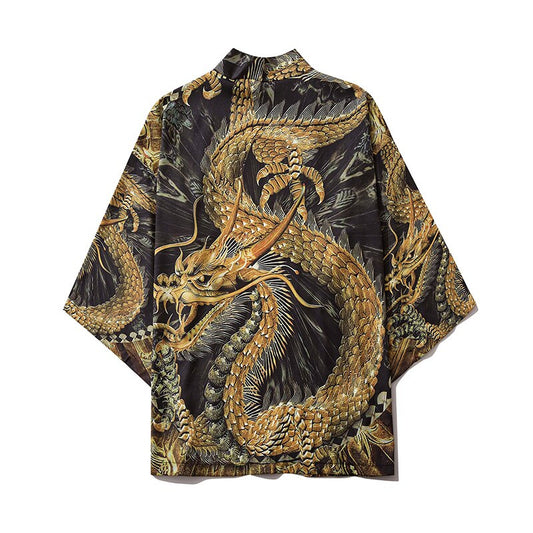
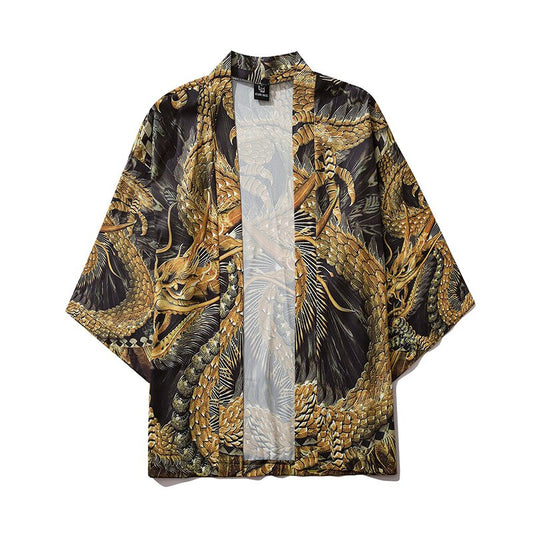
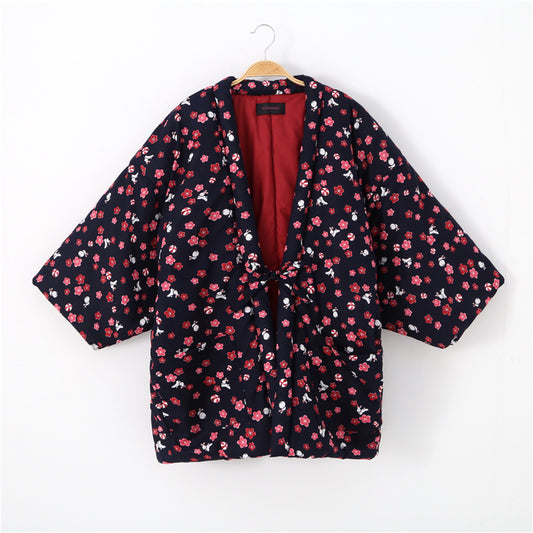
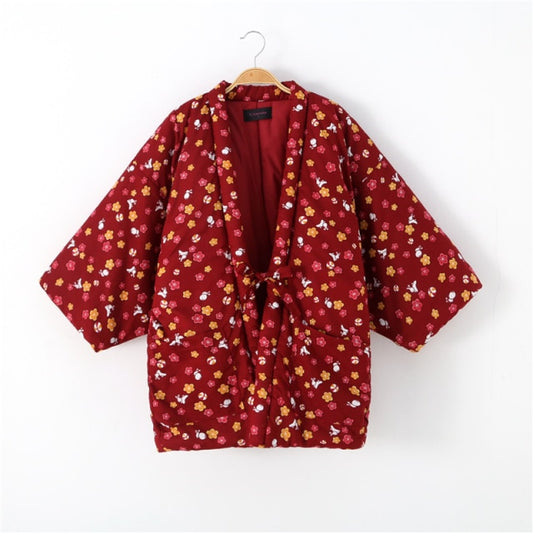
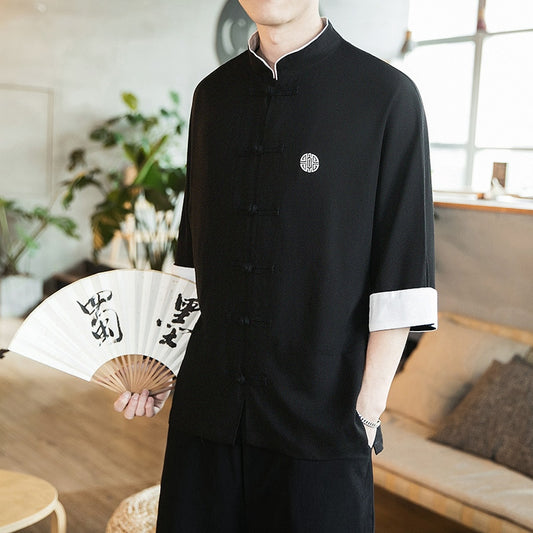
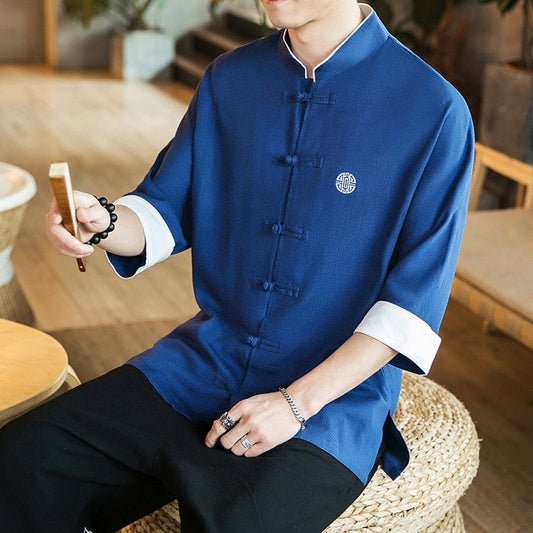
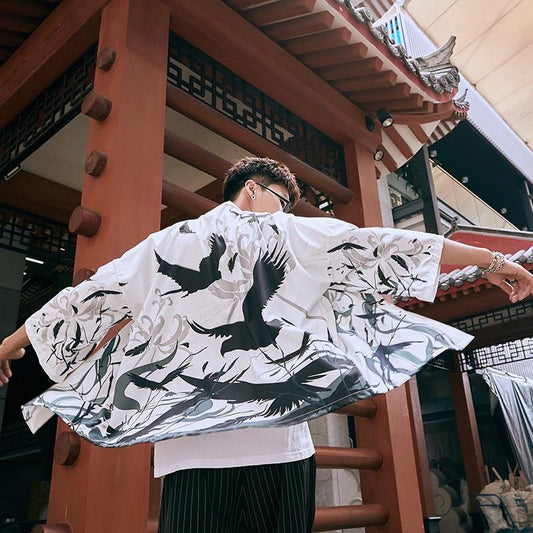
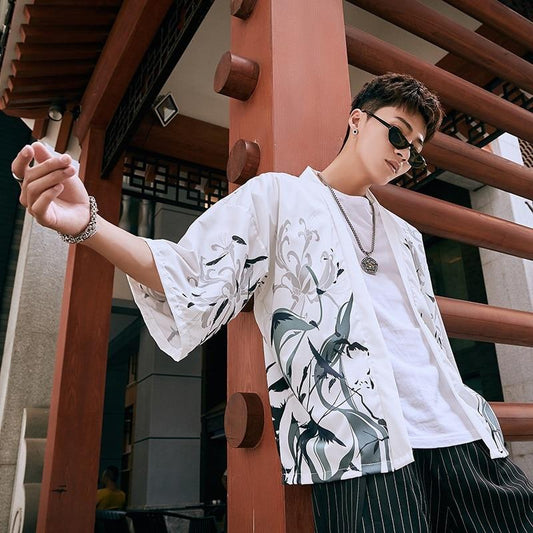
Shop Japanese kimono jackets across Haori, Hanten and modern kimono-inspired outerwear. This broad collection brings together lightweight printed layers, open-front jackets, padded Hanten and other Japanese-inspired jacket styles with dragon, Oni, Hannya, Kitsune, crane, koi, wave, sakura, tiger, kanji and modern graphic designs.
“Kimono jacket” is a modern shopping term, not one historical Japanese garment name. Haori, Hanten and full kimono are distinct categories, so this page works best as a parent shopping hub. Use the more specific collections when you already know which garment type you want.
Jump to: Haori vs Hanten vs Kimono · how to choose · fit and sizing · materials · designs · seasonal use · how to wear · care · FAQs
Haori vs Hanten vs Kimono
| Garment |
How to think about it |
Browse |
| Haori |
Japanese jacket traditionally worn over kimono; modern store versions often function as open-front fashion layers |
Haori Jackets |
| Hanten |
Short Japanese jacket category that can include casual, workwear-inspired and padded warm styles |
Hanten Jackets |
| Kimono |
Full garment category rather than a short outer jacket; includes longer robe-like forms and coordinated dressing |
Japanese Kimono |
Modern retail sometimes uses these words loosely. This collection keeps the broad “kimono jacket” keyword for shoppers while the dedicated Haori and Hanten pages preserve the more specific intent.
How to Choose a Japanese Kimono Jacket
-
Start with warmth. Choose a lighter Haori-style layer for mild weather and indoor styling, or look at padded Hanten when insulation matters.
-
Check garment length. Shorter jackets feel more compact, while longer open layers create a more flowing silhouette.
-
Check the size chart. Sizing varies substantially across suppliers and styles.
-
Check the material. Polyester, cotton, blends, rayon blends, linings and padding all change the feel and care.
-
Check construction. Embroidery, printing, pockets, lining, closures and padding are product-specific.
-
Choose the motif after the fit. A strong dragon, Hannya or wave graphic is useful only if the jacket fits the way you want.
Japanese Kimono Jacket Fit and Sizing
There is no universal “Japanese kimono jacket size.” Some garments are sold in conventional letter sizes, some use extended size ranges and some use one-size styling.
Compare the product’s chest width, shoulder width, garment length and sleeve measurements with a jacket you already own. If you plan to layer over a hoodie, sweater or thick shirt, allow room for that extra volume.
Fit tip: garment measurements are more reliable than assuming that an M, XL or “one size” will match another brand’s sizing.
For gender-focused browsing, use Men's Haori, Women's Haori, Men's Hanten or Women's Hanten.
Kimono Jacket Materials
Polyester
Polyester is common in modern printed Haori-style jackets because it accepts detailed color printing and can create a lightweight drape. Fabric weight and feel still vary by product.
Cotton and Cotton Blends
Cotton and cotton-blend jackets can feel more substantial, especially in Hanten or lined styles. Do not assume every Hanten is cotton or every cotton jacket is padded.
Rayon and Other Blends
Some modern outer layers use rayon blends or other mixed fibers for a softer drape. Use the exact listing rather than applying one fabric description to the entire collection.
Padding and Lining
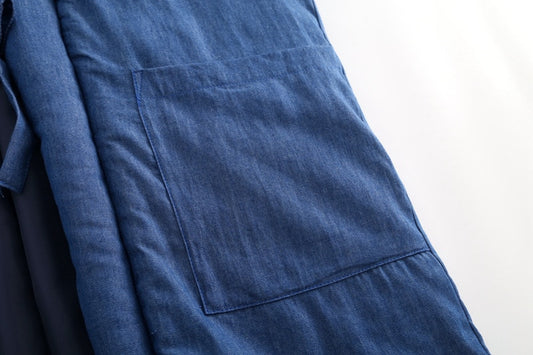
Warmth depends heavily on lining and padding. A thin open Haori and a padded Hanten can both be called jackets while performing very differently in cool weather.
Japanese Kimono Jacket Designs
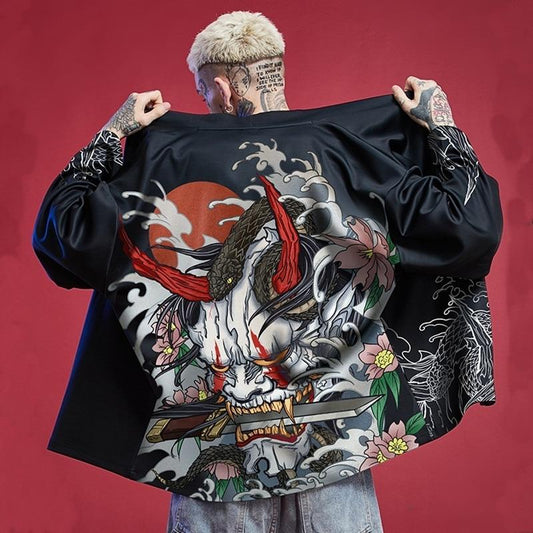
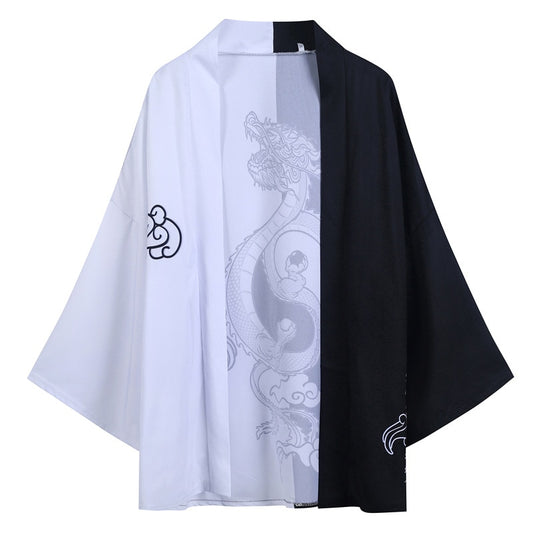
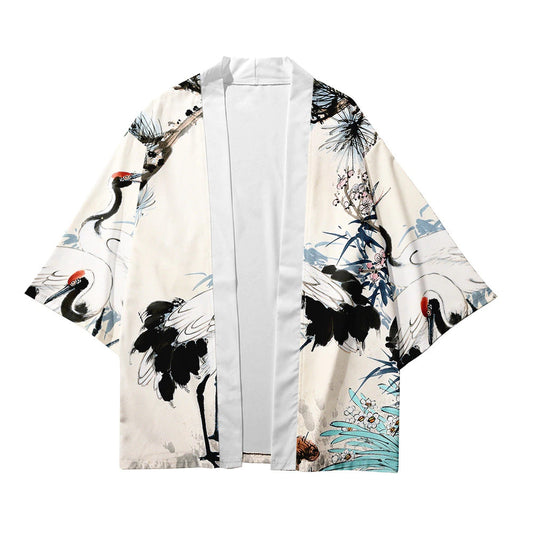
The collection includes a wide range of Japanese-inspired and modern graphics, including dragons, Oni, Hannya, Kitsune, cranes, koi, waves, sakura, tigers, lucky cats, kanji, birds and other illustrative designs.
A motif can be inspired by Japanese visual culture without making the garment historically traditional. Words such as “vintage,” “samurai,” “geisha,” “traditional” or “yukata” in modern fashion product names should not be treated as proof of antique age, authentic historical construction or formal cultural use.
Haori-Style Jackets
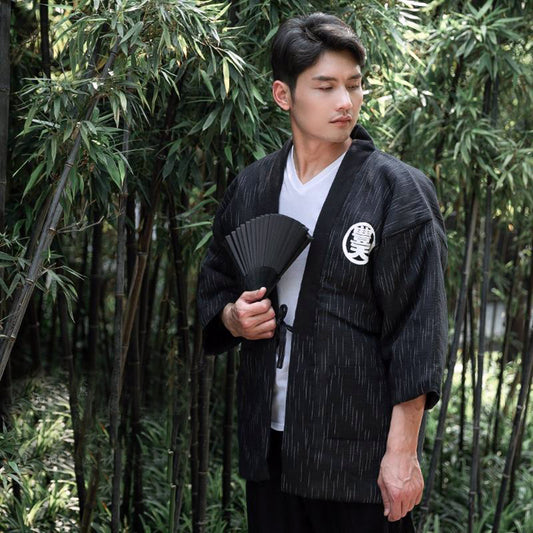
Modern Haori-style products in this store are mainly used as lightweight fashion layers. They work well over plain shirts, dresses, jeans and trousers because the open silhouette makes large back or sleeve graphics easy to see.
For the dedicated parent range, browse Haori Jackets.
Hanten Jackets
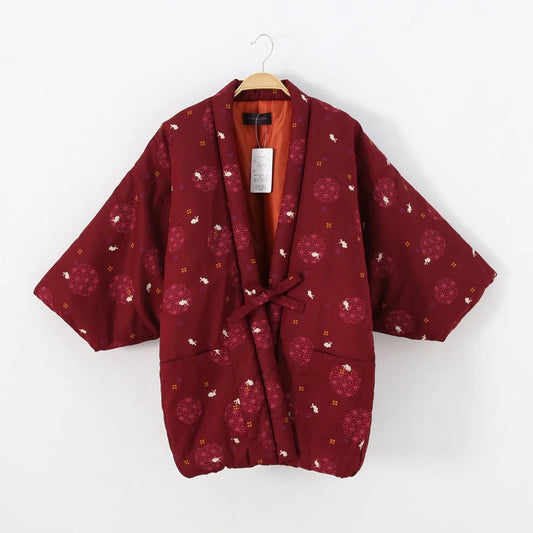
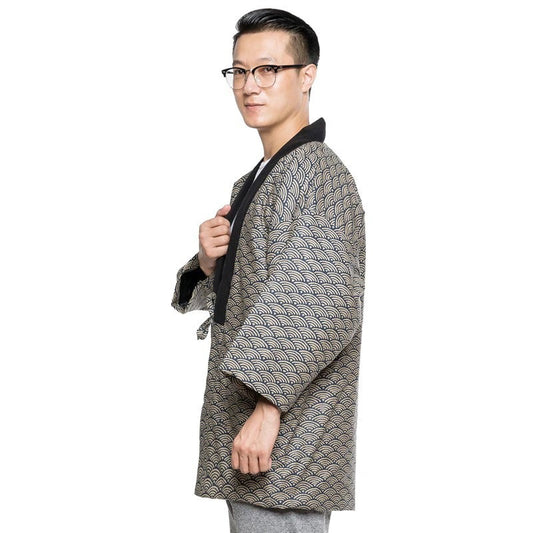
Hanten styles range from lighter casual jackets to padded cold-weather designs. A padded Hanten can provide more insulation and structure than a thin Haori, but actual warmth depends on the fabric, lining and filling.
Browse the dedicated Hanten collection when warmth or Hanten-specific styling is your priority.
Lightweight vs Winter Kimono Jackets
Mild Weather and Indoor Wear
Lightweight Haori and thin printed jackets are useful for layering in spring, summer evenings, mild autumn weather and indoor events, depending on climate and fabric.
Cooler Weather
Look for lining, thicker fabric or padding rather than relying on the word “jacket” alone.
Winter
Padded Hanten are the better starting point within this collection for cold-weather use, but do not assume they replace technical winter outerwear. Check insulation, local climate and intended activity.
How to Wear a Japanese Kimono Jacket
Casual
Wear a printed jacket over a plain T-shirt with jeans or relaxed trousers. A simple base outfit lets the jacket design remain the focal point.
Streetwear
Pair an oversized or loose Haori-style layer with wide-leg trousers and sneakers. Keep competing prints limited when the jacket artwork is large.
Smart Casual
A dark or restrained jacket can work over a clean shirt or fitted top. Suitability depends on the individual garment and dress code.
Cold-Weather Casual
Use a padded Hanten over a suitable base layer. Make sure the jacket has enough room in the shoulders and sleeves for the clothing underneath.
Festival or Cosplay-Inspired Outfits
Statement graphics can support a Japanese-inspired costume or event outfit, but modern fashion pieces should not be presented as historical costume reproductions.
Kimono Jacket vs Kimono Cardigan
The Japanese Kimono Cardigan collection is narrower and focuses on modern open-front cardigan-style pieces. This Kimono Jacket page is broader because it also includes Haori and Hanten.
Are These Traditional Japanese Jackets?
The collection mixes traditional garment terminology with modern commercial fashion. Do not assume Japanese manufacture, artisan tailoring, antique age, formal kimono construction or historical authenticity unless an individual product documents it.
What Affects Japanese Kimono Jacket Prices?
Use live product cards for current pricing. Differences can reflect fabric, lining, padding, embroidery, print complexity, garment size and construction.
Japanese Kimono Jacket Care
- Follow the exact product care label.
- Wash printed garments gently when required and avoid harsh bleach on graphics.
- Do not assume every jacket is machine washable or tumble-dry safe.
- Protect embroidery from snagging.
- Store padded Hanten without compressing the filling for long periods.
- Check both the outer fabric and lining before choosing a washing method.
- Avoid high heat when the fabric, print or padding can be damaged by it.
Japanese Kimono Jacket FAQs
What is a Japanese kimono jacket?
It is a broad modern shopping term. In this store the collection mainly brings together Haori, Hanten and related Japanese-inspired jacket styles.
What is the difference between Haori and Hanten?
They are distinct Japanese jacket categories. Modern Haori are often open layering pieces, while Hanten include shorter casual and padded styles.
Is a kimono jacket the same as a full kimono?
No. A full kimono is a different garment category. Use the main Kimono collection for longer robe-like garments and coordinated kimono styles.
How should I choose a size?
Compare the exact garment measurements with a jacket you already own and allow extra room when layering over thicker clothing.
Which style is better for winter?
Start with lined or padded Hanten rather than thin Haori, then check the exact material and insulation.
Are these jackets made in Japan?
Do not assume Japanese manufacture from the collection name. Check the individual product listing for origin and construction details.
Shop Japanese Kimono Jackets
Compare jackets by garment type, warmth, fabric, lining, padding, size chart, length, print and care requirements. Use the dedicated Haori, Hanten or Kimono collections when you want a more specific garment category.

 Sale
Sale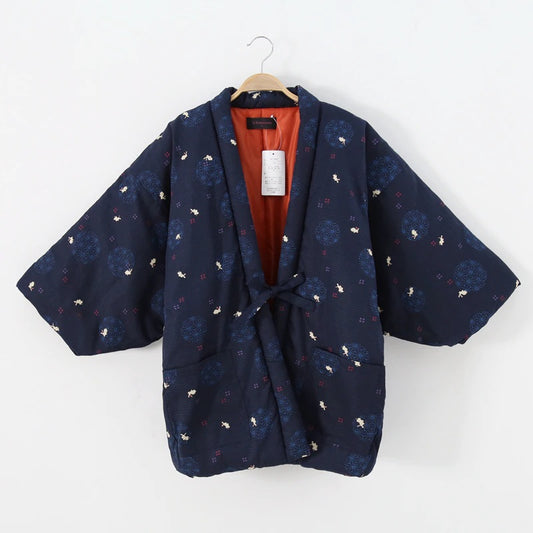
 Sale
Sale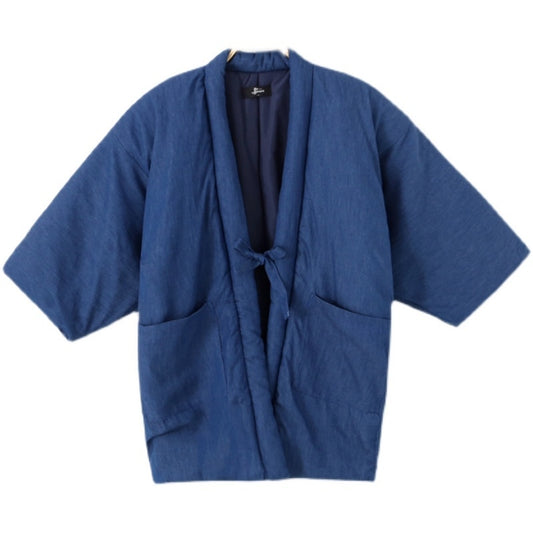
 Sale
Sale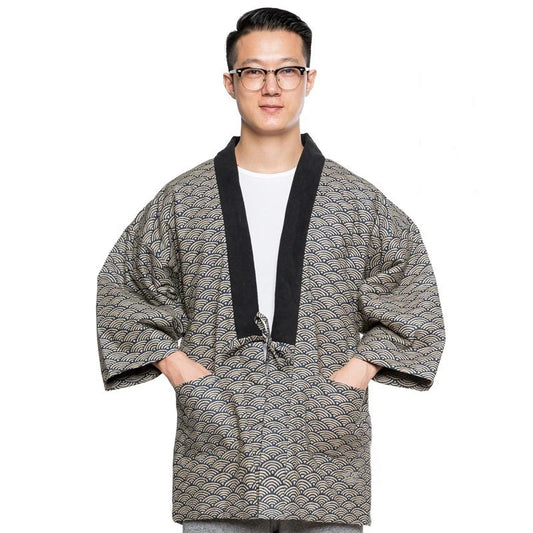
 Sale
Sale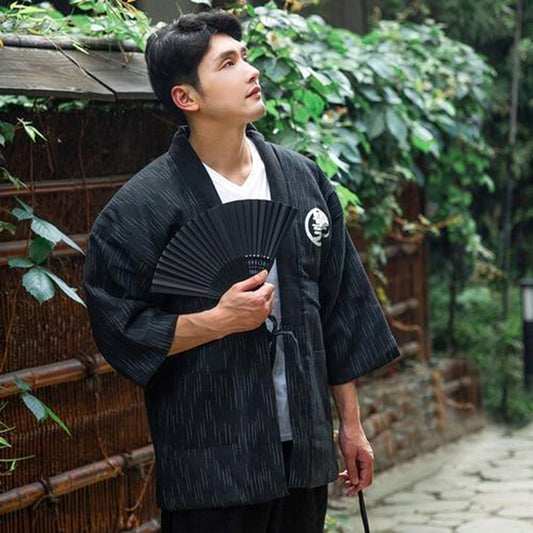
 Sale
Sale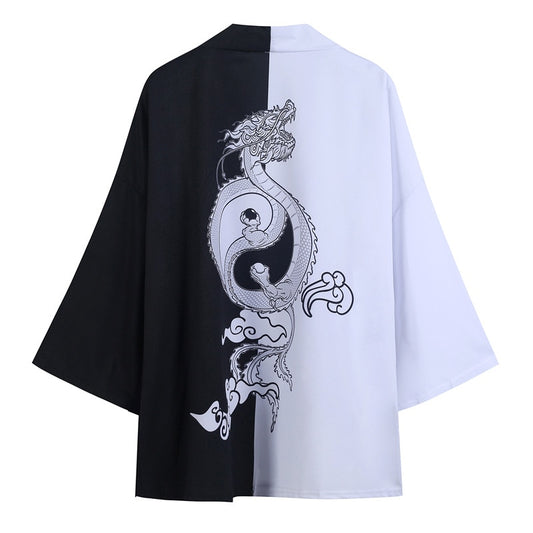
 Sale
Sale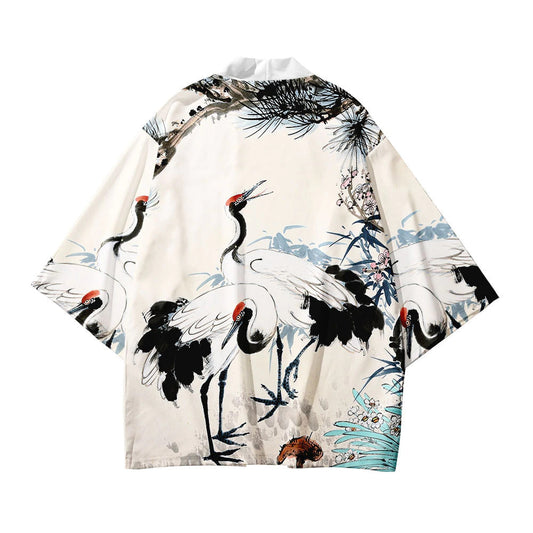
 Sale
Sale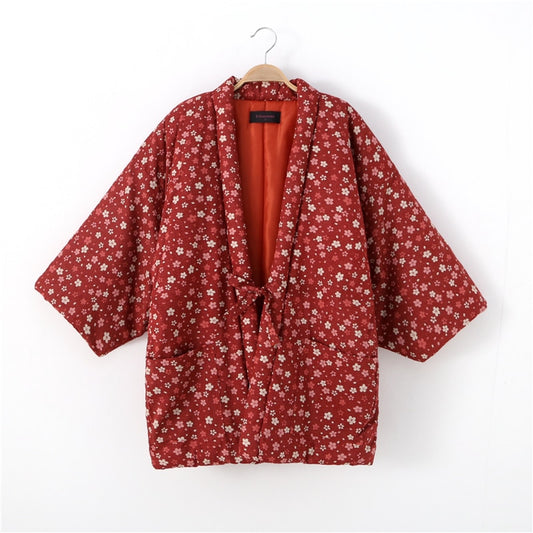
 Sale
Sale