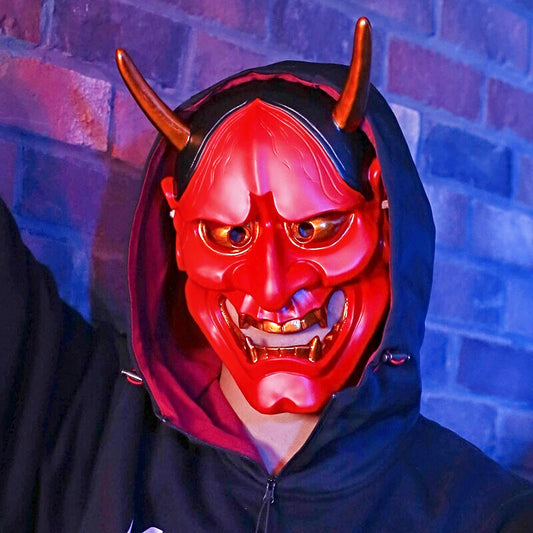
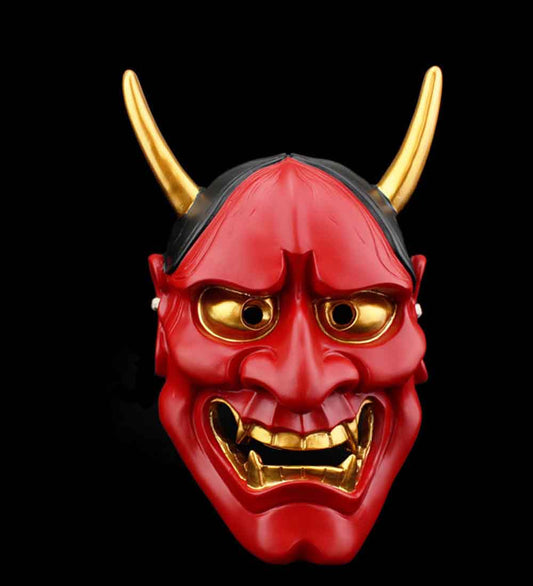
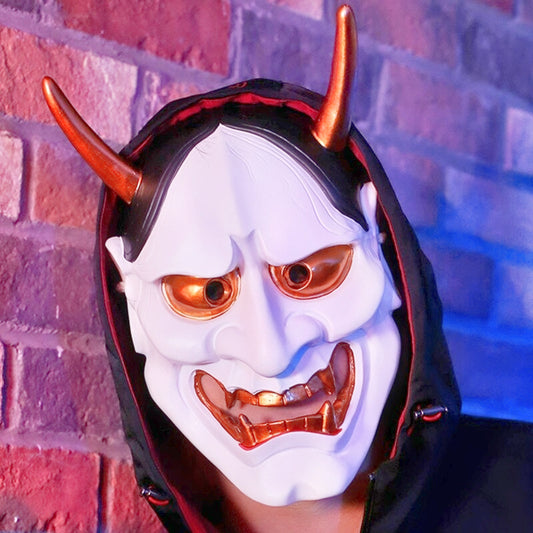
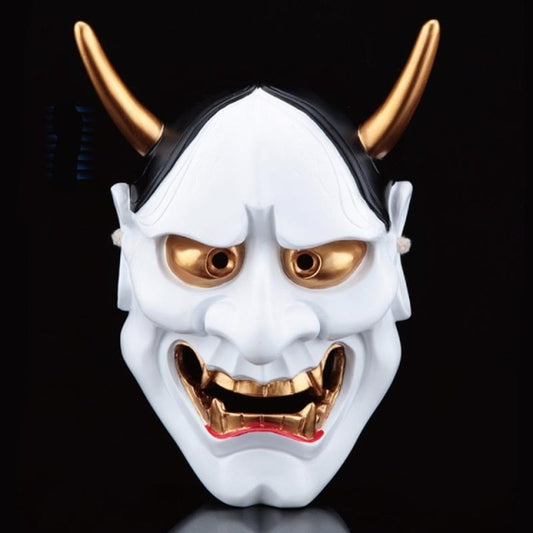
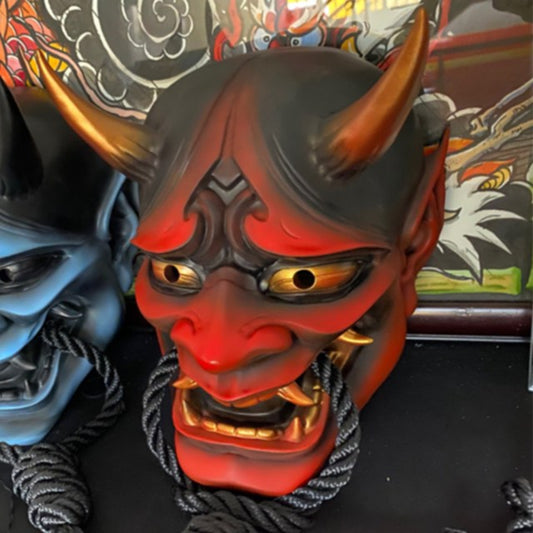
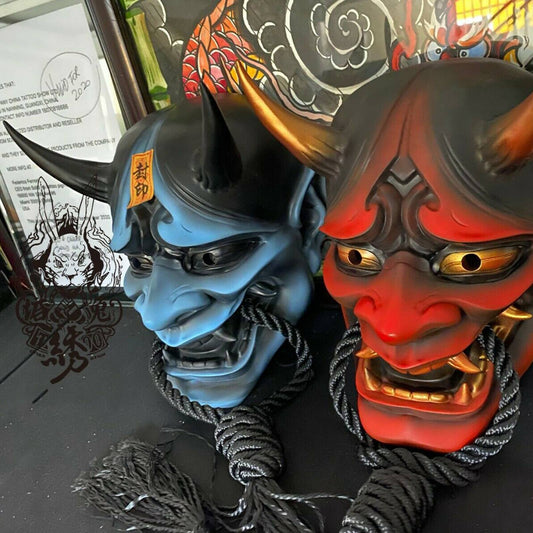
Shop Hannya masks for cosplay, costumes, photography and display. This collection includes red, white, bronze and grey designs alongside plastic, latex, fiberglass, glass-fiber and LED options. Compare the material, size, fit and lighting details that are actually stated for each mask, then use the guide below to understand the Hannya's place in Japanese Noh theatre without confusing modern costume masks with historical stage masks.
Jump to: compare masks · how to choose · materials · meaning and story · colors · Hannya vs Oni · FAQs
Compare Hannya Masks
The product cards show current prices, discounts and availability. The comparison below focuses on the differences that matter when choosing between the nine Hannya masks in this collection. Where a product does not state a reliable material or measurement, it is marked as such rather than borrowing specifications from a similar-looking mask.
Comparison of the Hannya masks currently in this collection.
| Mask |
Verified details |
Best reason to choose it |
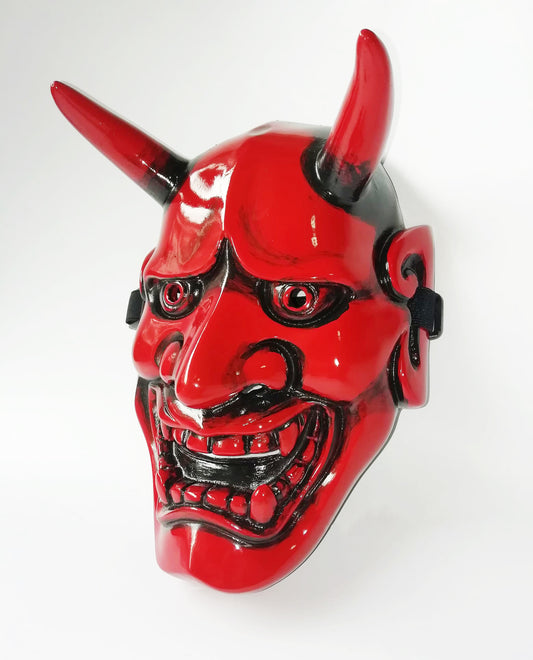
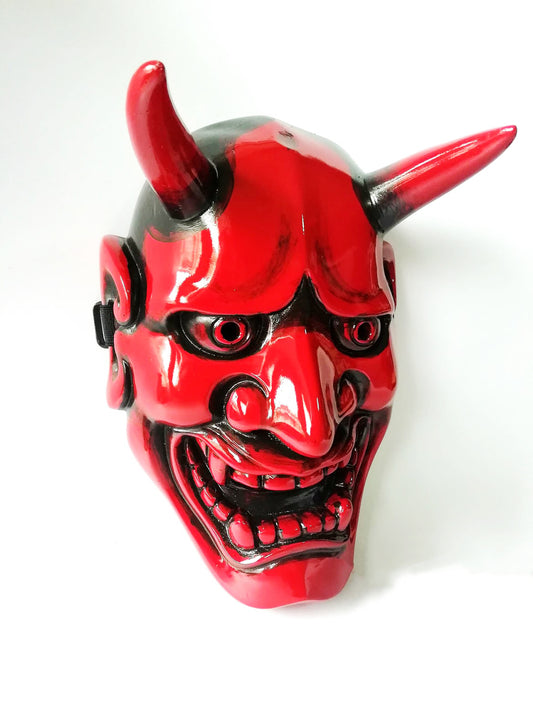
| Japanese Hannya Red Mask |
Red finish · material and dimensions not reliably stated |
A strong red Hannya look when color is the main priority |
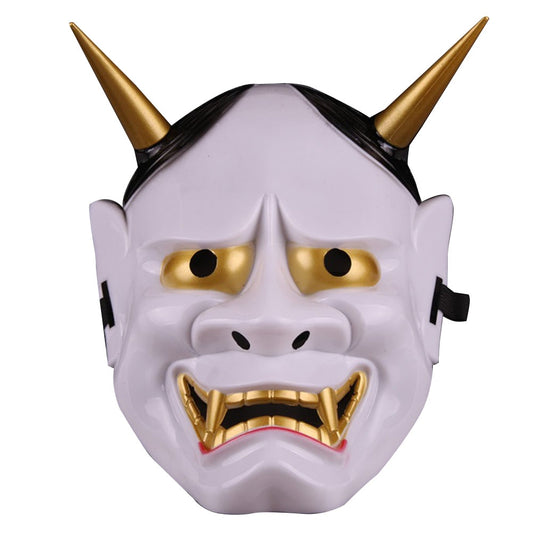
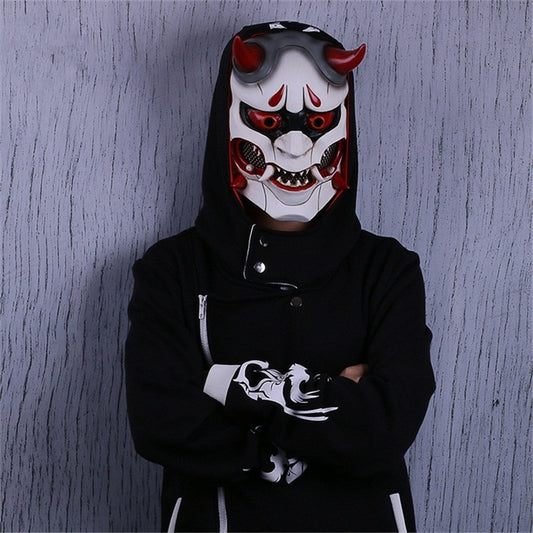
| Japanese Hannya White Mask |
White finish · adjustable fastening stated · material and dimensions not reliably stated |
A white Hannya look for costumes and display |
| Devil Hannya Mask - Fiberglass |
Fiberglass · approx. 16.5 × 25.4 × 8.9 cm / 6.5 × 10 × 3.5 in · adjustable strap · soft padding · metallic eye mesh |
A rigid sculpt with the most detailed verified construction specs in the collection |
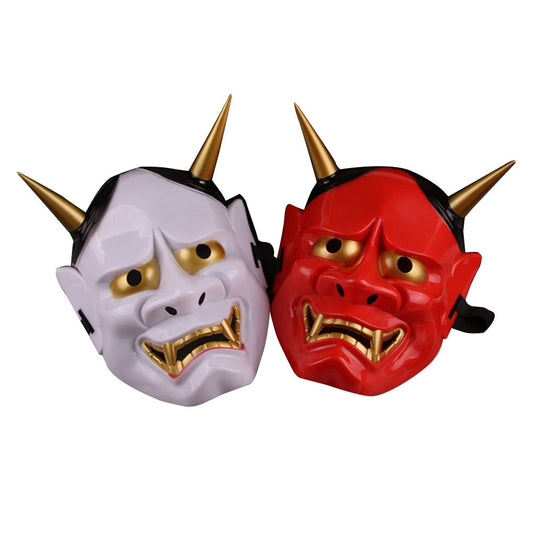
| Japanese Hannya Mask |
Plastic · approx. 20 × 25 cm / 7.9 × 9.8 in · white or red |
A straightforward plastic Hannya option with two color variants |
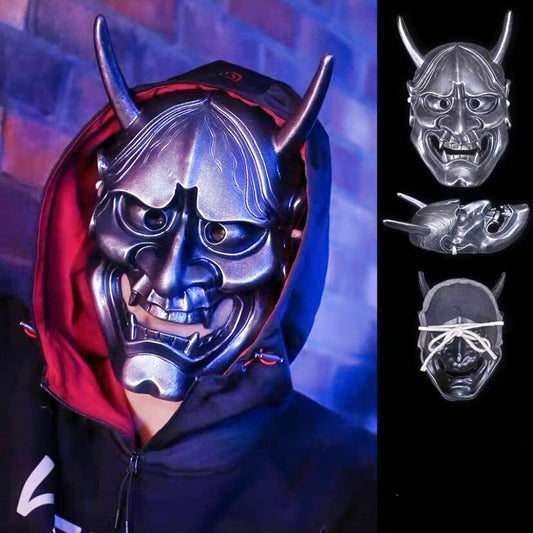
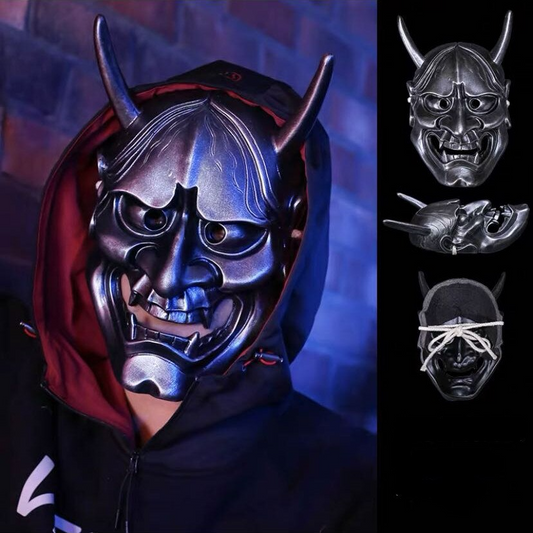
| Hannya Bronze Mask |
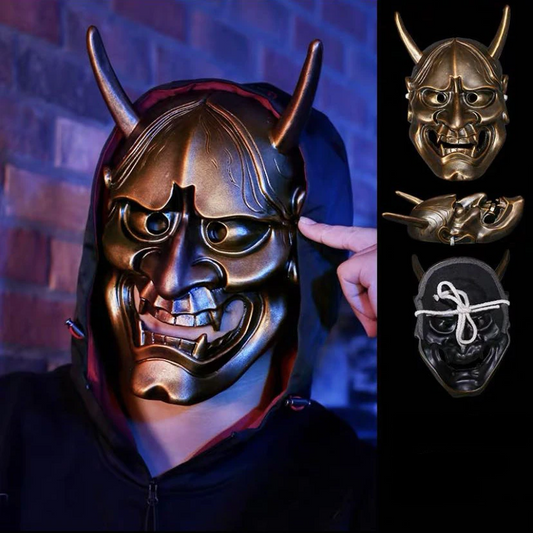
Plastic · bronze finish · dimensions not reliably stated |
A metallic-looking bronze direction for decor or costume styling |
| Japanese Hannya Grey Mask |
Grey finish · material and dimensions not reliably stated |
A subdued grey palette where shape and shadow matter more than bright color |
| Traditional Hannya Mask |
Latex · approx. 39 × 23 cm / 15.4 × 9.1 in · adjustable strap · black, blue or red |
A flexible costume-focused Hannya mask with multiple color choices |
| White Hannya Mask |
Glass fiber · white · listed head circumference 54-63 cm / 21.3-24.8 in |
A rigid white design with a useful stated fit range |
| LED Hannya Mask |
PVC · steady, slow-flash and fast-flash modes · powered by 2 AA batteries, not included |
An illuminated Hannya look for parties, night events, video and cosplay |
How to Choose a Hannya Mask
Start with how you plan to use the mask, then narrow the choice by construction, size, color and fit. A rigid fiberglass or glass-fiber shell keeps a fixed sculpt for display and photography, while latex is better suited to buyers who specifically want a flexible costume material. Plastic offers a simpler rigid option, and the LED mask is a separate choice for anyone who wants lighting to be part of the character.
-
For cosplay and costume wear: check eye alignment, fastening, overall coverage and how the mask works with your wig, hood, collar or glasses.
-
For photography: consider whether you want a bright color, a neutral finish that emphasizes shadow, a rigid sculpt that keeps its profile, or an illuminated LED design.
-
For display: rigid masks are easier to present with a fixed shape, but confirm the available dimensions before planning a stand, shelf or wall arrangement.
-
When exact fit matters: favor listings with actual measurements. The White Hannya Mask, for example, states a 54-63 cm (21.3-24.8 in) head-circumference range, while several other products do not provide enough fit data to make that promise.
Buyer tip: a product's exterior dimensions do not guarantee identical fit on every face. Hairstyle, head shape, strap position, glasses and costume layers can all change how a mask sits. Test visibility and normal head movement in a safe indoor setting before wearing any full-face mask in a crowd or low-light environment.
Plastic vs Latex vs Fiberglass vs LED Hannya Masks
Plastic Hannya Masks
The Japanese Hannya Mask and Hannya Bronze Mask are documented as plastic. Plastic makes sense when you want a rigid face shape without choosing the heavier-looking fiberglass direction. The 20 × 25 cm (7.9 × 9.8 in) Japanese Hannya Mask also gives you a useful size reference before purchase.
Latex Hannya Masks
The Traditional Hannya Mask is the clearly documented latex option. It measures approximately 39 × 23 cm (15.4 × 9.1 in), uses an adjustable strap and comes in black, blue and red. Choose latex when a flexible costume format matters more than maintaining the fixed shell shape of fiberglass.
Fiberglass and Glass-Fiber Hannya Masks
The Devil Hannya Mask - Fiberglass is a rigid fiberglass design with padding, an adjustable strap and metallic eye mesh. The White Hannya Mask is listed as glass fiber and provides a 54-63 cm (21.3-24.8 in) head-circumference range. These are the clearest choices when you want a hard-shell sculpt for photography, display or costume styling.
LED Hannya Masks
The LED Hannya Mask is made from PVC and adds steady, slow-flash and fast-flash lighting. It uses two AA batteries, which are not included. This is a style and electronics choice rather than a historical one. For long-term storage, remove the batteries and keep moisture away from the switch, wiring and battery compartment.
What Is a Hannya Mask?
A Hannya mask is one of the best-known masks used in Japanese Noh theatre. In Noh, the Hannya represents a woman whose jealousy, anguish and rage have transformed her into a demonic figure. That makes the Hannya more specific than a generic Japanese “demon mask.” It belongs to a theatrical tradition in which the mask helps communicate the character's emotional and supernatural state.
Traditional Noh Hannya masks were carved and painted as stage masks. The products sold in this collection are modern costume, cosplay, photography and decorative masks inspired by Hannya imagery. They should not be presented as antique Noh masks or museum reproductions unless an individual listing specifically documents that level of reproduction.
What Does a Hannya Mask Mean?
The core Hannya idea is transformation through overwhelming jealousy, resentment, anguish and rage. It is more complex than simply “evil.” The theatrical character begins as human, and the mask represents the destructive emotional transformation that has taken place. In modern art, tattoos, fashion and cosplay, Hannya imagery is also used more broadly for intensity, emotional conflict, danger or a dramatic Japanese-inspired visual identity. Those modern associations should not be treated as a single universal historical code.
Why Does the Hannya Mask Look So Frightening?
The horns, exposed teeth, tense mouth and fierce eyes make the face immediately readable from a stage or in a costume. That frightening appearance supports the character's transformation, but the story behind the mask is what gives the expression meaning. Reducing Hannya to “a scary female demon” misses the emotional conflict that made the mask important in Noh.
The Hannya Story in Noh
Hannya masks appear in famous Noh plays involving women transformed by jealousy or rage. Aoi no Ue, Kurozuka and Dōjōji are among the best-known examples associated with Hannya masks. The exact role and performance context matter, which is why historical Hannya should be understood through Noh rather than treated as a single folklore creature with one fixed backstory.
What Do Hannya Mask Colors Mean?
Color has real stage context in Noh, but internet color charts often make the system sound more rigid than it is. In three well-known plays, the Hannya color changes with the role: white in Aoi no Ue is associated with the noble Lady Rokujō, black in Kurozuka emphasizes darkness, and red in Dōjōji intensifies passion and rage.
That does not mean every modern white, red or black Hannya mask carries one mandatory meaning. Likewise, the bronze, grey and blue products in this store should be treated as modern visual styling unless the individual product documents a specific theatrical reference.
-
White: useful for a more traditional-looking or high-contrast Hannya presentation.
-
Red: visually aggressive and especially strong for dramatic costume photography.
-
Black: darker and more severe, particularly effective in high-contrast styling.
-
Bronze: a modern metallic-looking decorative direction.
-
Grey: a modern neutral direction that lets shape and shadow do more of the visual work.
-
Blue: a modern fantasy color option on the latex Traditional Hannya Mask.
Hannya vs Oni: What Is the Difference?
Hannya and Oni are not the same thing. Hannya is a specific mask and character type from Noh theatre, associated with a woman transformed by destructive emotion. Oni are supernatural beings from Japanese folklore and appear across stories, festivals, art and popular culture. Modern costume masks can borrow visual features from both, so horns and fangs alone do not make the categories historically interchangeable.
If you want a broader demon and ogre-inspired selection, compare the Oni Masks collection. If illumination is the main feature you want, browse the Japanese LED Masks collection. For fox imagery rather than Hannya or Oni, see the Kitsune Mask collection, or browse the wider Japanese Mask collection.
Hannya Masks for Cosplay, Photography and Display
For cosplay, build the costume around the mask rather than forcing every Japanese-inspired element into one outfit. A Hannya face is already visually strong. Neutral clothing, a controlled color palette and one or two supporting accessories often produce a cleaner result than mixing Hannya, Oni, Kitsune and samurai motifs without a reason.
For photography, test the mask under the lighting you actually plan to use. White surfaces can pick up surrounding color, grey emphasizes contour and shadow, glossy or metallic-looking finishes can reflect directional light, and LED masks require exposure that preserves the illuminated pattern rather than blowing it out into a bright patch.
For display, check depth as well as height and width. Rigid fiberglass and plastic masks hold a fixed profile, while flexible latex should be supported so the sculpted face is not flattened during long-term storage.
Care and Storage
-
Latex: keep it cool, dry and away from prolonged sunlight or high heat. Store it supported rather than tightly folded or crushed.
-
Fiberglass and glass fiber: protect the rigid shell from drops, hard impacts and pressure on raised details. Use gentle cleaning around painted surfaces.
-
Plastic: wipe gently with a soft cloth and avoid aggressive solvents or abrasive cleaning unless the product instructions specifically allow them.
-
LED/PVC: do not immerse the mask in water. Keep moisture away from electronics and remove the AA batteries for long-term storage.
Safety: the products in this collection are sold as costume, cosplay or decorative masks. Do not treat them as certified eye, face, airsoft, paintball, motorcycle, ballistic, tactical or industrial protective equipment unless a specific product has independent testing and documentation for that purpose.
Hannya Mask FAQs
What is a Hannya mask?
A Hannya mask is a mask used in Japanese Noh theatre to portray a woman transformed by intense jealousy, anguish and rage. Modern Hannya masks also appear in cosplay, art, tattoos and decorative design.
What does a Hannya mask symbolize?
Historically, the Hannya expresses a character transformed by jealousy, resentment, anguish and rage. Modern uses can add broader ideas such as emotional conflict, intensity or danger, but those modern associations are not one fixed historical code.
Is a Hannya mask the same as an Oni mask?
No. Hannya belongs to Noh theatre and represents a specific transformed female character type. Oni are supernatural beings from Japanese folklore. Modern mask designs can visually overlap, but the traditions are different.
What do white, red and black Hannya masks mean?
Noh uses color in relation to a specific role and play. Well-known examples include white for the noble Lady Rokujō in Aoi no Ue, black for darkness in Kurozuka, and red for passion in Dōjōji. Modern masks should not be forced into a universal color chart.
Which Hannya mask is best for cosplay?
Choose by the wearing experience you want. The latex Traditional Hannya Mask is the documented flexible option, the fiberglass Devil Hannya Mask offers a rigid sculpt with padding and an adjustable strap, and the LED Hannya Mask is the choice when illumination is part of the costume.
What is the difference between latex and fiberglass Hannya masks?
Latex is flexible and better suited to buyers who want a flexible costume format. Fiberglass is rigid and keeps a fixed sculpt, which can be useful for photography and display. Fit still depends on the individual product, so compare the stated dimensions and fastening details.
Does the LED Hannya Mask need batteries?
Yes. The current LED Hannya Mask listing states that it uses two AA batteries and that the batteries are not included. It offers steady, slow-flash and fast-flash lighting modes.
Are these Hannya masks protective equipment?
No. They are sold as costume, cosplay, photography or decorative masks. A rigid shell, eye mesh or full-face shape does not make a mask certified protective equipment.
Shop Hannya Masks
Compare the current Hannya masks by material, color, size, fit and intended use, then open the individual product page for the specifications that matter most to you.
Shop Hannya Masks

 Sale
Sale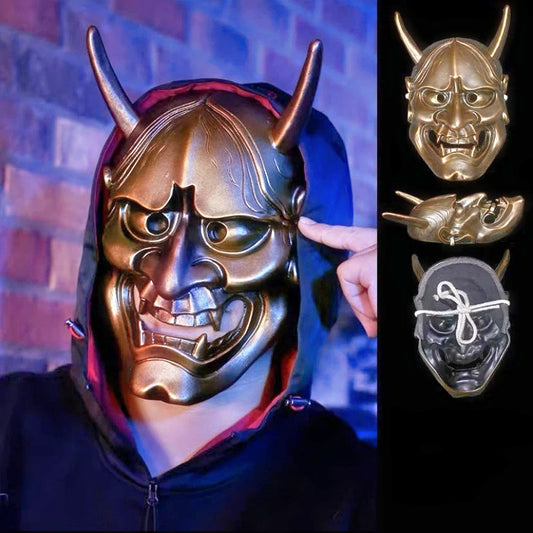
 Sale
Sale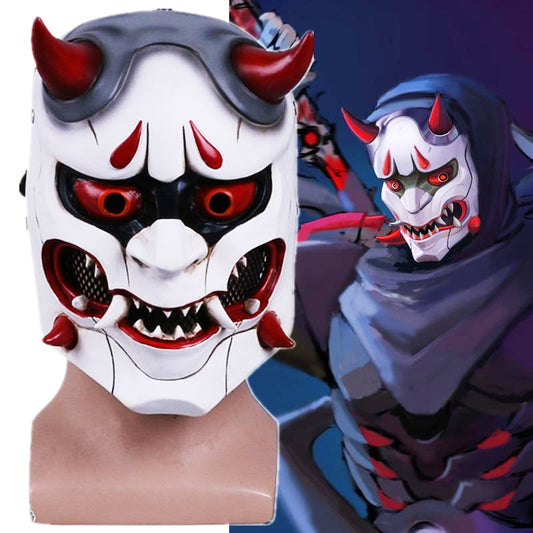
 Sale
Sale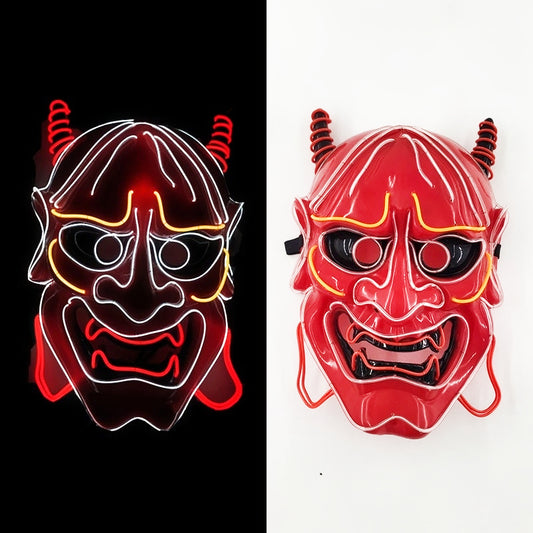
 Sale
Sale