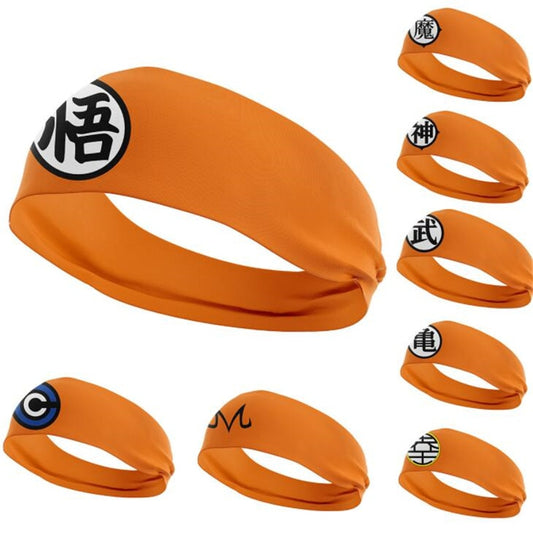
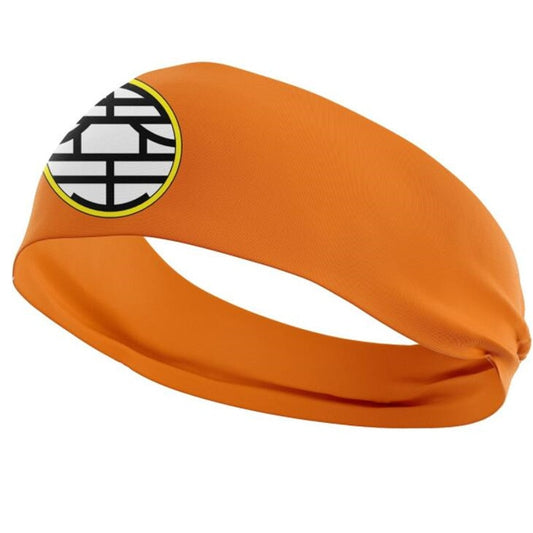
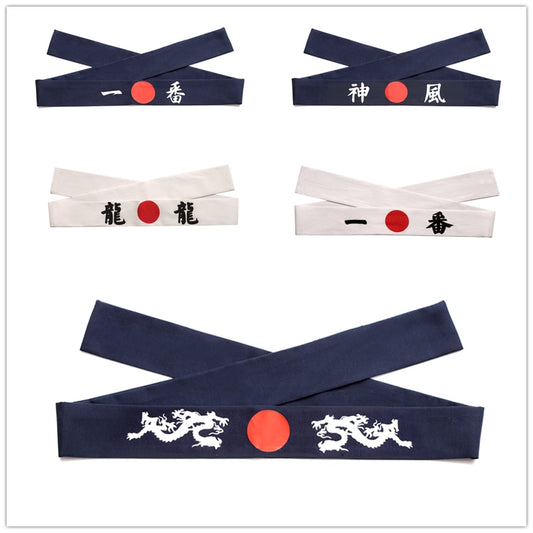
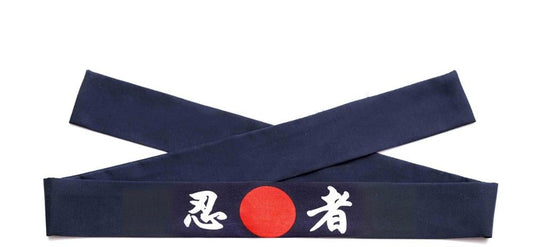
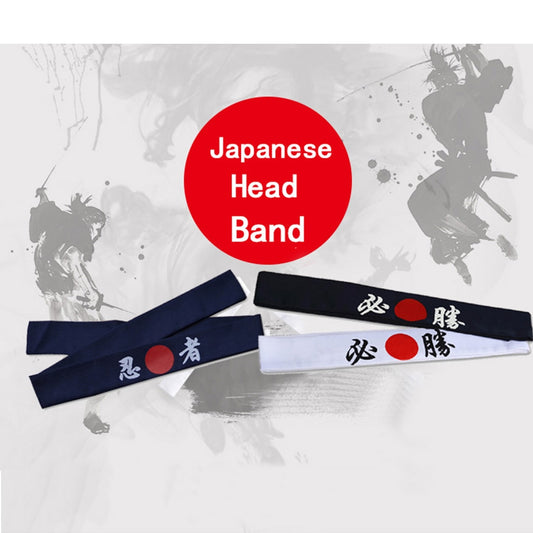
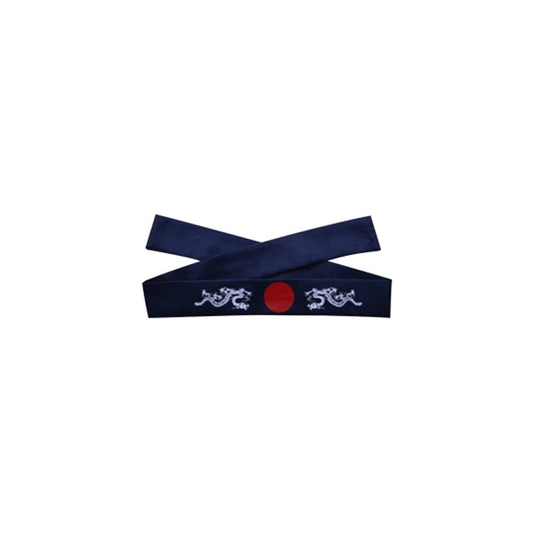
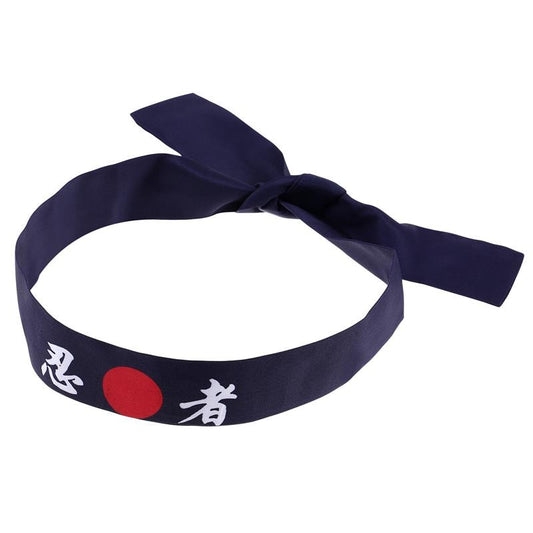
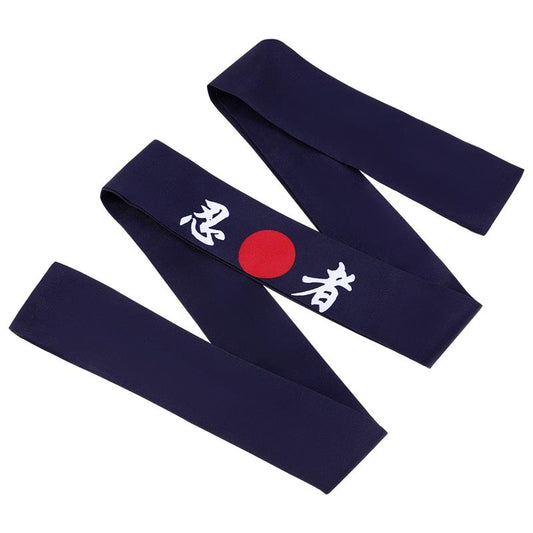
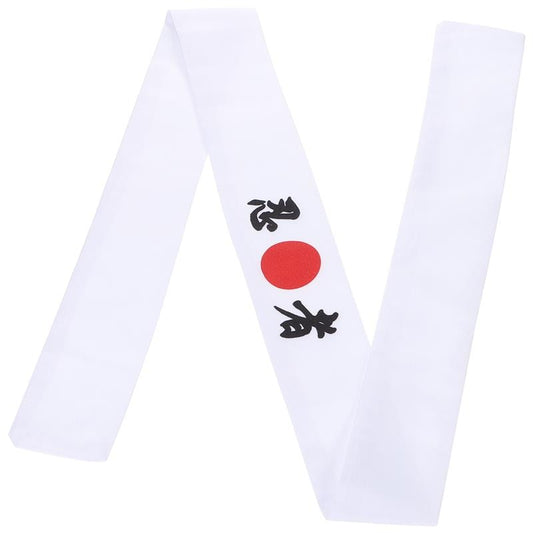
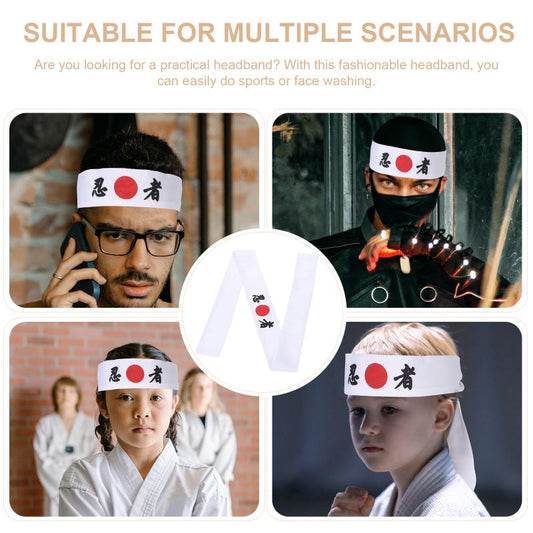
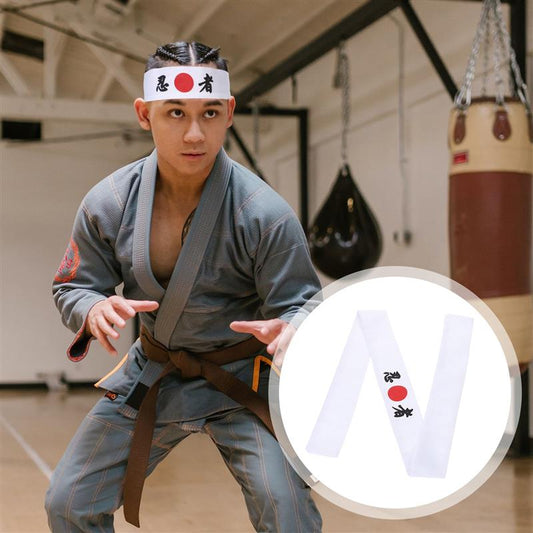
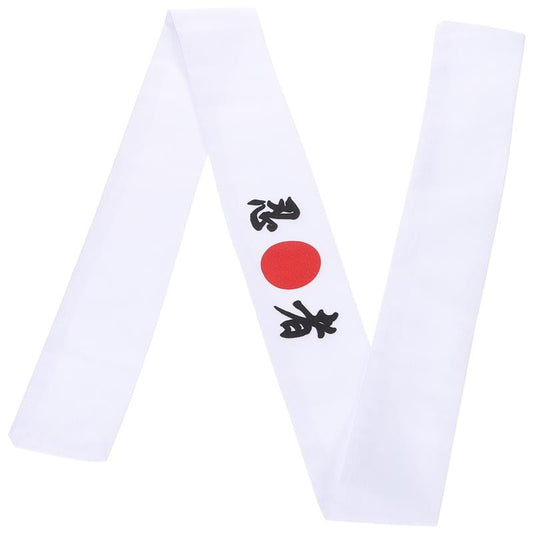
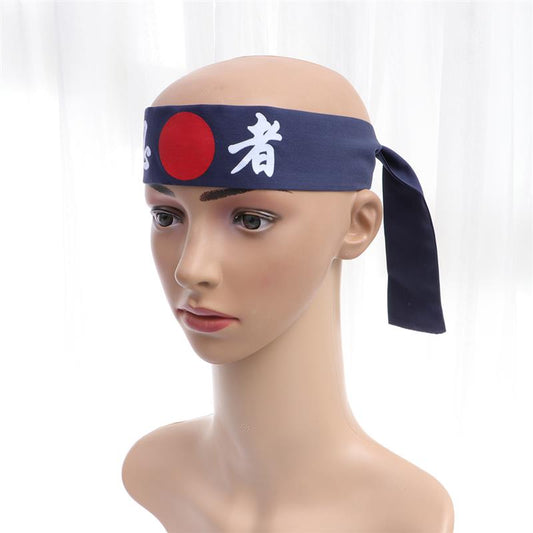
Shop Japanese headbands in hachimaki-inspired, martial arts, athletic, festival, food-service and fashion styles. This collection includes both cloth tie headbands and modern stretch or fashion headbands, so not every product should be described as one traditional Japanese headwear type.
Materials, width, stretch, closures and sizing vary by product. Use the exact listing for fabric, measurements and construction rather than assuming every Japanese headband is cotton, adjustable or made in Japan.
Jump to: styles · hachimaki · how to choose · fit · uses · care · FAQs
Japanese Headband Styles
| Style |
What to compare |
| Hachimaki-inspired tie bands |
Length, width, printed text or symbols and tie method |
| Martial arts and athletic styles |
Stretch, sweat management, width and secure fit |
| Festival and themed headbands |
Artwork, tie style and outfit compatibility |
| Food-service inspired bands |
Width, tie security and whether the product is intended as costume or practical headwear |
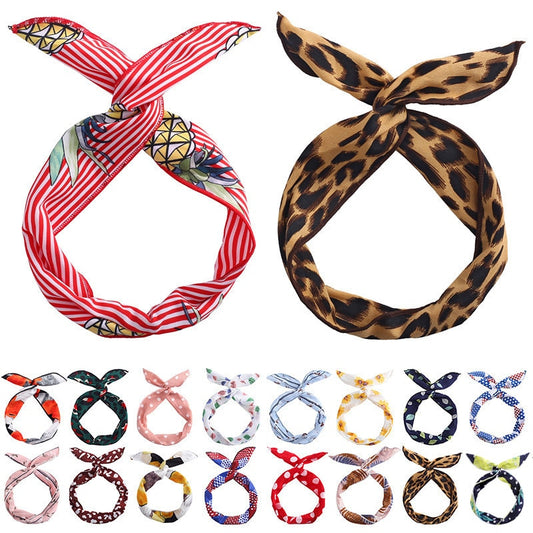
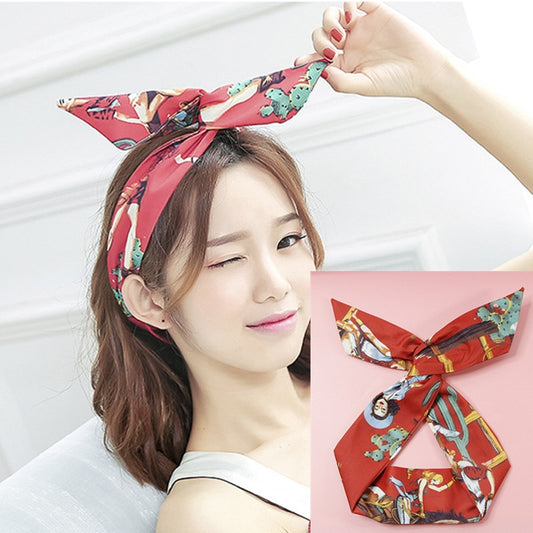
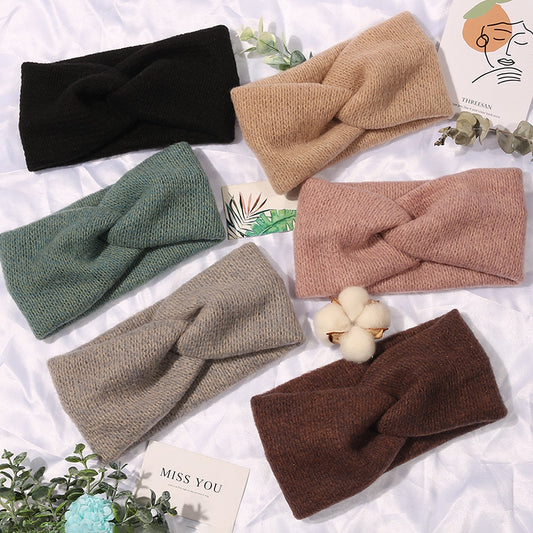
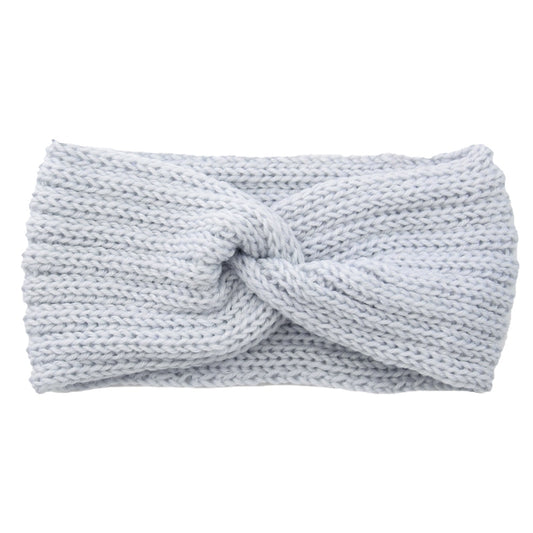
| Modern fashion headbands |
Stretch, knitted construction, ear or bow details and casual styling |
What Is a Hachimaki?
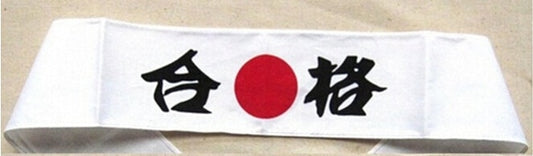
A hachimaki is a Japanese cloth headband traditionally tied around the forehead or head. It is associated with effort, determination, group identity, festivals, work, sports and other social or ceremonial contexts.
Modern retail headbands may borrow the hachimaki look without being historically traditional. A stretch knit band, bunny-ear fashion headband or novelty design should not automatically be labeled a hachimaki.
What Do Japanese Headband Symbols Mean?
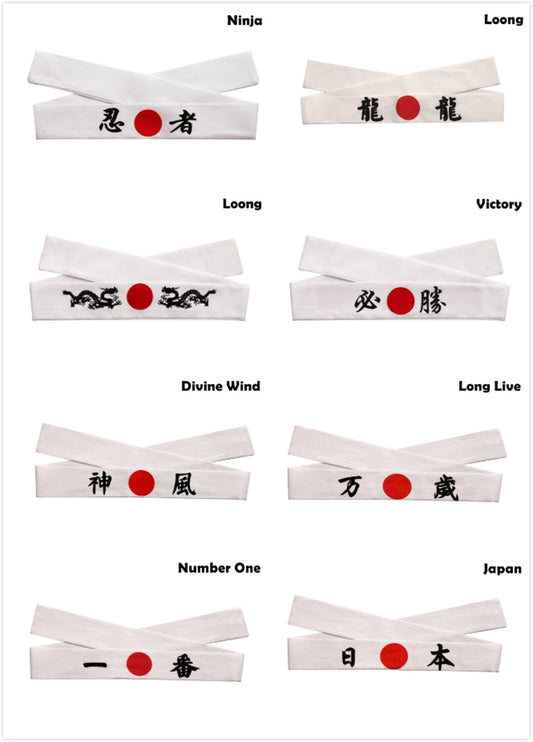
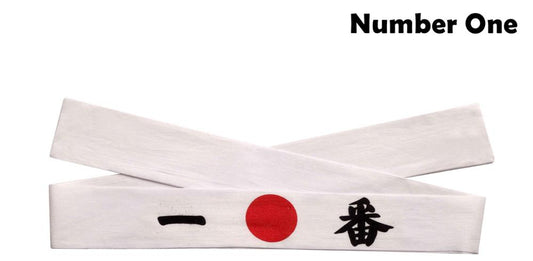
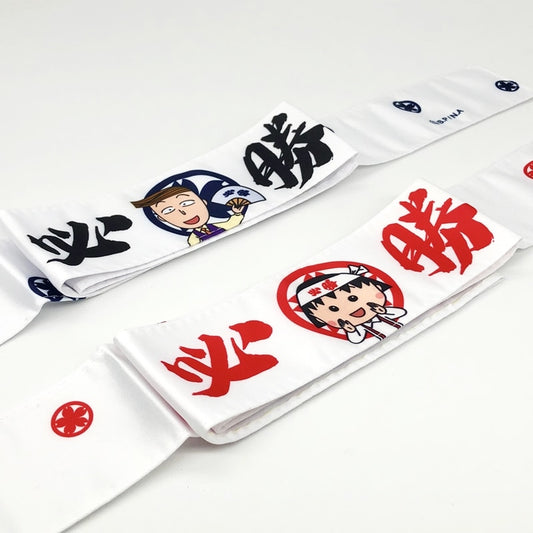
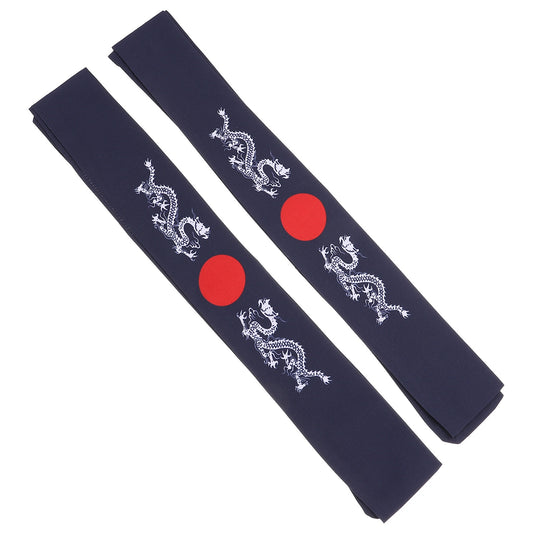
Some hachimaki-style bands use Japanese writing, rising-sun imagery, motivational words or other symbols. Meaning depends on the exact characters and design. Do not assume every printed band carries the same message.
If the wording matters to you, verify the exact Japanese text on the product image or listing rather than relying on a generic collection description.
How to Choose a Japanese Headband
-
Choose tie vs stretch construction. Tie bands give more manual adjustment, while elastic or knitted bands depend more on circumference and stretch.
-
Check the width. Narrow athletic bands and wide fashion bands create very different fits and looks.
-
Check the material. Cotton, synthetic, knit and blended fabrics can differ in stretch, absorbency and care.
-
Check the graphic or text. Make sure the Japanese characters or artwork match the look and meaning you want.
-
Choose for the actual use. Martial arts practice, costume wear, festivals, workouts and casual styling have different fit needs.
Japanese Headband Fit and Sizing
There is no universal collection-wide size. Tie-style headbands are usually adjusted by knot placement, while elastic and knitted bands depend on their unstretched and stretched circumference.
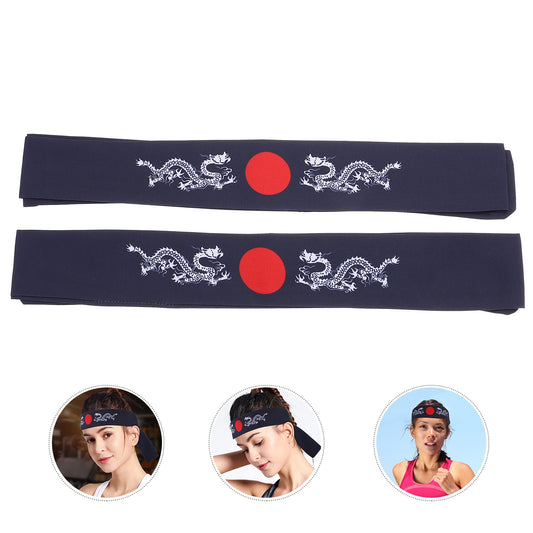
A headband should feel secure without causing uncomfortable pressure. For athletic use, it should stay in place during movement. For a traditional hachimaki-style tie, leave enough length to form a secure knot without excessive loose fabric.
Fit tip: check the exact length, width or circumference on the product page instead of assuming one headband fits every adult or child.
How Japanese Headbands Are Worn
Festival and Japanese-Inspired Outfits
Hachimaki-style bands can be used with festival clothing, cosplay and Japanese-inspired outfits. For broader traditional-inspired clothing, browse the Japanese Kimono collection.
Martial Arts and Training
Some products are styled for martial arts or athletic use. The collection name does not make them protective sports equipment, and suitability for training depends on fabric, fit and the rules of the activity.
Casual Fashion
Modern knitted or decorative headbands can be paired with Japanese T-Shirts, Japanese Pants and other streetwear pieces.
Are These Traditional Japanese Headbands?
Some products are clearly hachimaki-inspired, while others are modern athletic or fashion headbands. Do not assume every item is historically traditional, handmade, made in Japan or used in one specific cultural context.
What Affects Japanese Headband Prices?
Use the live product card for current pricing because prices and promotions can change. Differences can reflect construction, fabric, print, width, stretch and decorative details.
Japanese Headband Care
- Follow the care instructions for the exact fabric.
- Do not assume every headband should be hand-washed or machine-washed the same way.
- Use lower heat cautiously with elastic, printed and synthetic fabrics.
- Untie cloth bands before washing to reduce creasing around the knot.
- Dry printed headbands away from harsh heat when the care instructions recommend it.
Japanese Headband FAQs
What is a Japanese hachimaki?
A hachimaki is a Japanese cloth headband tied around the head and associated with determination, festivals, work, sports and group identity.
Are all Japanese headbands hachimaki?
No. This collection also includes modern athletic, knitted and fashion headbands.
What are Japanese headbands made from?
Materials vary by product. Check the exact listing for cotton, synthetic, knit or blended construction.
How do I tie a hachimaki-style headband?
Place the band around the forehead or head and tie it securely, usually at the back. It should stay in place without uncomfortable pressure.
Can I wear a Japanese headband for martial arts?
Some products are styled for martial arts or training, but check fit, fabric and the rules of your activity before use.
Are these headbands made in Japan?
Do not assume Japanese manufacture from the collection name. Check the exact product listing for origin information.
Shop Japanese Headbands
Compare headbands by tie or stretch construction, width, material, printed design, fit and intended use. For Japanese-inspired clothing to pair with them, browse Japanese T-Shirts.