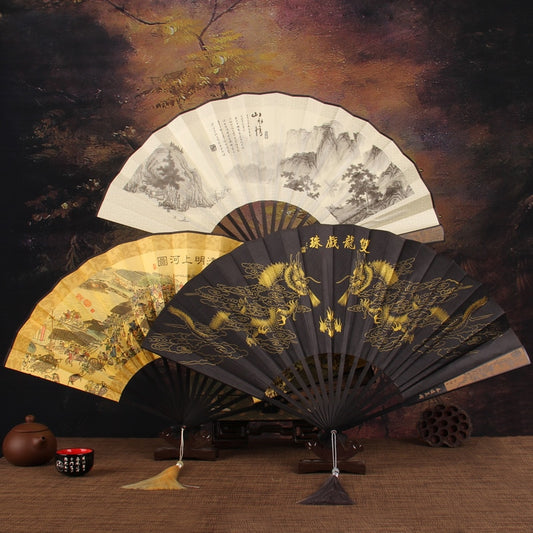
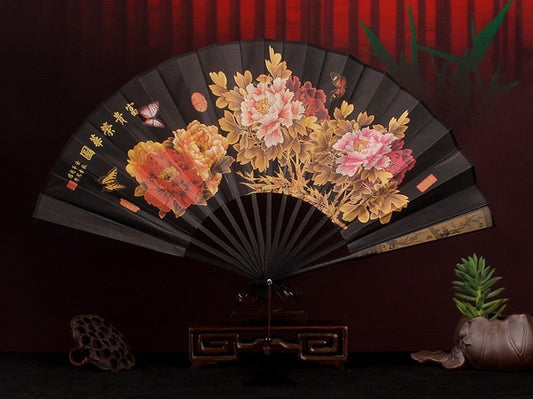
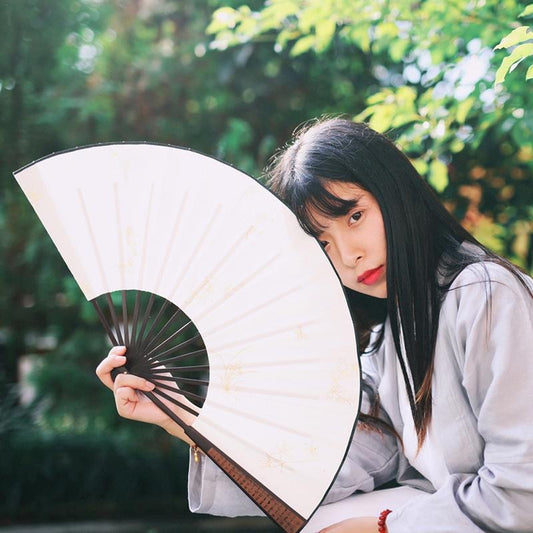
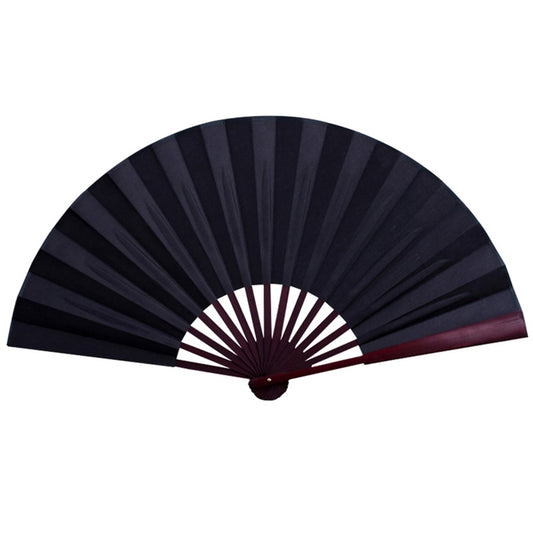
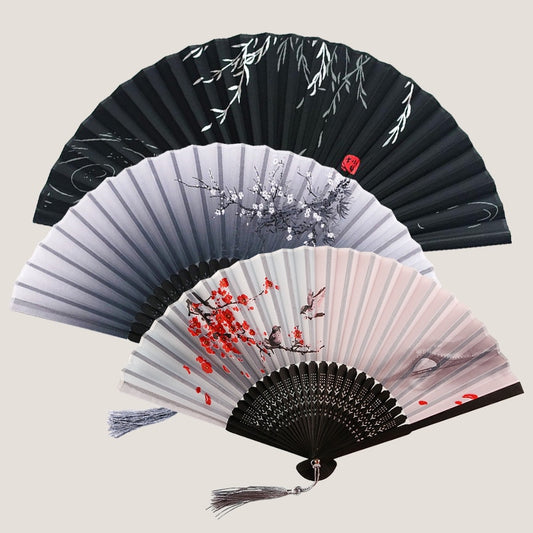
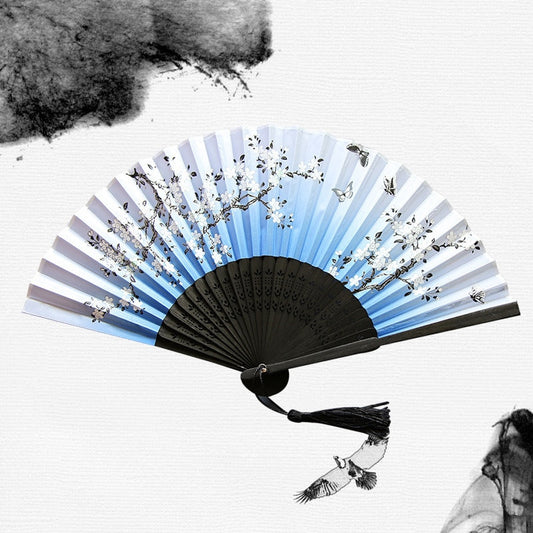
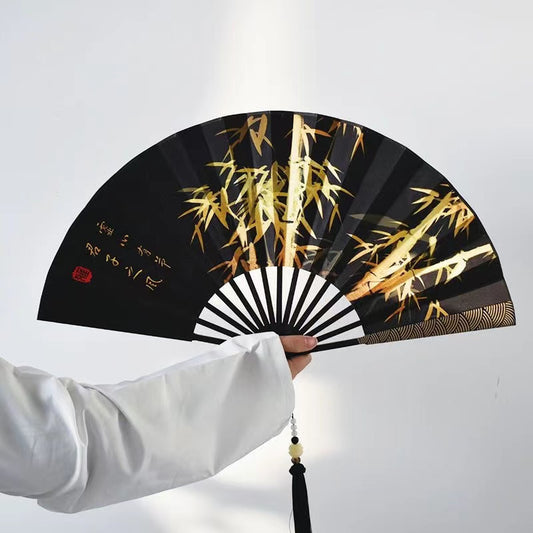
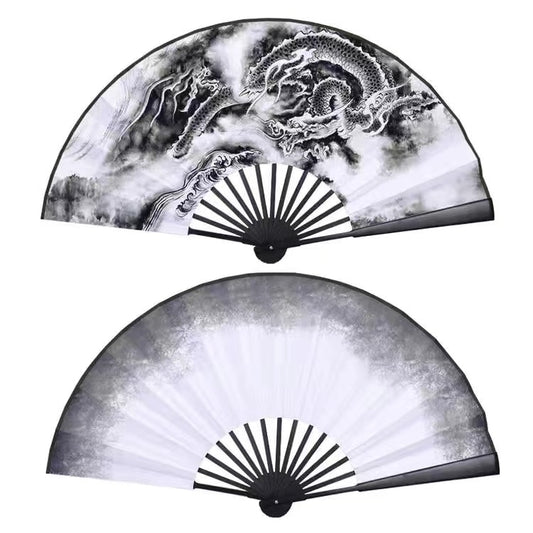
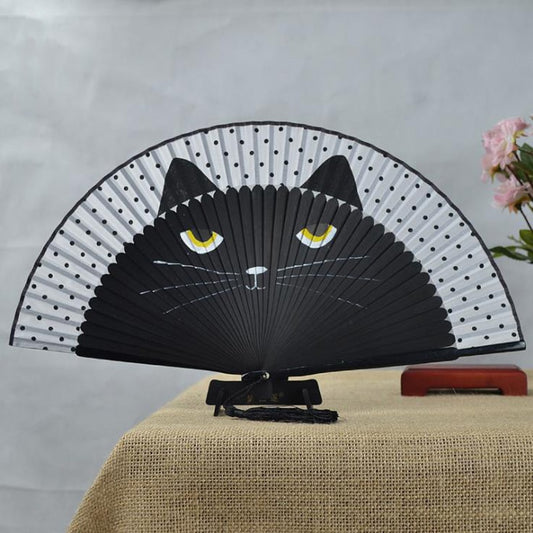
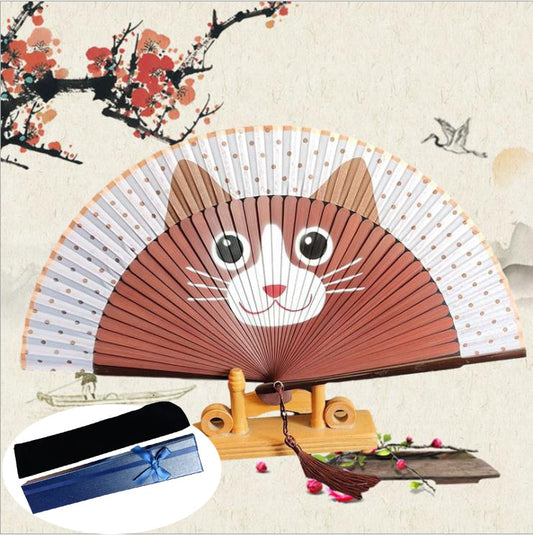
Shop Japanese hand fans and Japanese-inspired folding fans in bamboo-style, wood, cloth, feather, lace, plastic and decorative designs. The collection includes both practical folding fans and modern costume or fashion styles, so not every product should be described as a traditional Japanese sensu.
Materials, size, rib construction, fabric, tassels, cases and intended use vary by product. Do not assume every fan is handmade in Japan, made from bamboo and paper, traditionally crafted, suitable for ceremonial use or designed for the same level of daily cooling.
Jump to: fan types · sensu context · how to choose · size · materials · uses · care · FAQs
Japanese Hand Fan Styles
| Style |
What to compare |
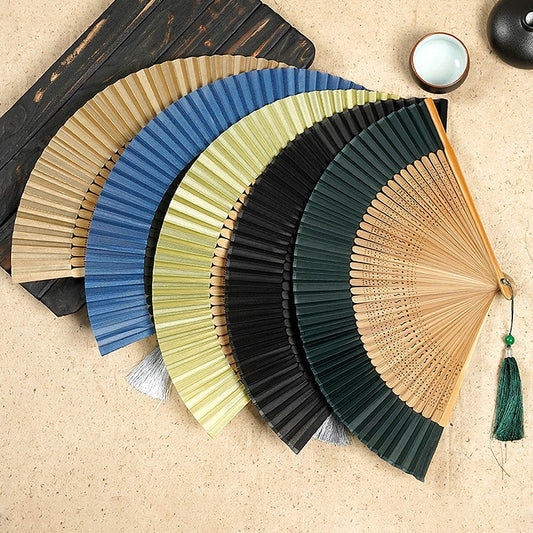
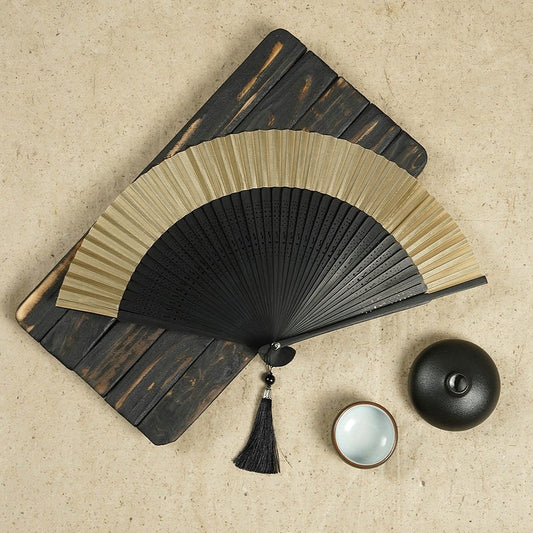
| Bamboo or wood-style folding fans |
Rib material, span, leaf fabric or paper, hinge strength |
| Cloth and silk-style fans |
Actual fiber content, drape, print, edge finish |
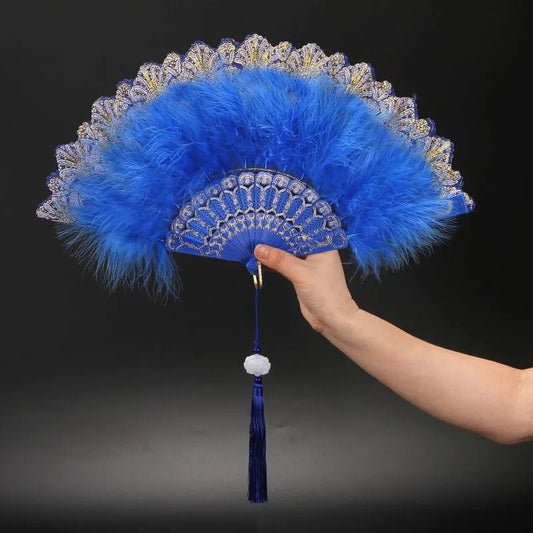
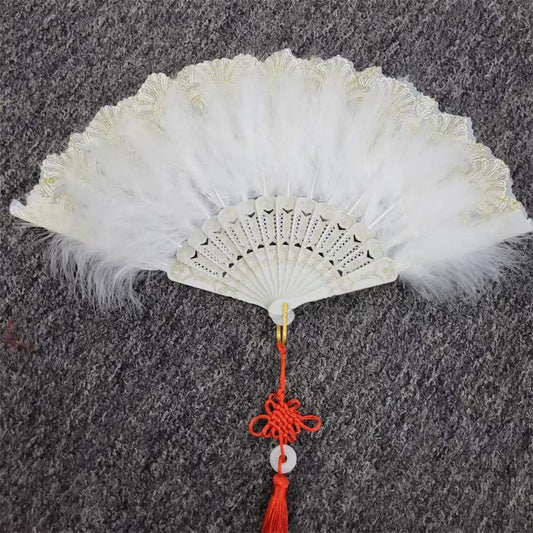
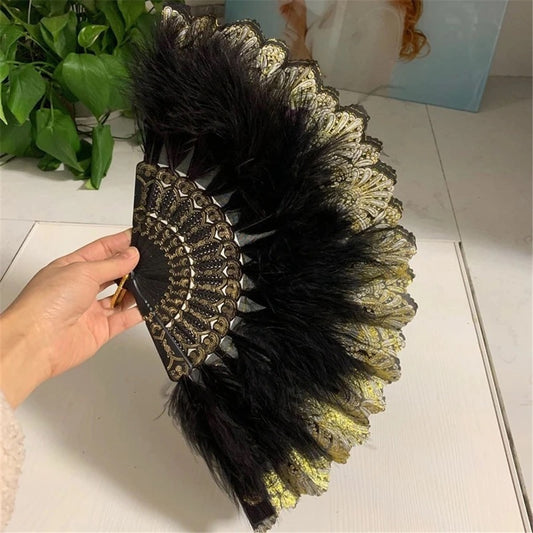
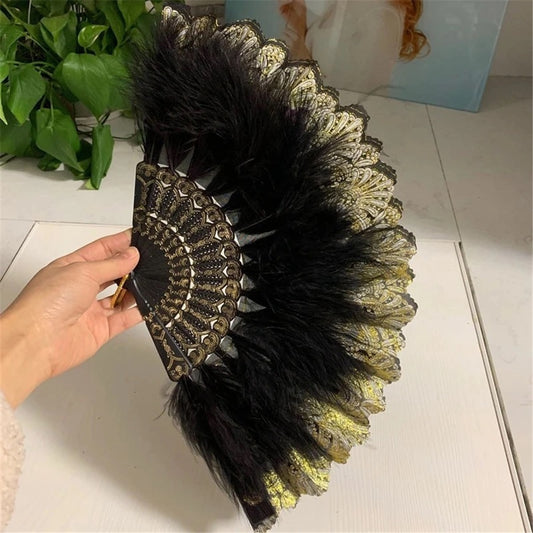
| Feather fans |
Feather coverage, width, pendant or tassel details, costume use |
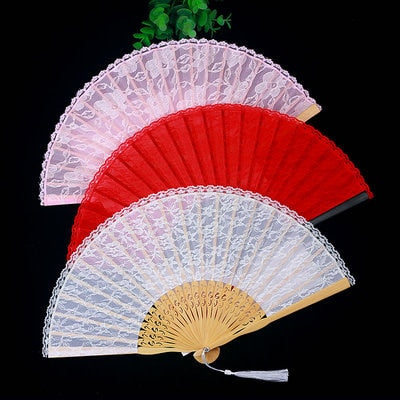
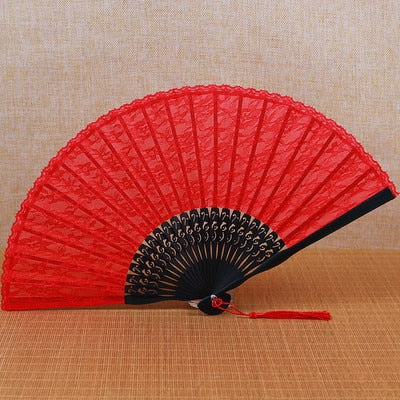
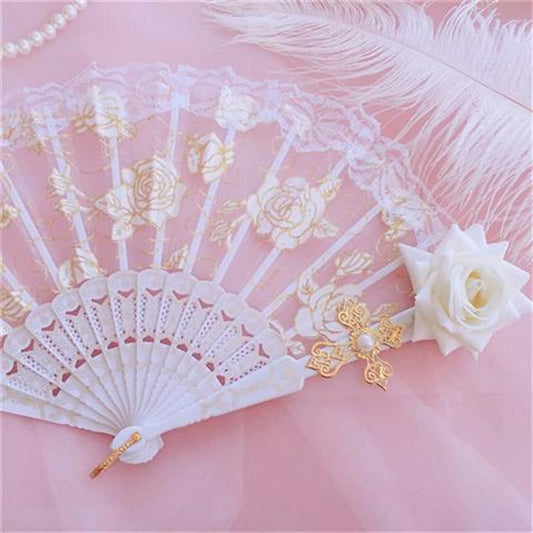
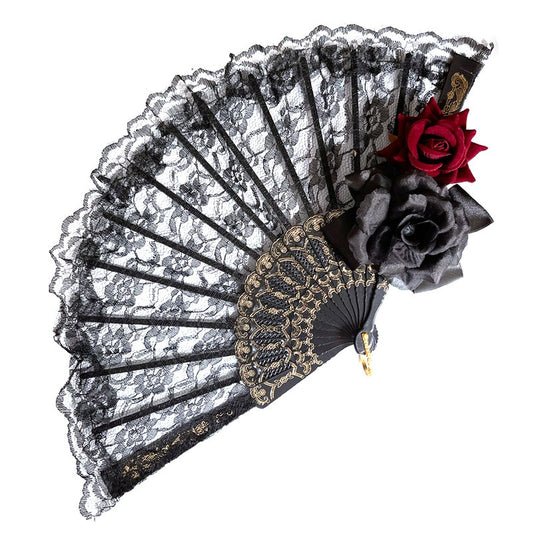
| Lace and decorative fans |
Openwork design, delicacy, display vs regular use |
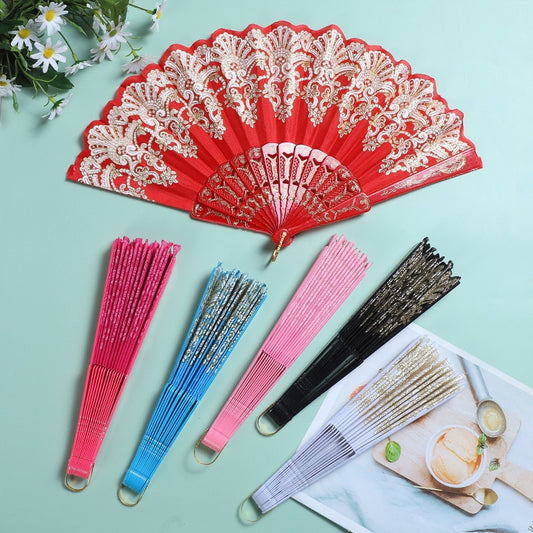
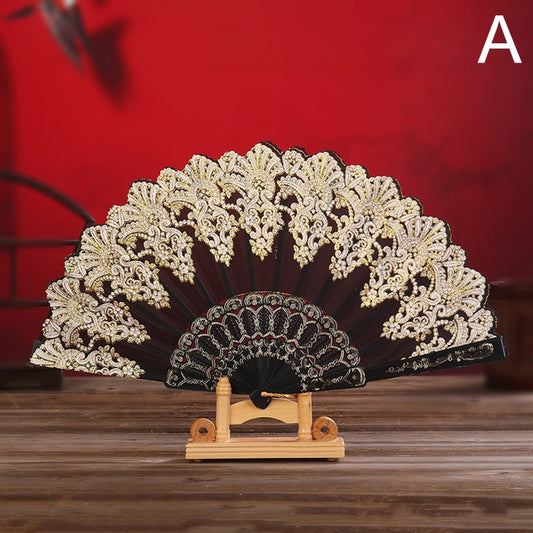
| Plastic and novelty fans |
Weight, durability, printed design and everyday practicality |
What Is a Sensu?
Sensu is a Japanese term for a folding fan. Folding fans have a long history in Japan and have been used for practical cooling, performance, ceremony, fashion and decorative purposes in different contexts.
Modern retail fans can borrow the shape or visual style of Japanese sensu without being historical reproductions or traditionally made objects. A feather, plastic or novelty fan should not automatically be presented as a traditional Japanese sensu.
How to Choose a Japanese Hand Fan
-
Choose by purpose first. Cooling, dance, costume, display and gifting can require different fan shapes and materials.
-
Check the open span. A wider fan moves more air but may be bulkier when opened.
-
Check the folded length. This matters if you plan to carry the fan in a handbag, case or pocket.
-
Verify the rib material. Bamboo, wood, plastic and mixed constructions differ in weight and flexibility.
-
Verify the fan leaf. Paper, cloth, synthetic fabric, lace and feather materials require different care.
-
Check decorative additions. Tassels, pendants and loose feathers can make a fan better suited to display or costume use than frequent daily handling.
Japanese Hand Fan Size
Fan dimensions vary across the collection. Some listings use folded length, some use open width, and some provide both. Compare the actual product dimensions rather than assuming one standard Japanese fan size.
Size tip: for everyday cooling, compare both the open span and folded length. For dance or costume use, also consider how the fan looks relative to your hand and outfit.
Japanese Hand Fan Materials
The live assortment uses a mix of material descriptions, including bamboo-style ribs, wood, plastic, cloth, silk-style fabric, lace and feather designs. The product title alone does not prove the exact composition.
In particular, “silk” and “silk-style” should not be treated as interchangeable, and a bamboo appearance does not automatically prove solid bamboo construction. Use the exact product specification for material claims.
Ways to Use Japanese Hand Fans
Cooling in Warm Weather
A folding fan can create airflow when waved by hand. Cooling effectiveness depends on fan size, stiffness and construction, so highly decorative feather or lace fans may perform differently from broader practical folding fans.
Dance and Performance
Fans are used in different forms of Japanese performance and dance, but a retail fashion fan is not automatically stage-grade or appropriate for a specific traditional discipline. Check size, construction and the requirements of the performance.
Costume and Festival Styling
Decorative fans can complement kimono-inspired, festival or cosplay looks. For related clothing, compare the Japanese Kimono and Japanese Dresses collections.
Wall and Shelf Display
Fans with detailed prints or decorative ribs can also be displayed as small textile or wall accents. If display is the main goal, choose by artwork and open span rather than portability.
Japanese Fan Motifs and Designs
Modern hand fans can feature dragons, flowers, cats, landscapes, birds, abstract patterns and other Japanese-inspired imagery. Symbol meanings vary by design and context, so avoid treating one flower, wave or dragon image as having a single universal meaning.
Are These Hand Fans Made in Japan?
Do not assume Japanese manufacture, handmade production or artisan origin from the collection name. Those claims should only be made when the individual listing documents them.
What Affects Japanese Hand Fan Prices?
Use the live product card for current pricing because prices and variants can change. Differences can reflect rib material, fan leaf material, size, print, tassels, packaging and decorative complexity.
Japanese Hand Fan Care
- Open and close folding fans gently rather than forcing the ribs.
- Keep paper and delicate cloth fans away from unnecessary moisture.
- Do not use the same cleaning method on paper, lace, feather and plastic fans.
- Dust decorative fans with a soft dry cloth or very soft brush when appropriate.
- Store the fan closed and dry when not in use unless it is displayed open.
- Keep feather and tassel designs away from crushing during storage.
Japanese Hand Fan FAQs
What is a Japanese sensu?
Sensu is a Japanese term for a folding fan. Modern retail fans may be sensu-inspired without being traditional reproductions.
What are Japanese hand fans made from?
Materials vary and can include bamboo-style or wood ribs, plastic, cloth, paper, lace, feather and synthetic fabrics.
Can I use a Japanese hand fan for cooling?
Yes, but airflow depends on the fan’s size and construction. Decorative feather or lace styles may perform differently from broader practical fans.
Can I use one for Japanese dance?
Some may suit performance styling, but a fashion fan is not automatically appropriate for a specific traditional dance. Check the required fan type first.
Are the silk fans real silk?
Do not assume that from a product title alone. Check the exact fiber specification on the listing.
Are these fans made in Japan?
Do not assume Japanese manufacture from the collection name. Check the product page for origin information.
Shop Japanese Hand Fans
Compare fans by open span, folded length, rib material, fan leaf material, intended use and decorative details. For related Japanese-inspired headwear, browse Japanese Straw Hats.