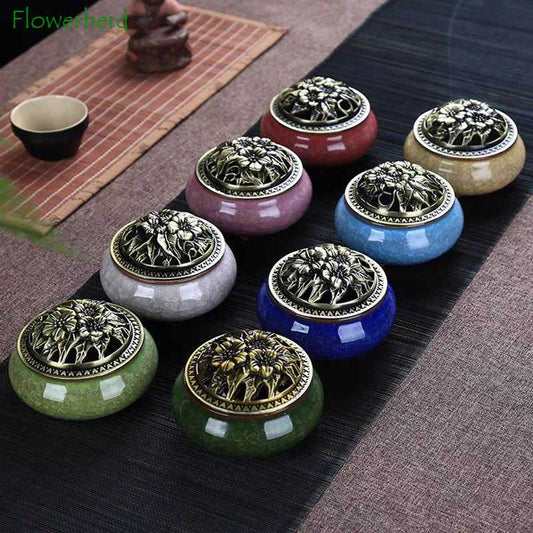
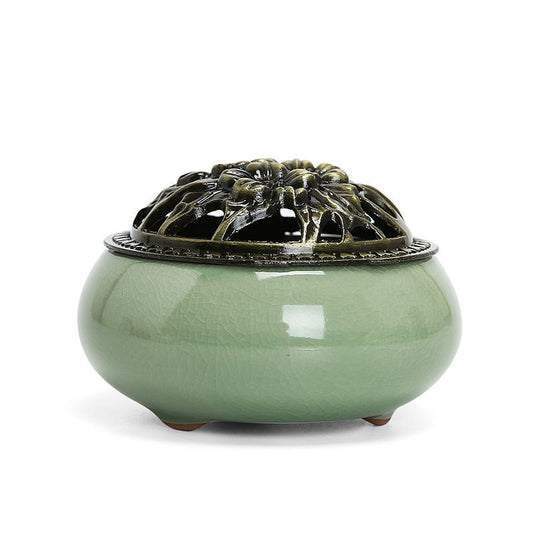
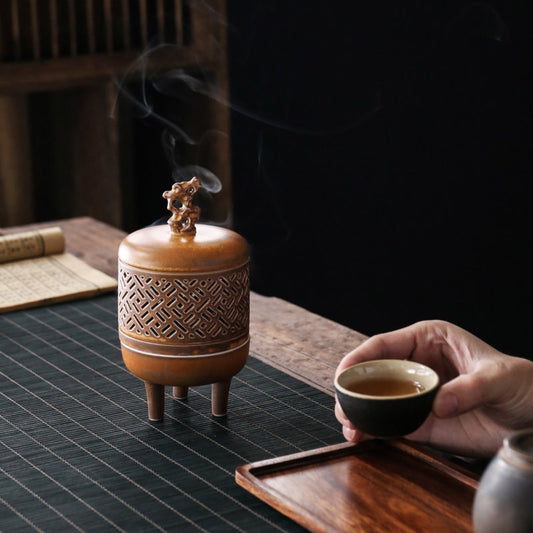
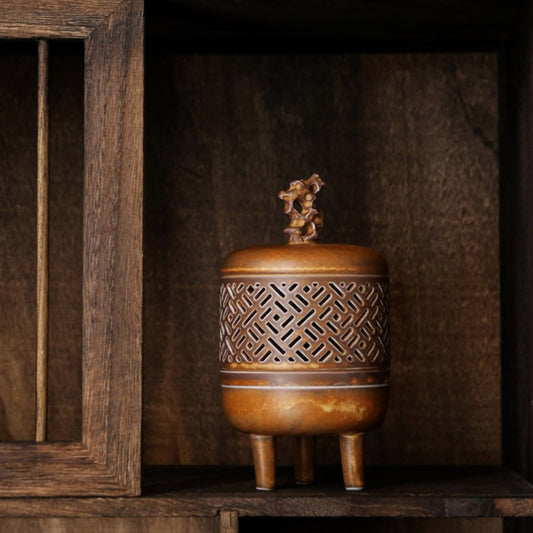
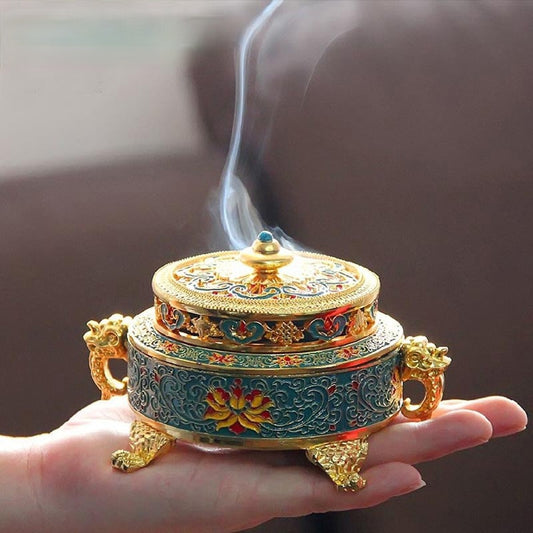
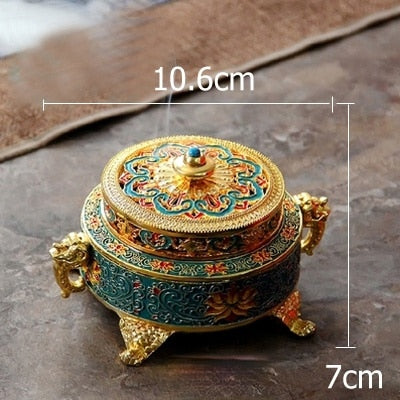
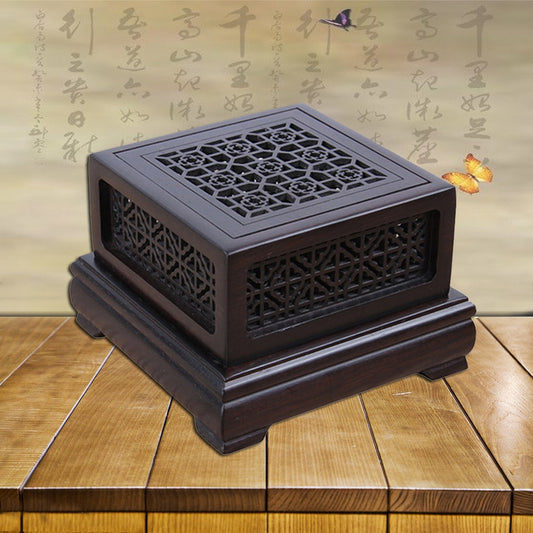
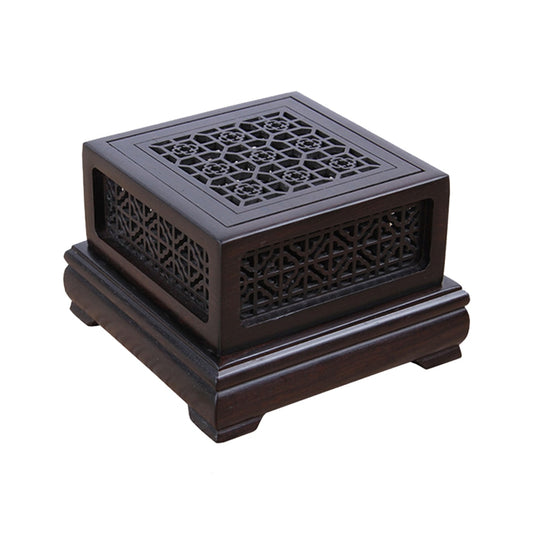
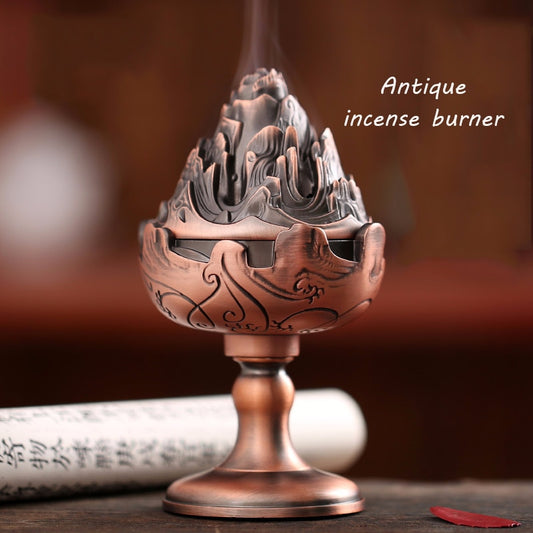
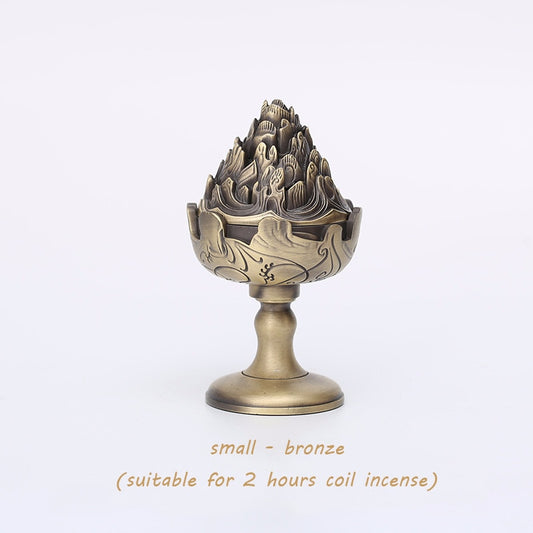
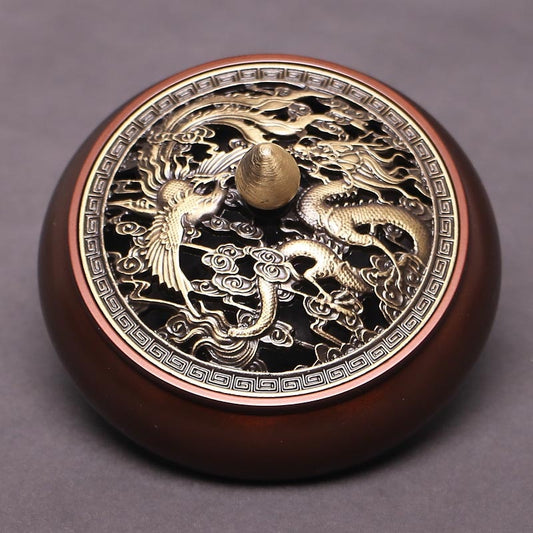
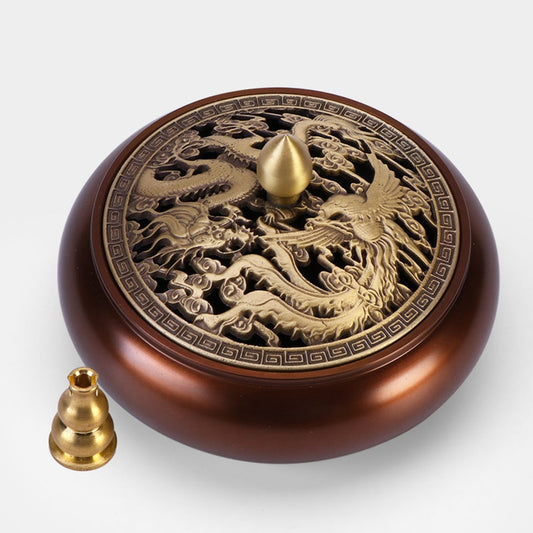
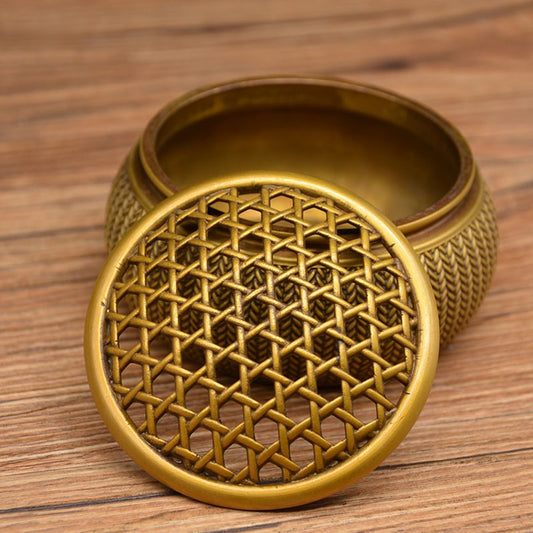
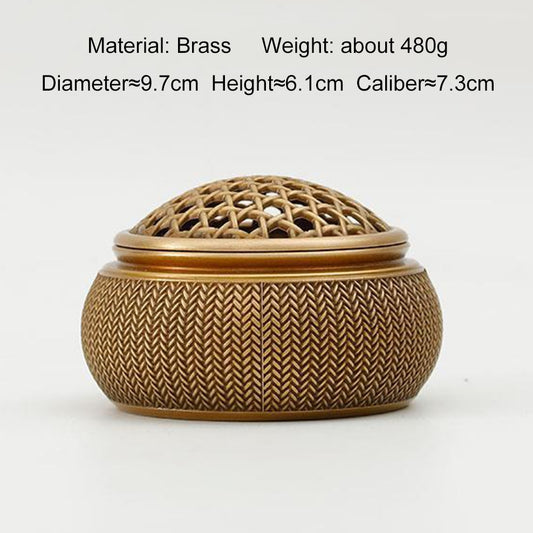
Shop Japanese incense burners and incense holders in ceramic, metal, copper/brass, alloy, wood-look and backflow designs. This collection is primarily about the burner or holder itself, so the key buying questions are material, size, compatible incense type, ash control and safe placement.
Some products use Japanese-inspired styling while others use broader Asian decorative motifs. Do not assume every burner is made in Japan, antique, handcrafted, shrine-used or tied to one specific historical tradition unless the individual product listing documents that provenance.
Jump to: burner types · how to choose · materials · backflow incense · placement · safe use · care · FAQs
Types of Japanese Incense Burners
| Type |
What to check |
| Ceramic burner |
Opening size, ash area, glaze, lid clearance and whether it suits sticks or cones |
| Metal burner |
Weight, finish, heat transfer, ventilation and stability |
| Backflow burner |
Compatibility with backflow cones, smoke channels and residue cleanup |
| Stick holder |
Hole diameter, stick angle and whether the base catches falling ash |
| Lidded decorative burner |
Internal clearance, ventilation openings and safe fit for the incense format |
How to Choose an Incense Burner
-
Start with the incense format. Sticks, standard cones and backflow cones are not automatically interchangeable.
-
Check the dimensions. Decorative photos can make compact burners look much larger than they are.
-
Check ash control. The holder should give enough room to catch ash from the incense you use.
-
Check the material. Ceramic, metal, alloy and wood-look designs differ in weight, heat behavior and cleaning.
-
Check what is included. Do not assume incense cones, sticks, trays or tools are included unless the product listing says so.
-
Check the surface below. Use a stable, heat-resistant, non-flammable surface.
Incense Burner Materials
Ceramic
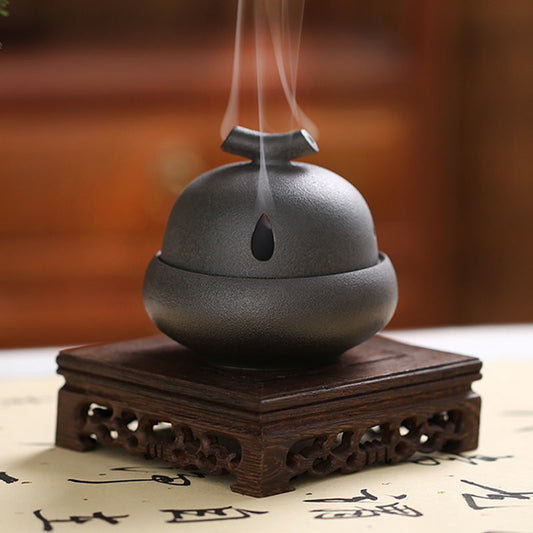
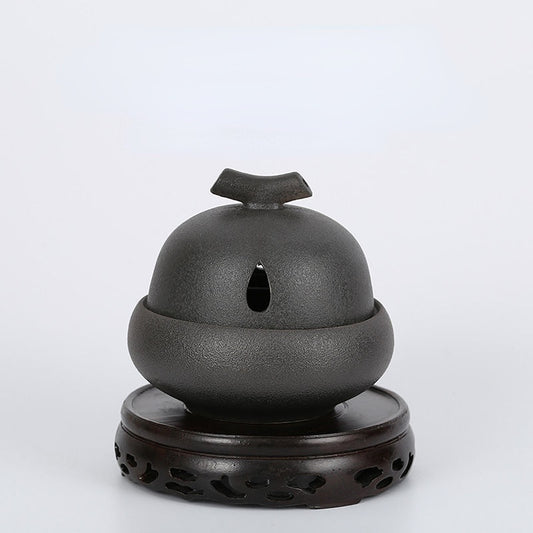
Ceramic is common in decorative incense burners. It gives a rigid shape and can work well with glazed finishes, but it can chip or break if dropped. Allow hot ceramic to cool before handling.
Copper, Brass and Alloy
Metal burners can be heavier and visually more traditional, but metal conducts heat. A brass-look or copper-colored surface does not automatically prove solid brass or solid copper, so use the exact product specification.
Wood and Wood-Look Holders
Wood-labeled holders require extra care around heat and embers. Do not assume a specific wood species from appearance alone, and follow the individual product instructions for compatible incense and cleaning.
What Is a Backflow Incense Burner?
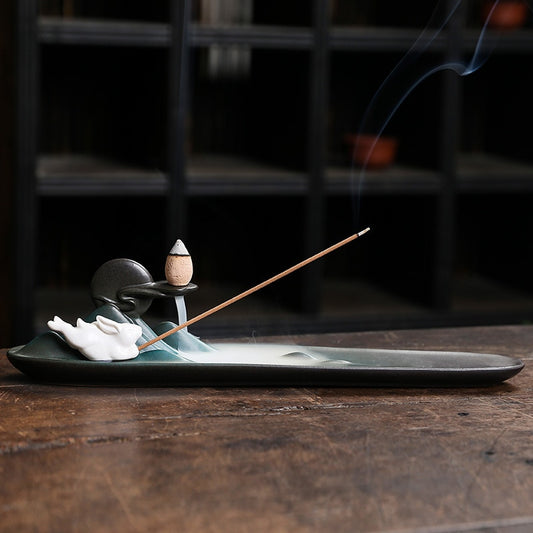
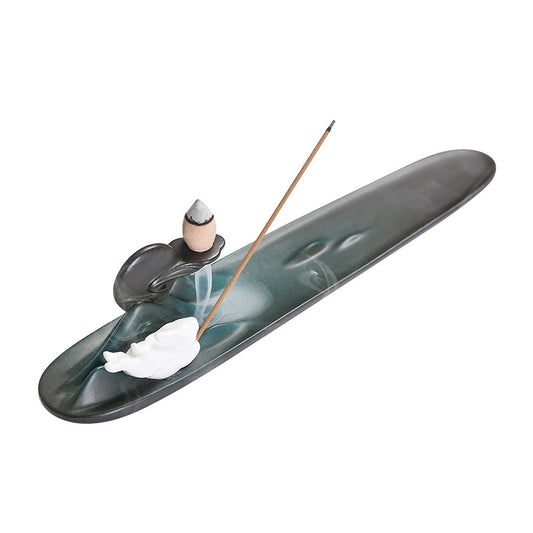
A backflow incense burner is designed so smoke from a compatible backflow cone travels downward through channels in the burner, creating a waterfall-like effect.
Ordinary incense cones should not be assumed to create the same effect. Use cones specifically made for backflow burners and keep the smoke channels clear because residue can build up over time.
Buying tip: if the downward-smoke effect is your priority, confirm that both the burner and the incense are designed for backflow use.
Where to Place an Incense Burner
Place the burner on a stable, heat-resistant surface with clear space around it. Avoid placing burning incense directly below shelves, curtains, paper decorations, plants or other materials that can be affected by heat or smoke.
For decorative pairing, Japanese incense burners can sit alongside Japanese Tea Sets, Japanese Lanterns or Japanese Vases when the styles suit the room.
Using Incense Burners Safely
- Never leave burning incense unattended.
- Keep burning incense away from curtains, bedding, paper and other flammable materials.
- Keep hot burners and burning incense away from children and pets.
- Use the incense in a suitably ventilated area.
- Follow the incense manufacturer’s burning instructions.
- Allow ceramic and metal parts to cool before moving or cleaning.
- Stop using a burner if it cracks, becomes unstable or no longer holds incense securely.
An incense burner is a holder, not a device that makes smoke harmless. This collection does not claim that burning incense cleans the air, treats anxiety, improves sleep or provides medical benefits.
Are These Traditional Japanese Incense Burners?
Some products use Japanese-style names or visual references, while others use broader Asian decorative designs. Do not assume Japanese manufacture, temple use, antique age or artisan provenance unless the exact listing documents it.
What Affects Incense Burner Prices?
Use the live product card for current pricing because prices and variants can change. Differences can reflect material, size, weight, construction, decorative detail, backflow design and packaging.
How to Clean an Incense Burner
- Wait until the burner is fully cool.
- Remove loose ash gently.
- Use the least aggressive cleaning method suitable for the listed material.
- Avoid abrasive cleaners on glazed ceramic and decorative metal finishes.
- Do not soak wood or unknown materials unless the product says it is safe.
- Clean residue from backflow channels before buildup becomes heavy.
Japanese Incense Burner FAQs
Does this collection include incense sticks?
The collection is primarily made up of burners and holders. Check the exact product page to see whether any incense is included with a specific variant.
Can every burner hold both sticks and cones?
No. Compatibility depends on the holder design. Check the exact listing for the intended incense type.
What is a backflow incense burner?
It is a burner designed to guide smoke downward from compatible backflow cones, creating a waterfall-like effect.
Are incense burners safe on wood furniture?
Use a suitable heat-resistant surface or protective base. Do not assume the burner itself provides enough heat protection for the furniture below.
Are all of these burners made in Japan?
Do not assume Japanese manufacture from the collection title. Check the individual product page for origin information.
Can I leave incense burning while I leave the room?
No. Burning incense should never be left unattended.
Shop Japanese Incense Burners
Compare burners by incense compatibility, material, dimensions, ash control, backflow function, stability and cleaning requirements, then use the individual product page as the final source for exact specifications.