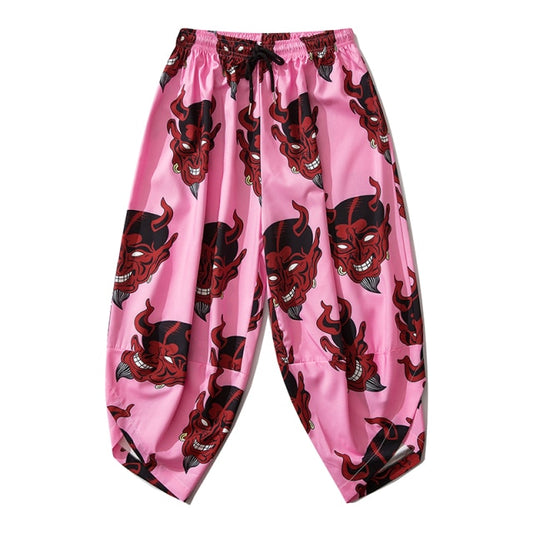
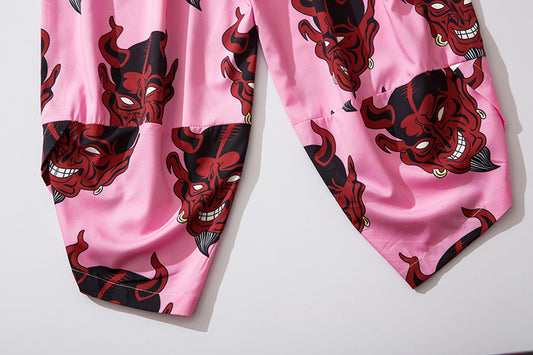
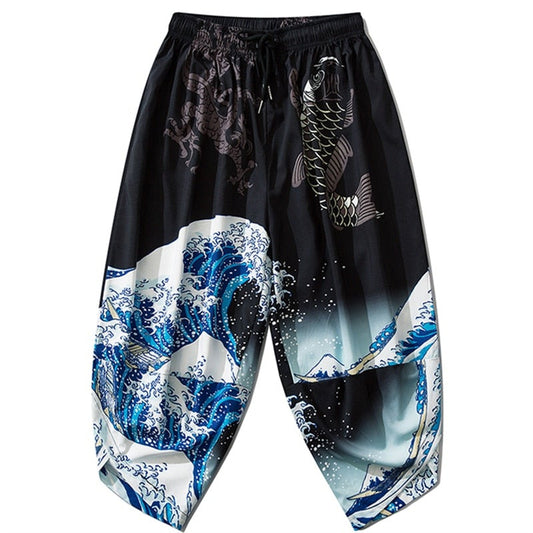
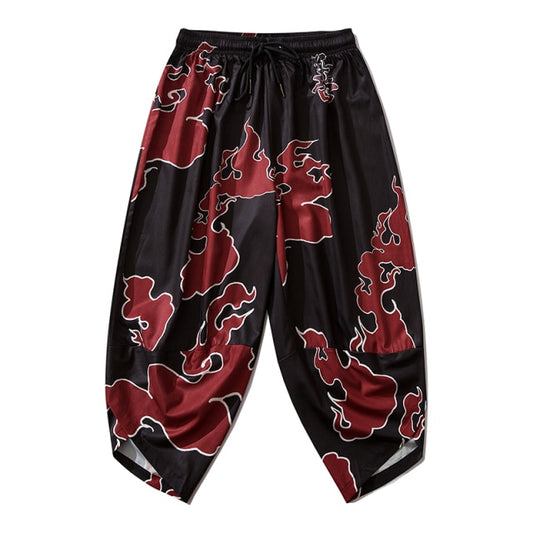
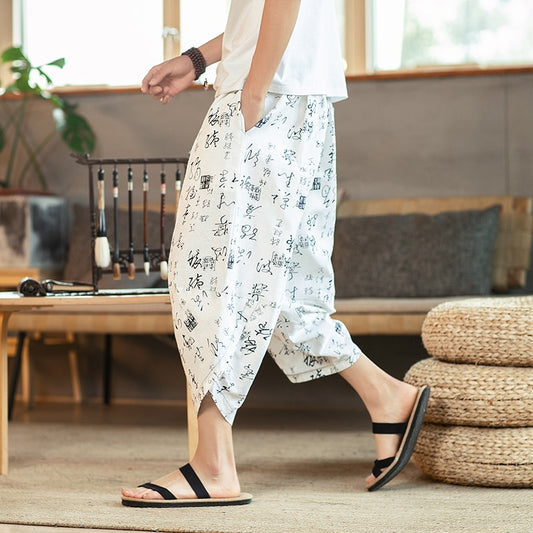
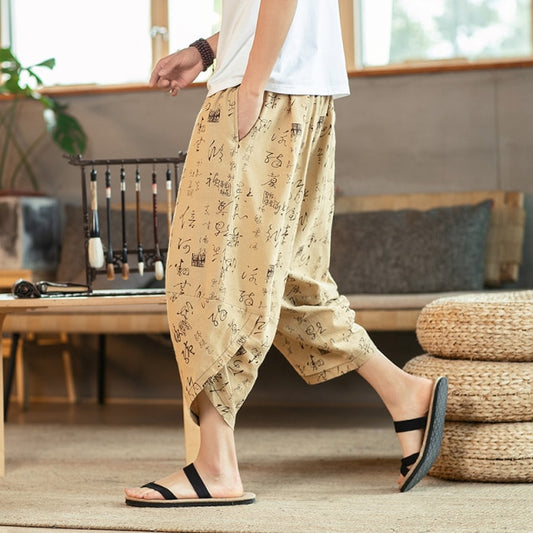
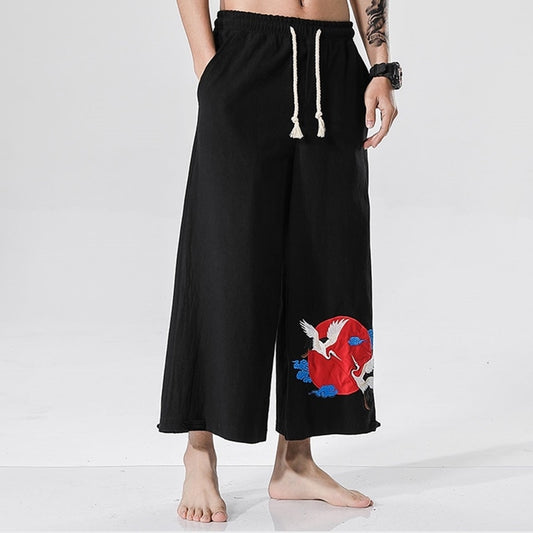
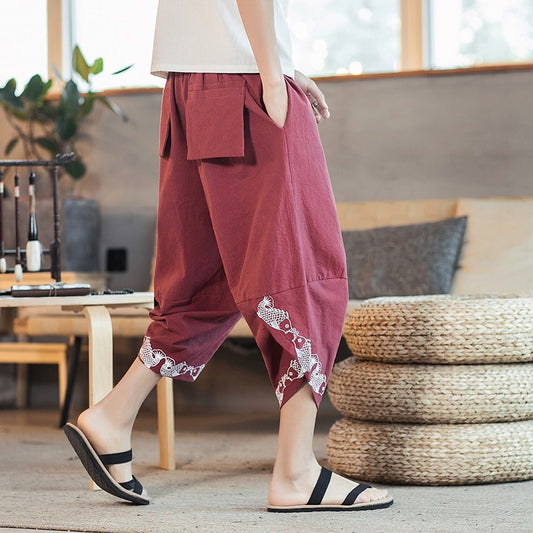
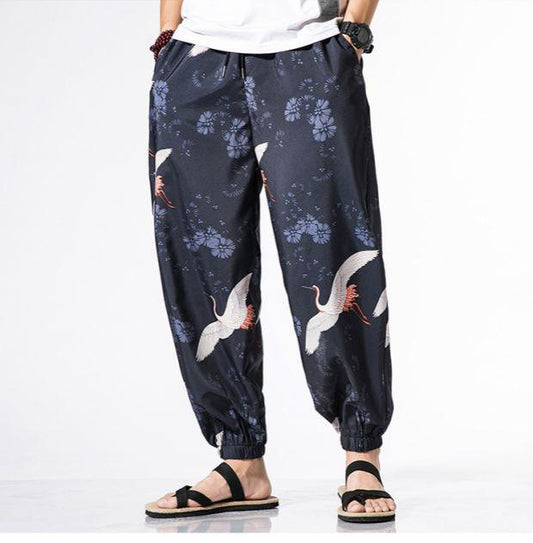
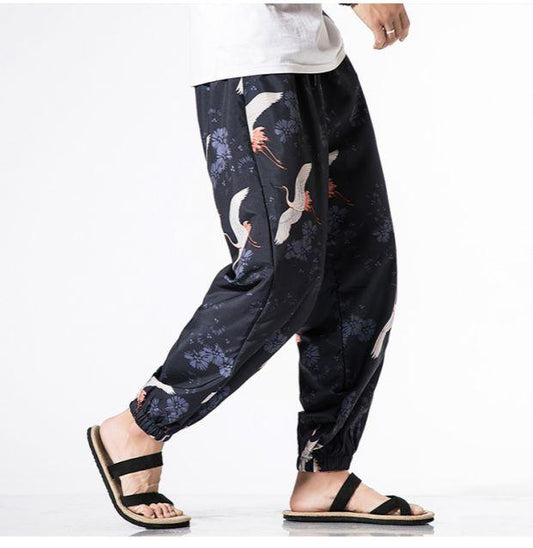
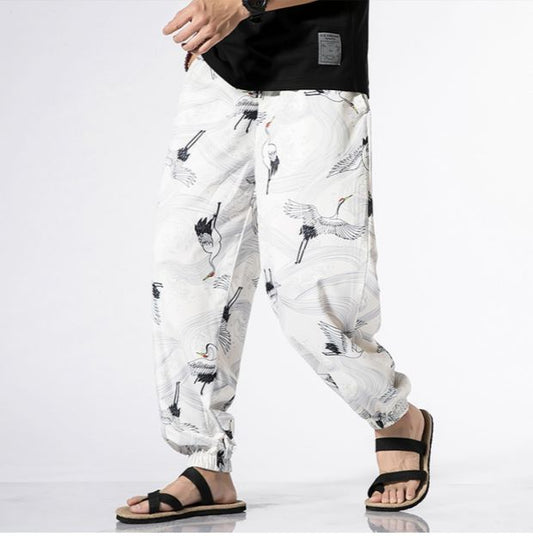
Shop Japanese pants in harem, loose-fit, streetwear, wide-leg, kimono-inspired, reflective and Hakama styles. This collection is mainly modern Japanese-inspired and Harajuku/streetwear clothing, with a distinct Hakama option alongside casual, graphic and performance-oriented pants.
These products do not share one traditional cut, fabric or purpose. Materials, waistband construction, fits and size systems vary by product, so use the individual listing for exact measurements, fabric and current variants.
Jump to: styles · how to choose · materials and sizing · traditional vs modern · how to style · care · FAQs
Japanese Pants Styles
| Style |
Examples |
Best suited to |
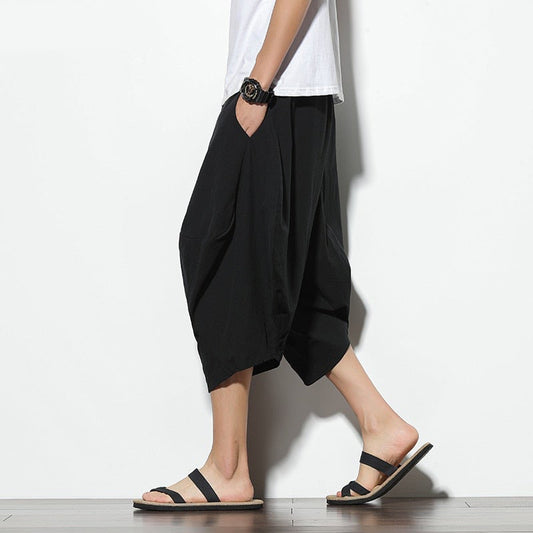
| Harem and loose pants |
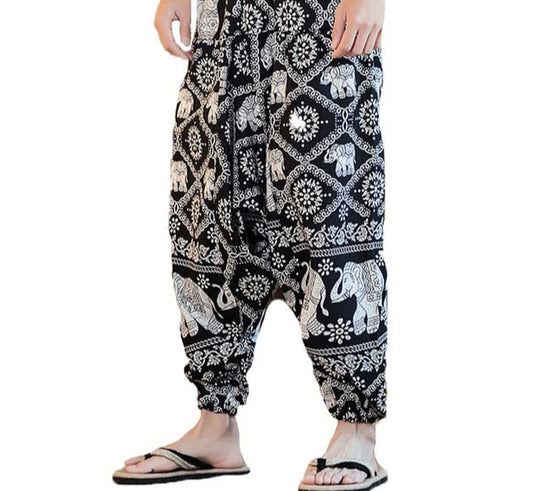
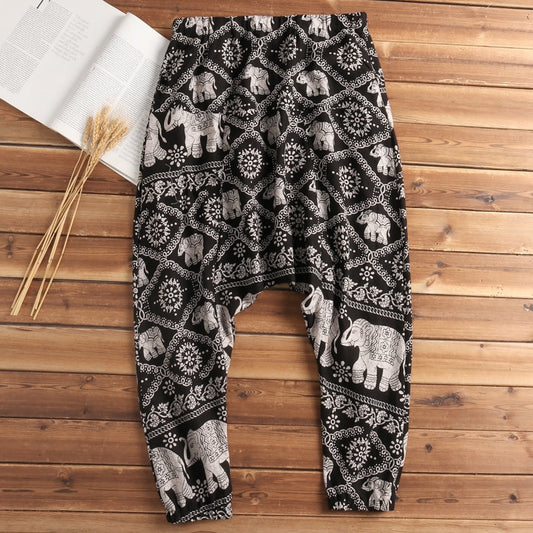
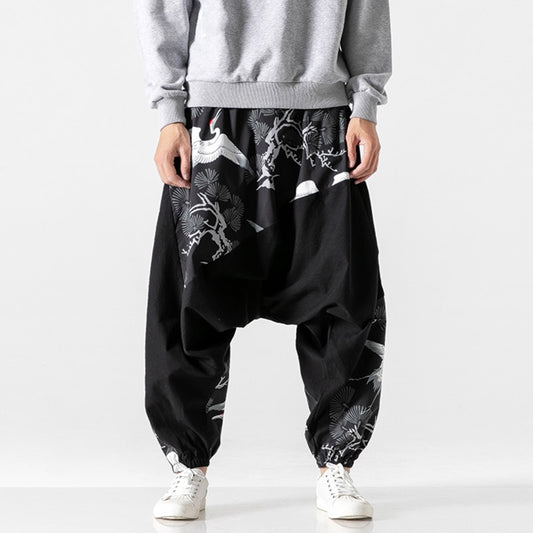
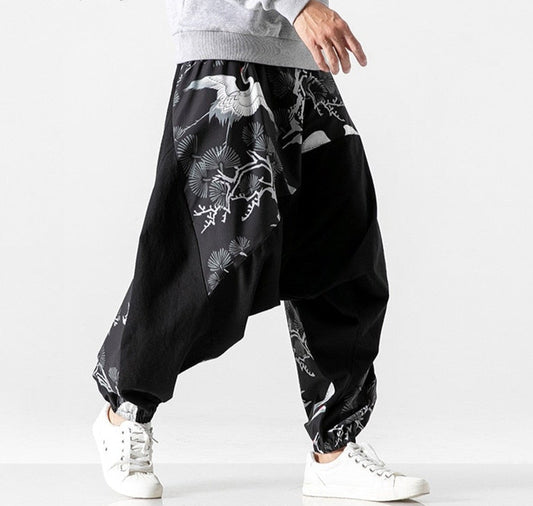
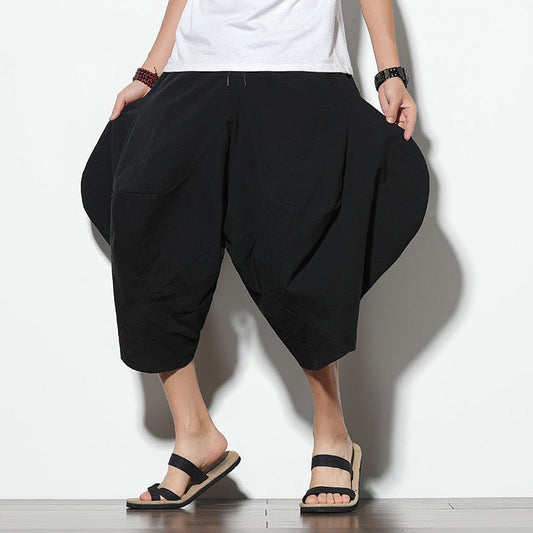
Japanese Harem Harajuku Pant, Japanese Harem Loose Pants, patchwork and bloomers-inspired styles |
Relaxed casual outfits and roomy silhouettes |
| Streetwear pants |
Streetwear Japanese Pants, Japanese Streetwear Blue Pants, bird-print streetwear styles |
Modern layered outfits and casual streetwear |
| Kimono-inspired loose pants |
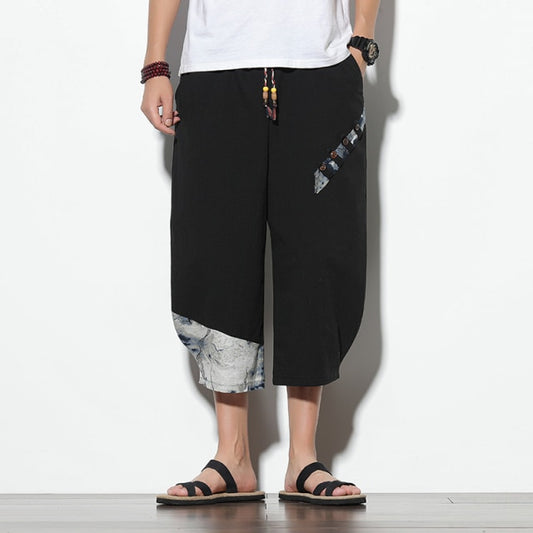
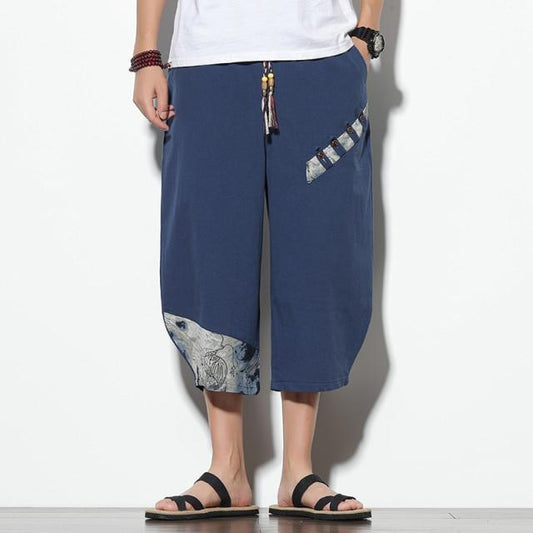
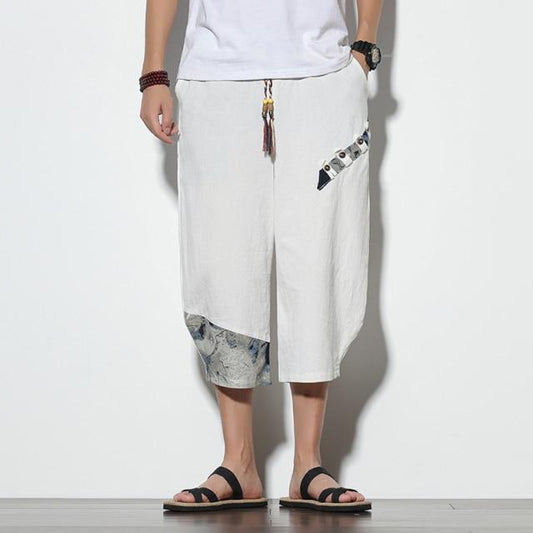
Japanese Kimono Loose Pant, Kimono Pant Black, Blue and White |
Japanese-inspired coordinated styling |
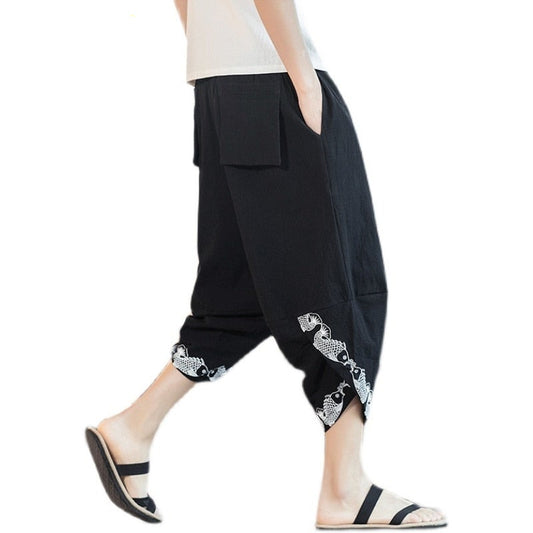
| Wide-leg and graphic pants |
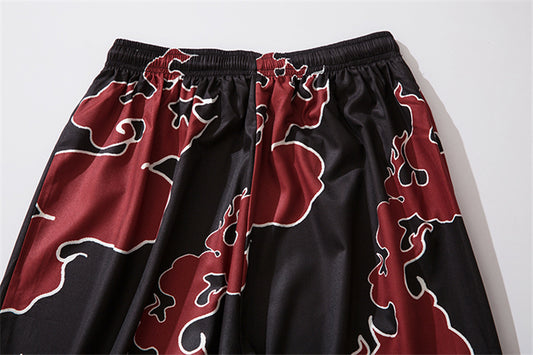
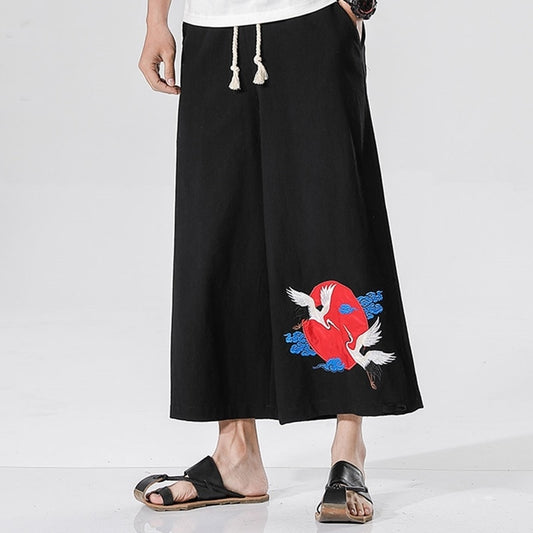
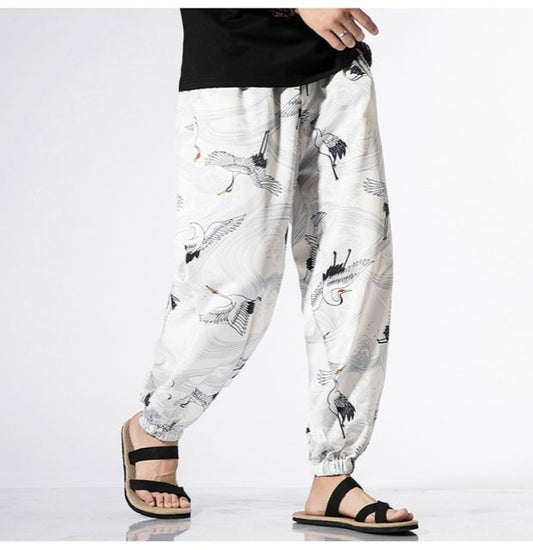
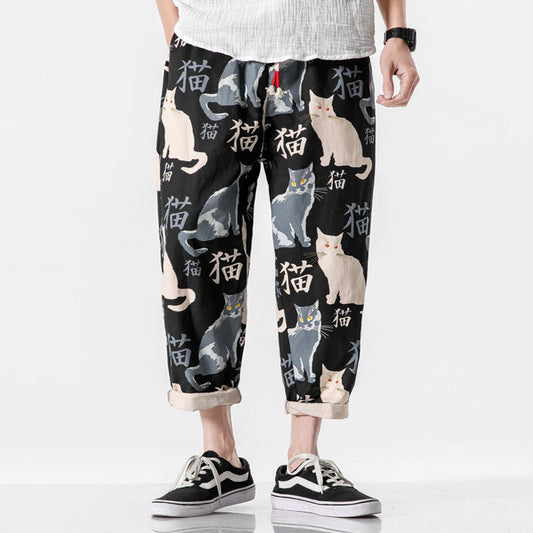
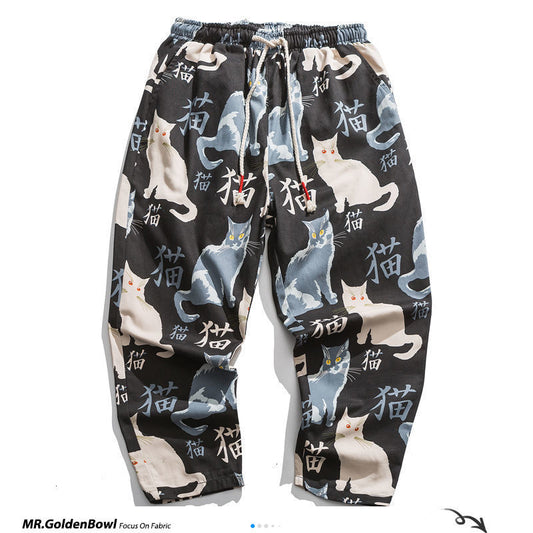
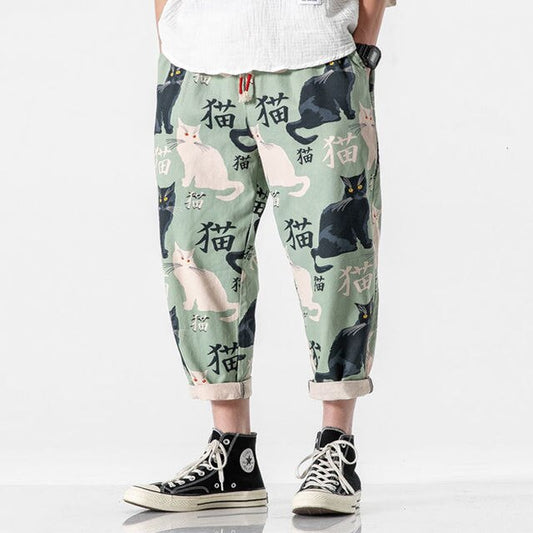
Wide Leg Japanese Pants, Crane, Tsuru, Waves Print and cat designs |
Statement prints and looser silhouettes |
| Reflective and event styles |
Reflective jogger, hip-hop and dance-oriented designs |
Visual streetwear, dance and themed outfits |
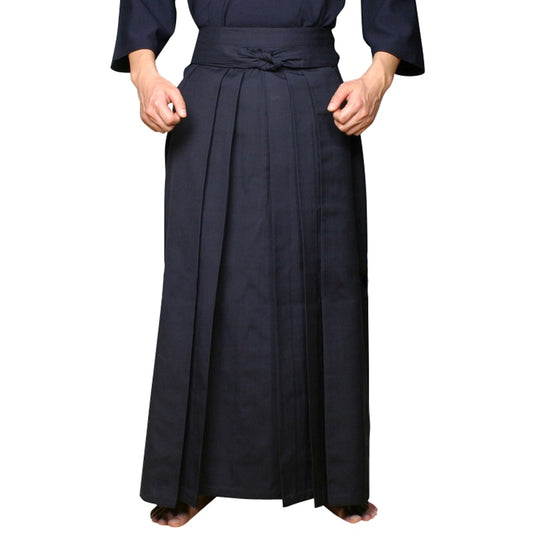
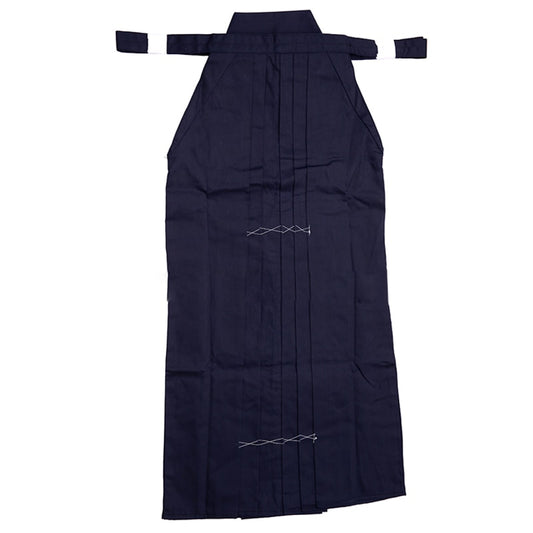
| Hakama |
Traditional Hakama Unisex |
Buyers specifically looking for a Hakama-style garment rather than modern harem or streetwear pants |
How to Choose Japanese Pants
-
Choose the silhouette first. Harem, jogger, wide-leg, kimono-inspired and Hakama styles fit and move differently.
-
Check the waistband and closure. Elastic waists, ties and other constructions vary by product.
-
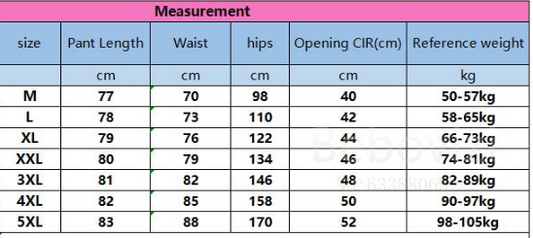
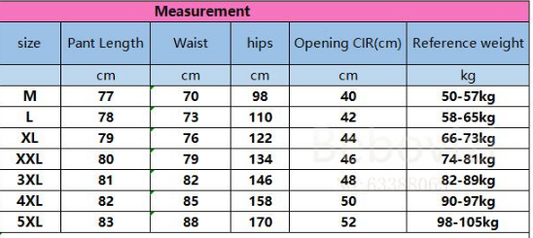
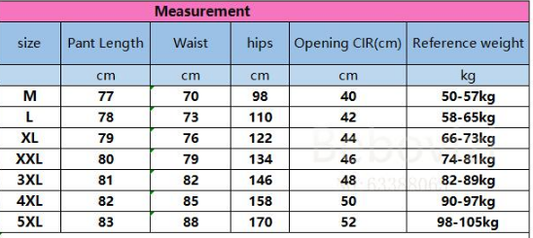
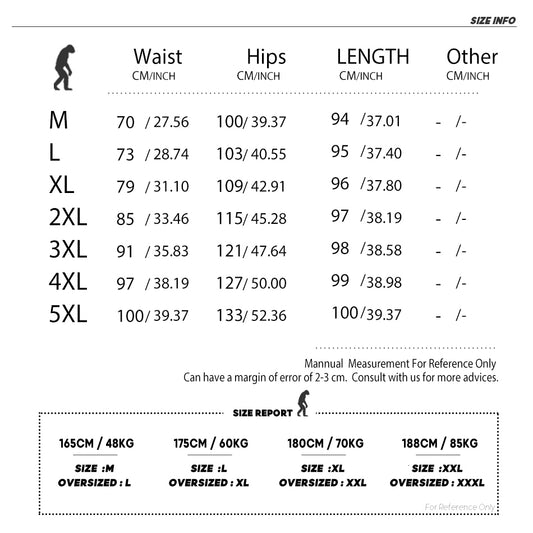
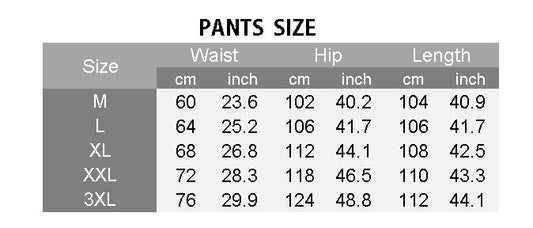
Use the product-specific size chart. Do not assume the same M or XL measurements across different suppliers or styles.
-
Check the exact fabric. Material affects drape, stretch, breathability and care.
-
Choose the pattern for the outfit you are building. Cranes, waves, birds, cats, patchwork and reflective effects create very different looks.
-
Separate modern fashion from traditional clothing. Most of this collection is modern Japanese-inspired or Harajuku/streetwear fashion. Hakama is a distinct garment and should not be used to describe every product here as traditional Japanese pants.
Japanese Pants Materials and Sizing
There is no single collection-wide fabric or size system. Products can use cotton, polyester, stretch blends and other constructions. Some styles are sized by standard letters, while others may use different garment or height-based measurements.
| Feature |
What to check |
| Waist |
Elastic range, tie adjustment or fixed waistband measurements |
| Hip and rise |
Especially important for harem and drop-crotch silhouettes |
| Inseam or total length |
Useful for wide-leg, jogger and Hakama-style garments |
| Fabric |
Affects drape, stretch, warmth and care |
| Fit intent |
Relaxed, oversized, tapered or structured silhouettes should not be sized the same way |
Fit tip: compare waist, hip, rise and garment length with pants you already own rather than relying only on the size label.
Traditional Japanese Pants vs Modern Japanese Streetwear
Japanese pants is a broad retail phrase. Traditional Japanese clothing includes specific garments such as Hakama, while most products in this collection are modern harem, streetwear, jogger, wide-leg or graphic pants influenced by Japanese fashion and visual motifs.
The distinction matters. If you need Hakama for a martial-arts, ceremonial, costume or traditional-dress context, use the measurements and construction of the Hakama product itself. Do not assume modern Harajuku harem pants or reflective joggers are interchangeable with Hakama.
Japanese Harem Pants and Loose-Fit Styles
Harem and loose-fit pants prioritize room through the hip and leg, but the exact rise, taper and waistband differ by product. They are useful for relaxed casual outfits and Japanese-inspired streetwear, especially when paired with a simpler top.
Do not assume “harem” means one standardized traditional Japanese cut. In this collection it is primarily a modern retail silhouette.
Kimono-Inspired Pants
Kimono-inspired pants borrow a Japanese fashion direction in their naming or styling, but they are not the same garment as a kimono. Compare the actual cut, fabric and print rather than treating the word “kimono” as a historical construction claim.
For full kimono-style clothing, browse the Japanese Kimono collection.
How to Style Japanese Pants
Relaxed Casual Outfits
Loose and harem pants work well with simple T-shirts, sweatshirts and sneakers. A cleaner top helps the pant silhouette remain the main feature.
Japanese Streetwear
Streetwear and wide-leg styles can be paired with oversized tops, layered jackets and technical footwear. For coordinated outfits, compare Japanese Bomber Jackets, Japanese Sukajan and Japanese Hoodies.
Graphic and Printed Pants
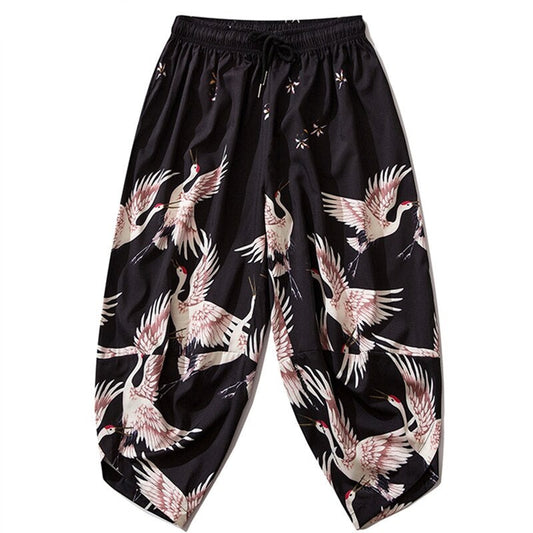
Crane, wave, bird and cat prints usually work best with a simpler top so the pattern remains readable. If both top and pants are heavily printed, keep the palette coordinated to avoid visual competition.
Hakama Styling
Hakama has its own construction and cultural context. Use the specific product measurements and intended use rather than styling it as if it were simply another pair of casual joggers.
Reflective Japanese Pants
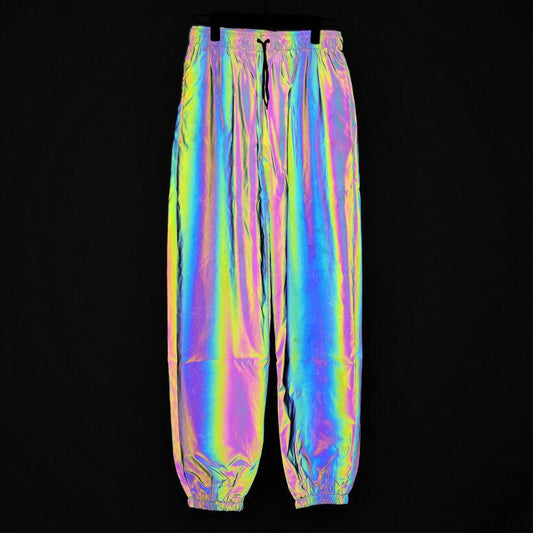
Selected streetwear designs use reflective visual effects. Treat the reflective finish primarily as a fashion feature. Do not assume these garments are certified high-visibility, road-safety or protective clothing unless the exact product listing documents a recognized safety standard.
Are These Pants Made in Japan?
Do not assume country of manufacture from Japanese-inspired names, graphics or collection placement. Made-in-Japan origin, handmade production or traditional textile provenance should only be claimed when the exact product listing documents it.
What Affects Japanese Pants Prices?
Use the live product card for current pricing because prices, sizes and promotions can change. Differences can reflect fabric, construction, print coverage, stretch, sizing and current promotion. Price alone does not prove traditional authenticity or origin.
How to Care for Japanese Pants
There is no single washing rule for all Japanese pants because the collection includes different fibers, prints, stretch fabrics and garment constructions.
- Check the exact fiber content before choosing wash temperature or drying method.
- Printed and reflective finishes may require gentler handling than plain fabric.
- Stretch blends should not automatically be treated the same way as non-stretch garments.
- Hakama-style garments may need different folding or storage from casual joggers and harem pants.
- Follow the exact product or garment care instructions ahead of general advice.
Japanese Pants FAQs
What types of Japanese pants are sold here?
The collection includes harem and loose pants, streetwear, wide-leg designs, kimono-inspired pants, reflective styles and a Hakama option.
Are all Japanese pants in this collection traditional?
No. Most are modern Japanese-inspired or streetwear designs. Hakama is a distinct traditional garment and should not be used to describe the rest of the collection.
How should Japanese pants fit?
Fit varies by silhouette. Compare waist, hip, rise, inseam and total garment length rather than relying only on the size label.
What materials are Japanese pants made from?
Materials vary by product and can include cotton, polyester, stretch blends and other constructions. Check the exact listing for fiber content.
Are Japanese pants formal?
It depends on the garment. This collection includes casual streetwear, harem pants, reflective styles and Hakama, so there is no universal formal-use recommendation.
Are reflective Japanese pants safety clothing?
Not automatically. Treat reflective effects as fashion details unless the exact product documents a recognized high-visibility or safety standard.
Are these pants made in Japan?
Do not assume country of manufacture from the collection name. Check the exact product listing for origin information.
How should I wash Japanese pants?
Follow the exact care instructions because plain, printed, stretch, reflective and Hakama-style garments should not all be washed or dried the same way.
Shop Japanese Pants
Compare the collection by silhouette, waist construction, material, measurements, print and intended use. For coordinated streetwear, browse Japanese Bomber Jackets or Japanese Hoodies.

 Sale
Sale
 Sale
Sale