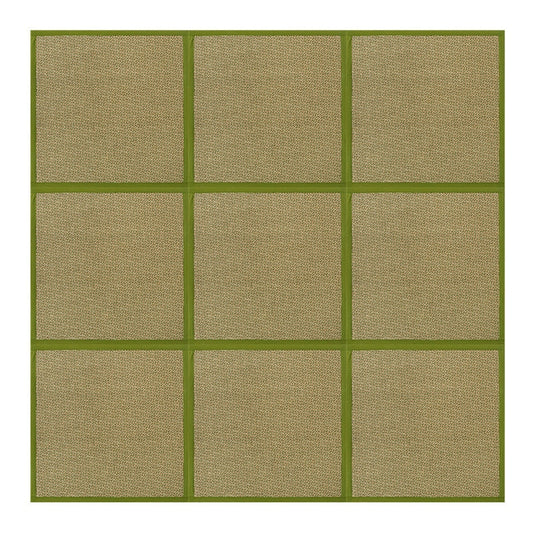
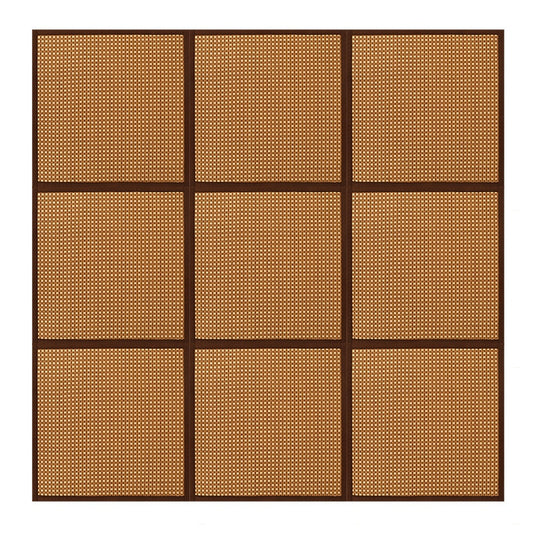
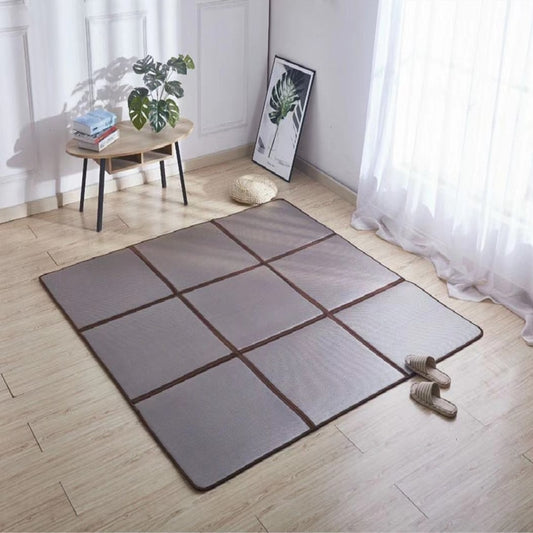
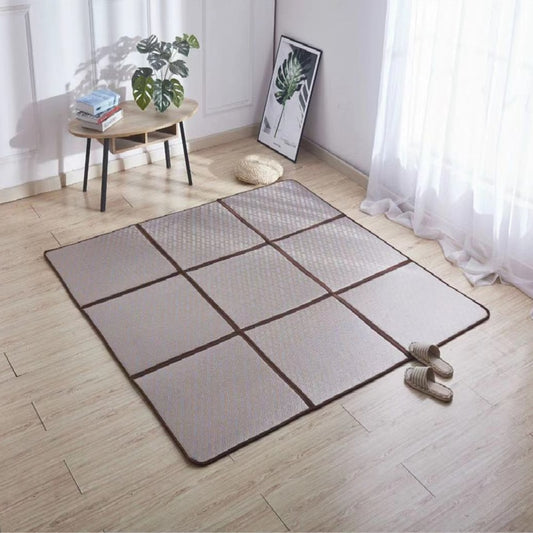
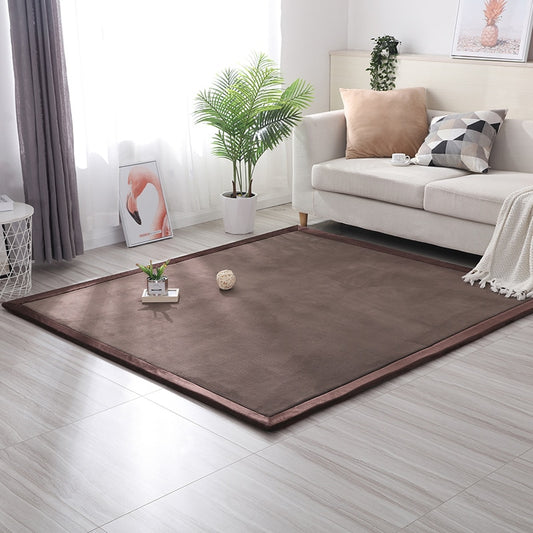
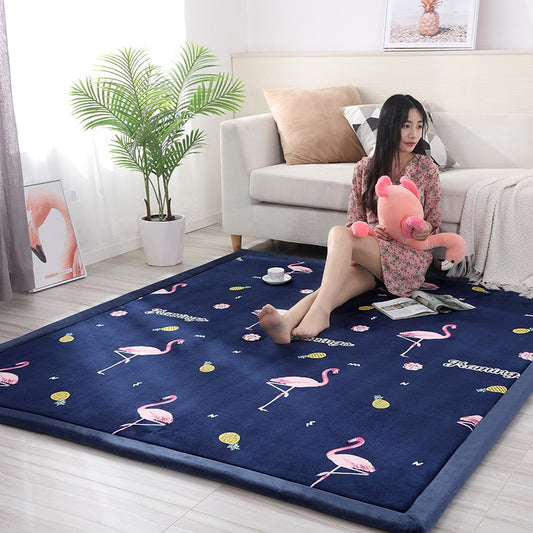
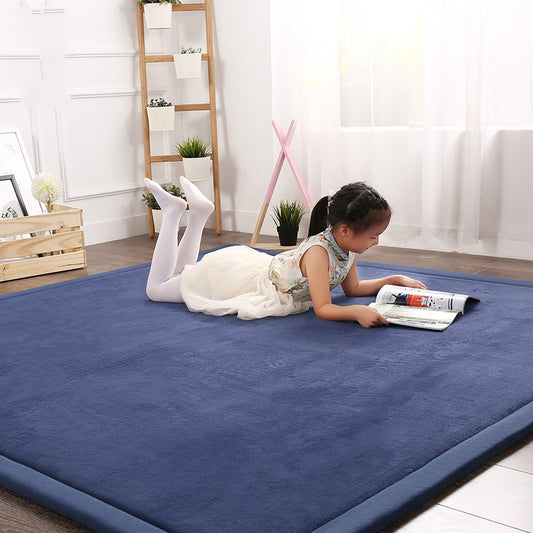
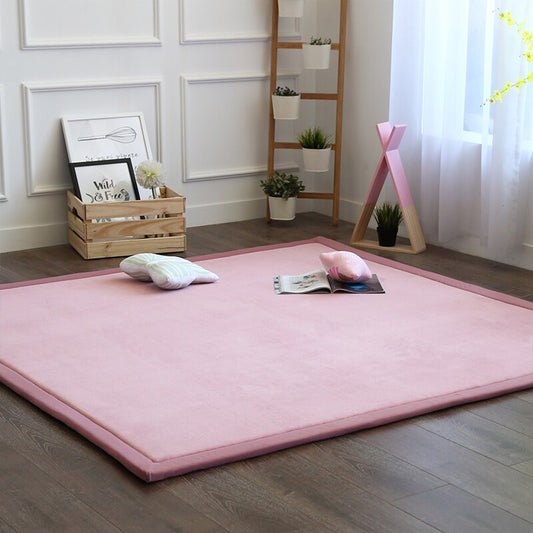
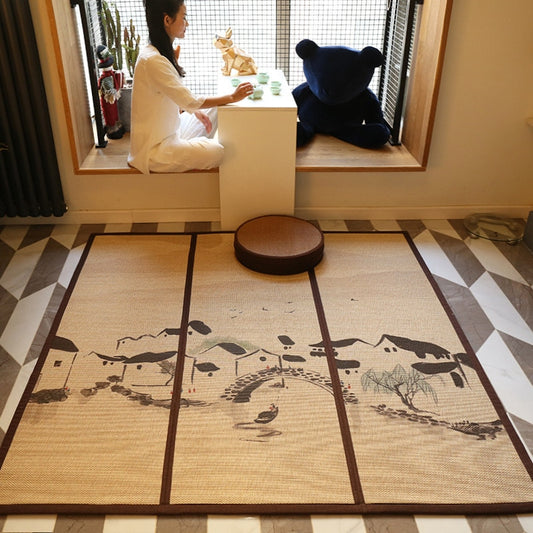
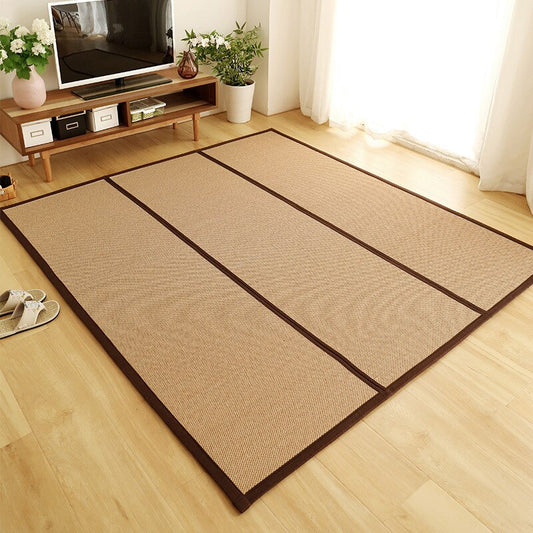
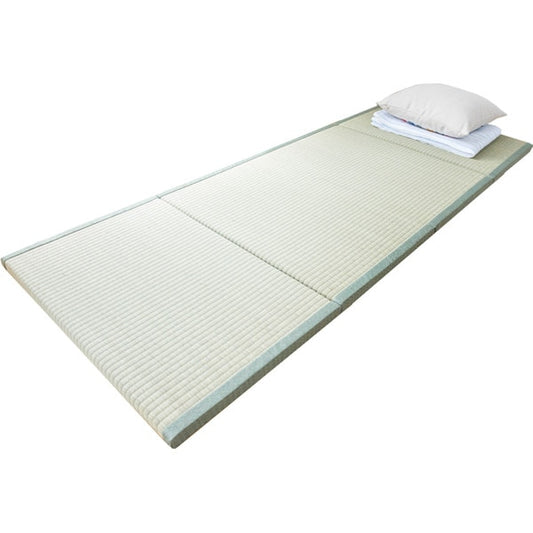
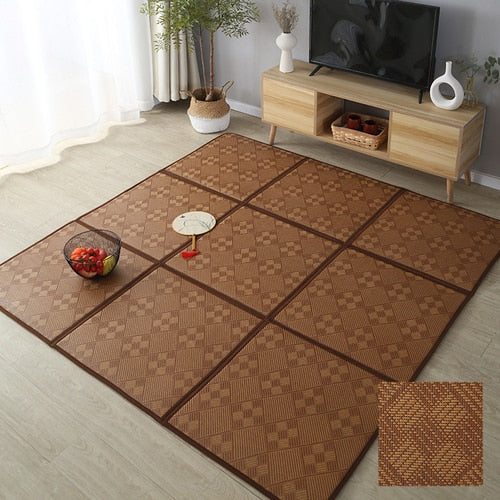
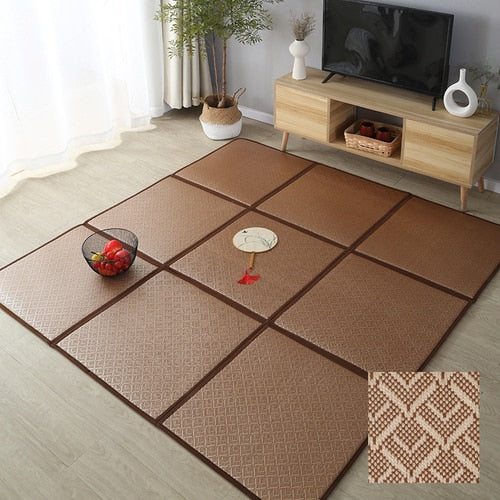
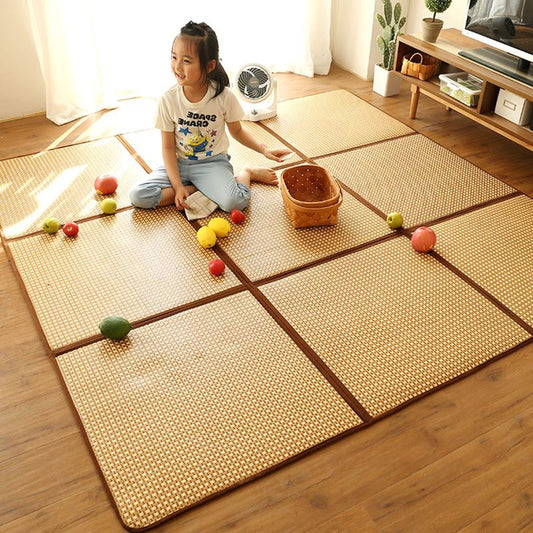
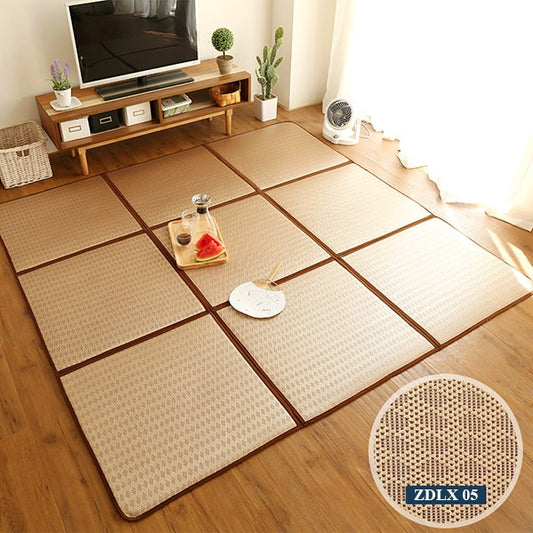
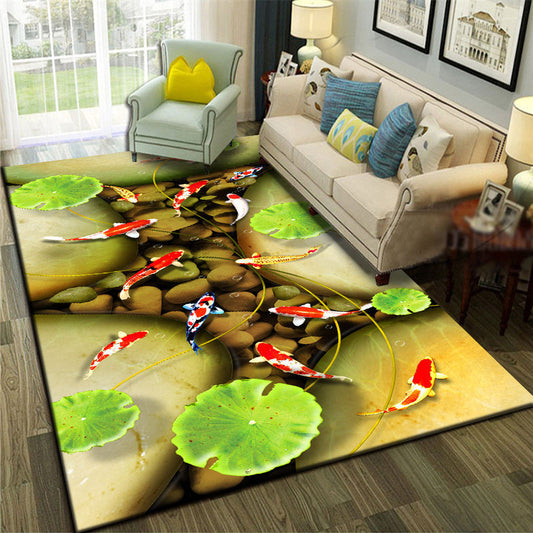
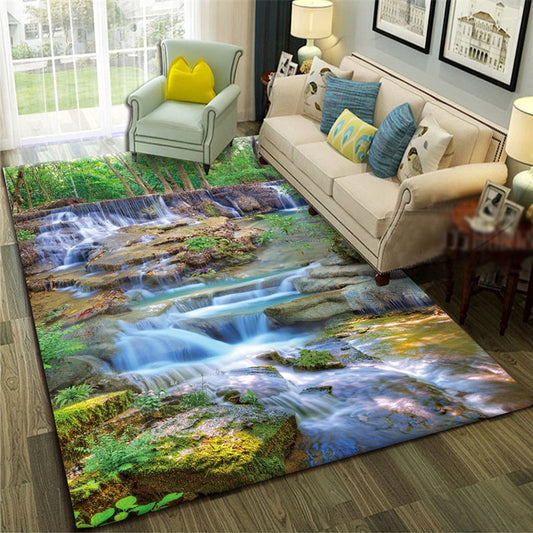
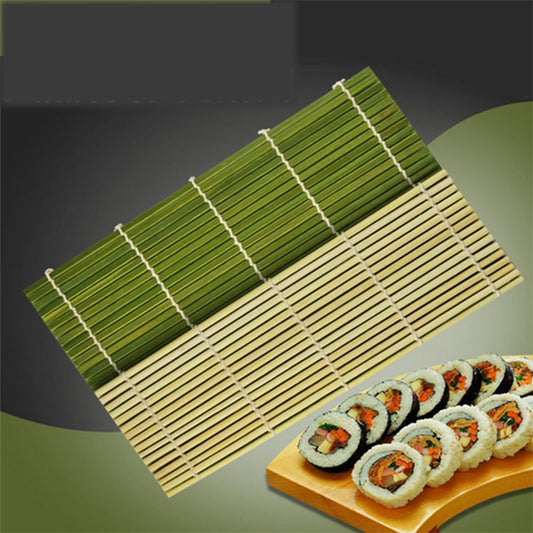
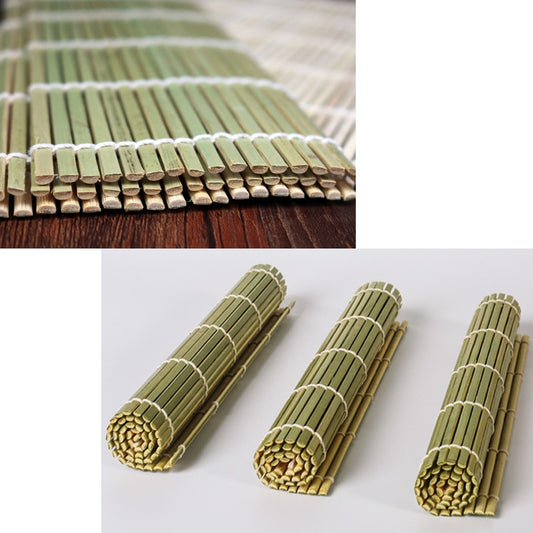
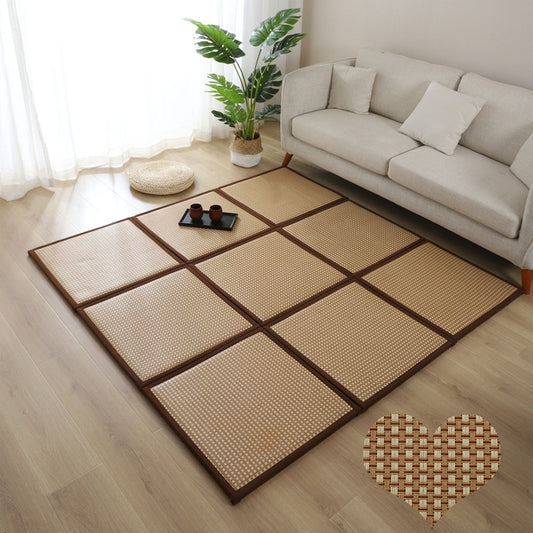
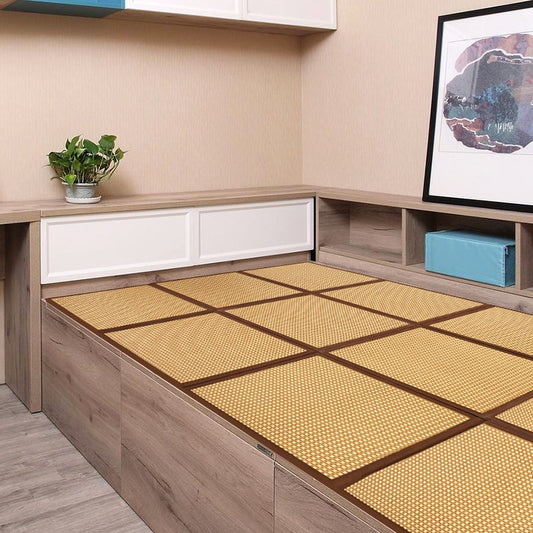
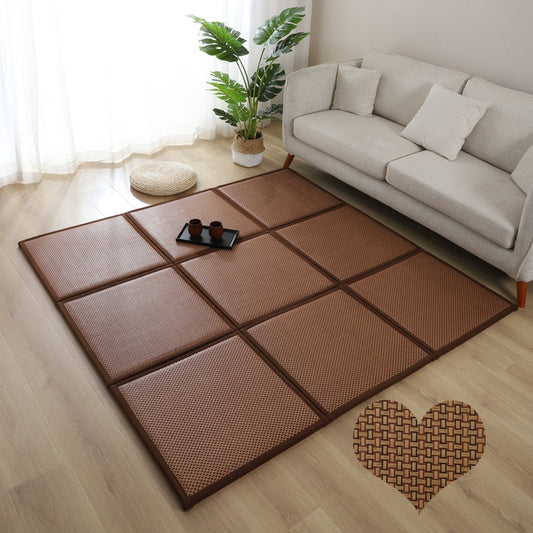
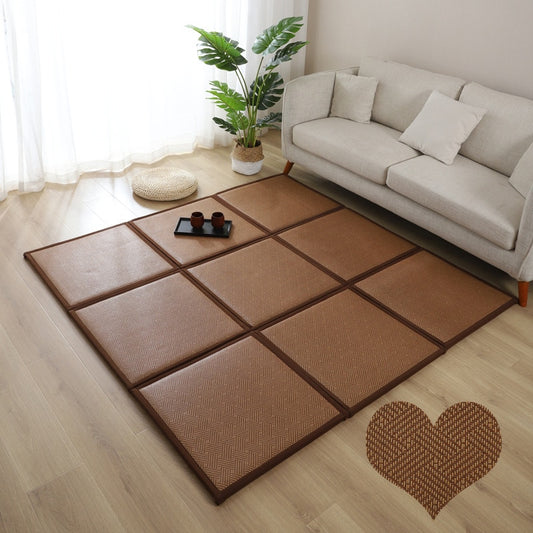
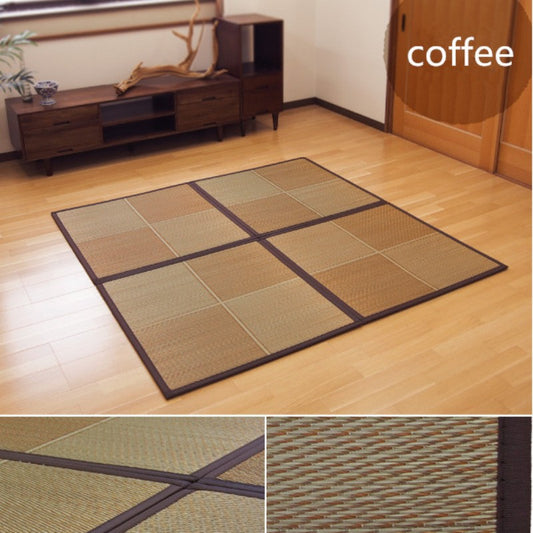
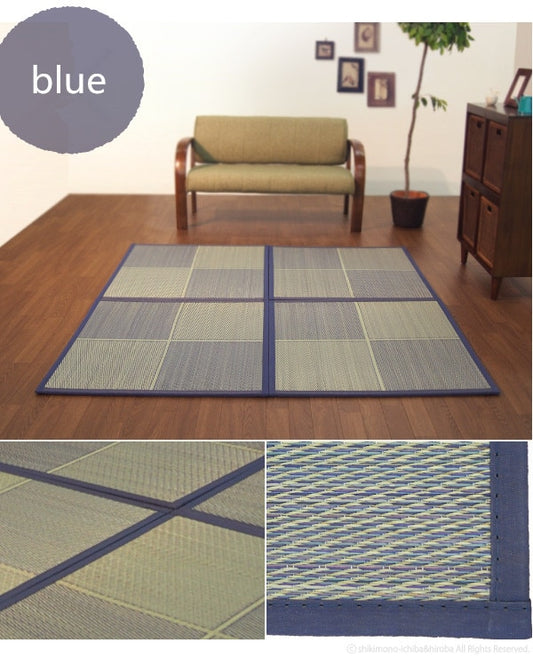
Shop Japanese mats and Japanese-inspired floor mats in tatami-style, bamboo, rattan, folding, fabric, fleece and printed designs. This collection includes several different floor-covering types, so it should not be treated as a catalog of traditional Japanese tatami only.
Material, thickness, backing, dimensions, foldability, surface texture and care vary by product. Do not assume every mat is handmade in Japan, made from traditional igusa rush, non-slip certified, suitable for sleeping, allergy-friendly or designed for the same room use.
Jump to: tatami context · mat types · how to choose · size · materials · floor use · sleeping and futons · slip resistance · care · FAQs
What Is a Traditional Japanese Tatami Mat?
Tatami is a traditional Japanese flooring material used in Japanese-style rooms. Traditional tatami typically uses a woven rush surface called tatami-omote, a structured core, and a fabric border on many designs. Historically, rice straw was commonly used in the core, while modern construction can vary.
Traditional tatami is different from a generic “Japanese mat,” bamboo rug, fleece runner or printed floor mat. Some products in this collection are tatami-inspired or use similar visual styling without reproducing traditional tatami construction.
Japanese Mat Types in This Collection
| Mat type |
What to compare |
| Tatami-style mat |
Surface material, core, edge binding, thickness and intended floor use |
| Bamboo or rattan-style mat |
Actual fiber/material, backing, folding method and surface feel |
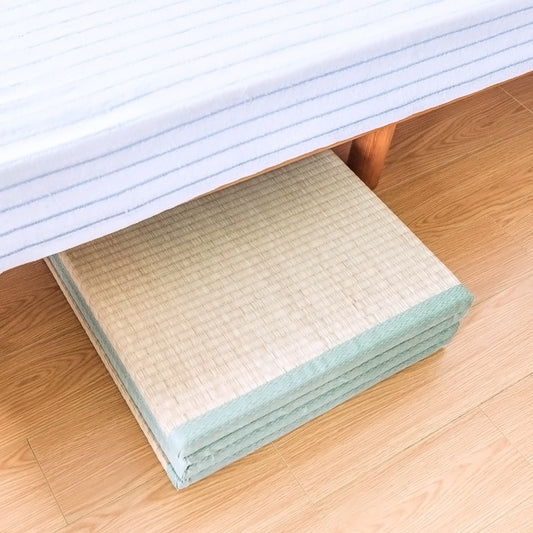
| Foldable floor mat |
Fold lines, packed size, thickness and storage space |
| Fabric or fleece mat |
Pile, backing, wash instructions and suitability for the room |
| Printed decorative mat |
Print durability, surface material, size and intended decorative use |
How to Choose a Japanese Mat
-
Start with the room. Bedroom, living room, entryway, kitchen and meditation areas have different moisture, traffic and cleaning needs.
-
Check exact dimensions. Product photos are not reliable for judging floor coverage.
-
Verify the material. Rush, bamboo, rattan-style material, polyester, fleece and mixed fibers feel and clean differently.
-
Check thickness. A thin decorative mat and a thicker floor mat provide different cushioning.
-
Look at the underside. Backing affects grip, floor compatibility and moisture behavior.
-
Check whether it folds. Folding mats are easier to store but may show visible seams or fold lines.
-
Verify intended use. Do not assume every floor mat is appropriate under a futon, chair, dining table or exercise routine.
Japanese Mat Sizes and Room Planning
The collection includes multiple dimensions and modular or folding formats. Measure the usable floor area before ordering, including clearance for doors, furniture and walking paths.
If several smaller panels are used together, check whether they are designed to connect or simply sit side by side. Small gaps can affect appearance and stability.
Measure first: compare the product’s exact width and length with your room. A mat intended as a runner, bedside mat or modular panel will not cover the same area as a large folding floor mat.
Japanese Mat Materials
Traditional tatami is associated with woven rush, but this collection contains a broader material mix. Product listings may use terms such as bamboo, rattan, bamboo fiber, fabric, fleece or tatami-style material.
Do not extend one product’s material claim to the entire collection. Likewise, “natural color” does not prove a product is untreated natural fiber, and a straw-like surface does not automatically mean traditional Japanese igusa rush.
Using Japanese Mats on Different Floors
Wood and Laminate
Check the backing before prolonged use. Some backings can trap moisture, transfer color or mark delicate finishes. Lift the mat periodically so the floor can be inspected and aired.
Tile
Smooth tile can increase movement under mats without effective backing. Verify the exact product’s grip rather than assuming a “non-slip” product name represents a tested slip-resistance standard.
Carpet
A mat placed over carpet can shift or buckle depending on the pile height and backing. Flat, firm flooring generally gives a more stable base for many mat types.
Japanese Mats, Tatami and Futons
Traditional Japanese-style sleeping often involves laying a futon on tatami flooring. That does not mean every Japanese-inspired mat in this collection is designed as a sleeping base.
If you want a mat specifically under a Japanese Futon, check thickness, dimensions, ventilation, moisture behavior and the manufacturer’s intended use. Avoid treating a thin decorative mat or fleece runner as a substitute for traditional tatami flooring.
Japanese Mats for Sitting, Meditation and Low Furniture
A floor mat can create a defined sitting area for reading, tea, meditation or low furniture when the mat’s thickness and surface suit the activity. Comfort is subjective, so do not assume a floor mat provides orthopedic support or medically beneficial cushioning.
If you kneel or sit on the floor for long periods, compare thickness and firmness rather than relying only on visual design.
Are Japanese Mats Non-Slip?
Slip resistance varies by backing, floor surface, mat size, wear and moisture. Some product names in the catalog use “non-slip,” but that should not be treated as a collection-wide certified safety claim.
- Place mats on a clean, dry floor.
- Check for movement before regular use.
- Use a compatible rug pad if appropriate and permitted for your flooring.
- Do not place a loose mat where a curled edge could become a trip hazard.
- Recheck grip after cleaning or moving the mat.
Are These Traditional Japanese Tatami?
Not all of them. This is a broad Japanese Mat collection containing tatami-style and other floor mats. Traditional tatami has a specific construction and cultural use. Check the exact product for surface material, core, border and origin if you specifically want traditional tatami.
Are These Mats Made in Japan?
Do not assume Japanese manufacture, handcrafting or traditional artisan production from the collection title. Check each product page for origin and manufacturing information.
What Affects Japanese Mat Prices?
Use the live product card for current pricing because prices and variants can change. Differences can reflect dimensions, thickness, material, backing, folding construction, number of panels, decorative print and packaging.
Japanese Mat Cleaning and Care
There is no universal cleaning method because the collection includes different fibers and constructions.
- Follow the exact product’s care instructions first.
- Vacuum or brush dry debris gently when the material allows it.
- Blot spills rather than soaking natural-fiber or unknown mats.
- Do not scrub woven rush, bamboo-style or printed surfaces unless the care instructions allow it.
- Do not assume every mat is machine washable.
- Dry any damp mat fully before returning it to the floor.
- Lift mats periodically to inspect the underside and floor for trapped moisture.
- Rotate when appropriate if you want more even exposure to traffic and sunlight.
Japanese Mat FAQs
Is every Japanese mat a tatami mat?
No. This collection includes tatami-style, bamboo, rattan-style, fabric, fleece, folding and printed floor mats.
What is traditional tatami made from?
Traditional tatami typically uses a woven rush surface over a structured core, historically often rice straw, with a border on many styles.
Can I sleep on a Japanese mat?
Only when the exact mat is suitable for that use. Traditional futon-on-tatami sleeping should not be generalized to every decorative or thin floor mat.
Are Japanese mats non-slip?
Grip varies by backing and floor type. Check the exact product and test stability on your flooring.
How do I clean a Japanese mat?
Cleaning depends on the material. Use the product-specific instructions and avoid assuming all mats can be washed or scrubbed the same way.
Are these mats handmade in Japan?
Do not assume handmade or Japan-made origin from the collection name. Check the individual product listing.
Shop Japanese Mats
Compare mats by dimensions, thickness, surface material, backing, foldability, floor compatibility and intended use. For a Japanese-style room, also browse Japanese Futon, Japanese Door Curtains and Japanese Lanterns.