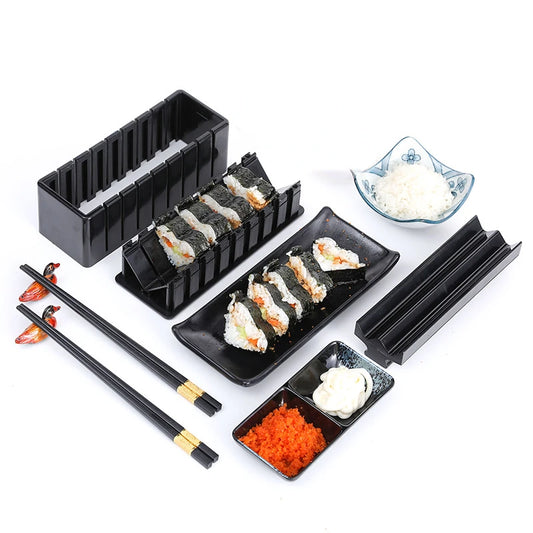
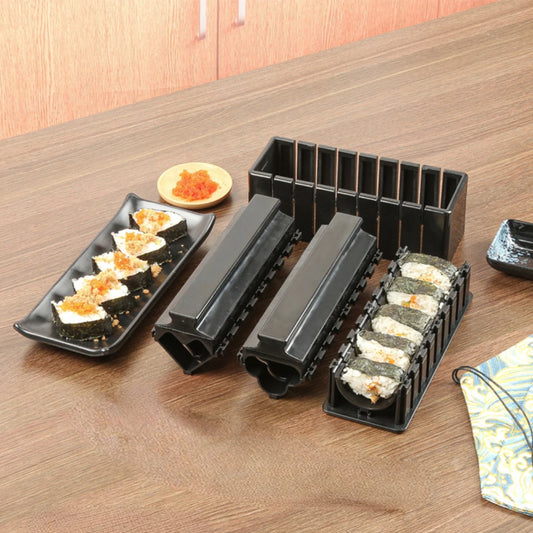
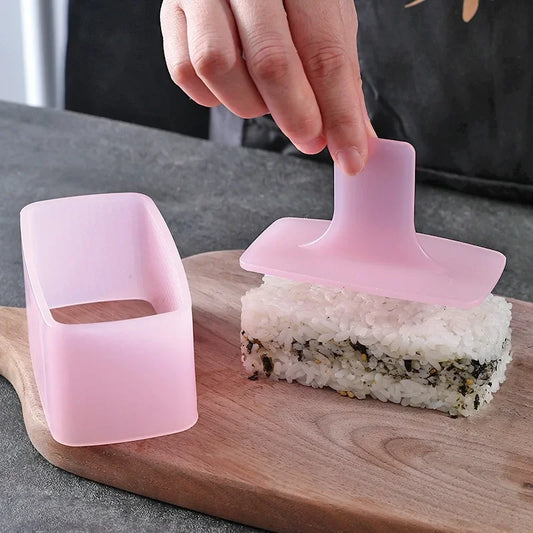
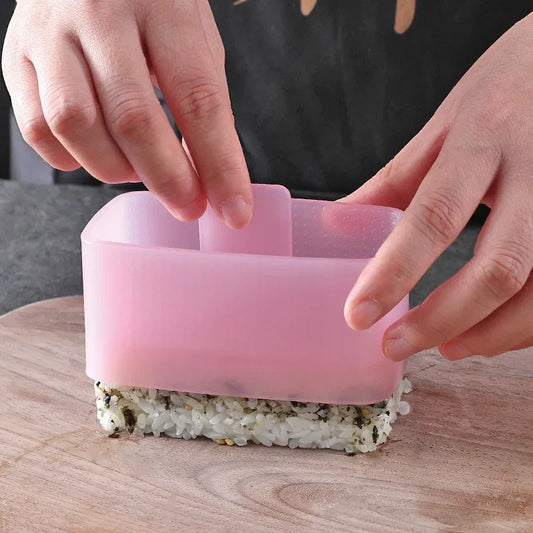
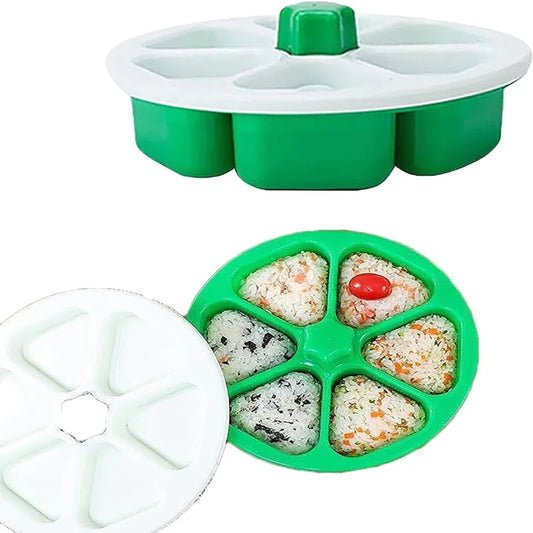
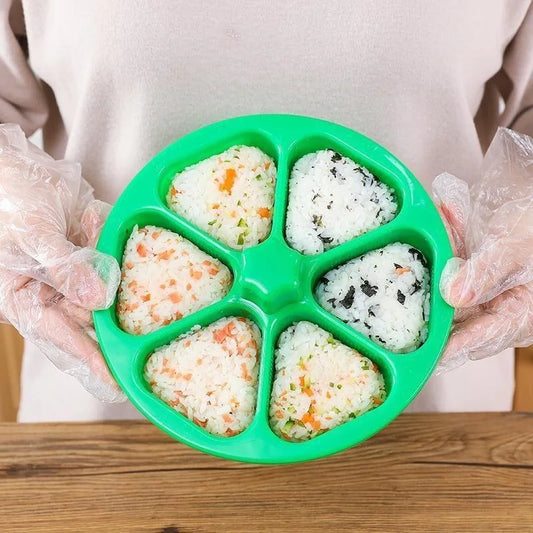
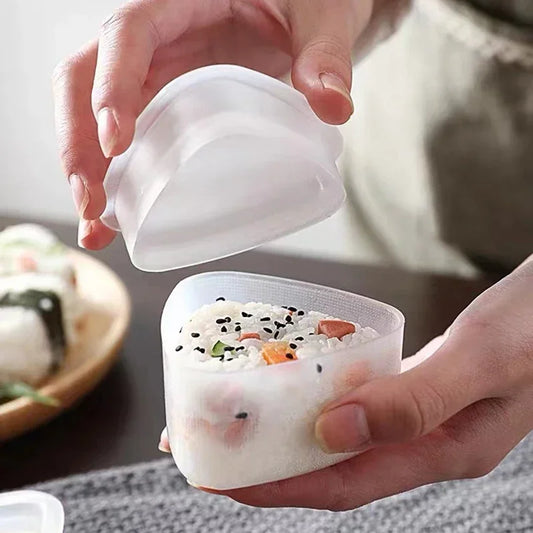
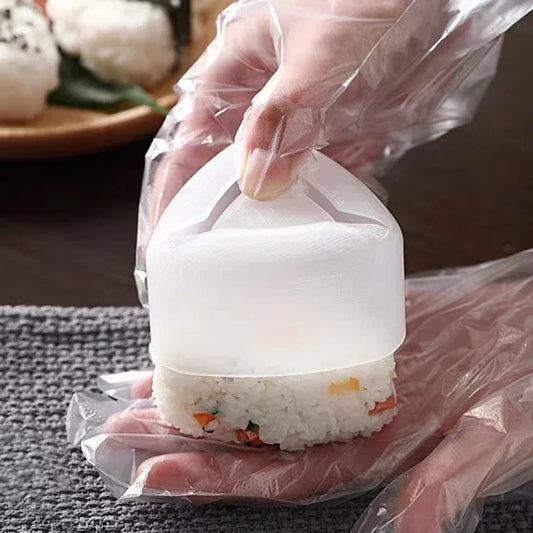
Shop Japanese sushi-making accessories, sushi molds, rice-ball makers, roller tools and shaping sets. Despite the broader collection title, the current assortment is focused mainly on tools that help shape sushi rice, rolls and rice balls rather than bento lunch boxes, knives, serving plates or food ingredients.
These are modern kitchen tools. Do not assume every item is made in Japan, traditionally used by sushi chefs, dishwasher-safe, BPA-free, food-grade certified to a particular standard or suitable for every temperature unless the individual listing documents it.
Jump to: tool types · how to choose · sushi molds · roller tools · rice-ball makers · materials · cleaning · FAQs
Sushi-Making Tools in This Collection
| Tool type |
What it helps with |
| Sushi mold |
Creating repeated shapes and more consistent portions |
| Rice-ball maker |
Shaping onigiri-style or decorative rice portions |
| Sushi roller tool |
Helping form cylindrical rolls with less hand shaping |
| Multi-piece sushi set |
Trying multiple molds, shapes or rolling methods in one kit |
| Stainless-steel mold |
Firm shaping and easy release when the design is used correctly |
How to Choose Sushi-Making Accessories
-
Choose the sushi style first. Rolls, pressed sushi and rice balls need different tools.
-
Check the finished size. Mold dimensions determine portion size and presentation.
-
Check the material. Plastic-style and stainless-steel tools have different handling and cleaning requirements.
-
Check how the food releases. Some molds use plungers or removable bases while others rely on manual release.
-
Check what is included. A tool set may include several molds, while a single maker may include only one shape.
-
Check cleaning access. Deep grooves and multi-part mechanisms need more careful washing.
Sushi Molds and Pressed Sushi Tools
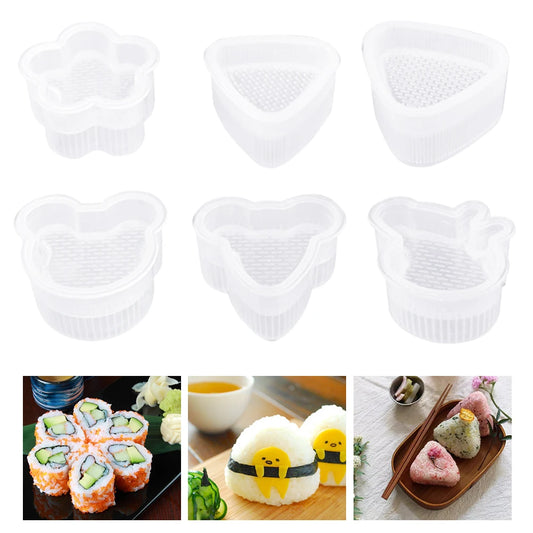
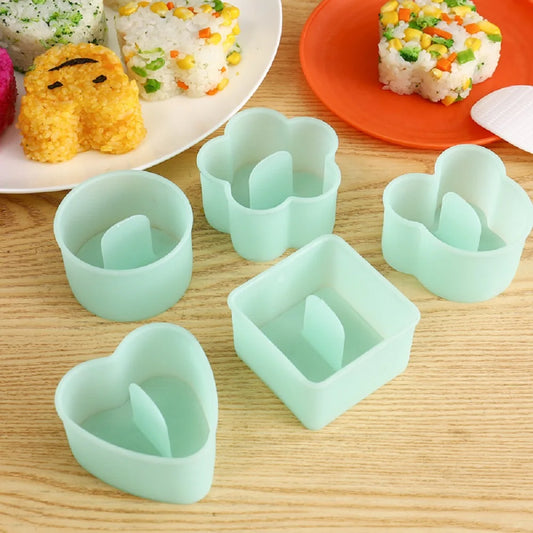
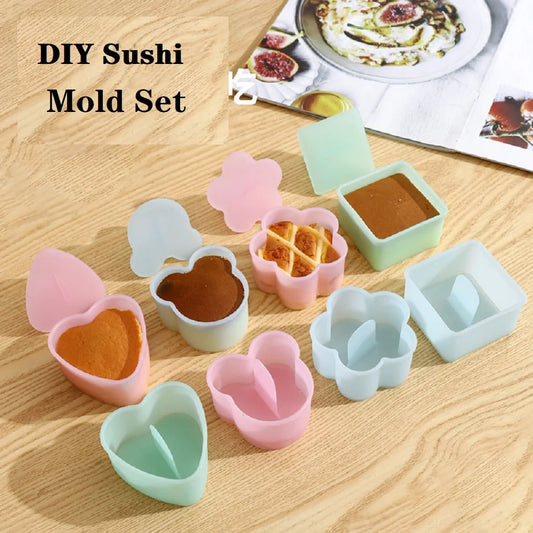
Sushi molds help create repeated portions with a consistent shape. They can be useful for pressed sushi, decorative rice portions and home presentation where uniformity matters.
Do not overfill the mold. Packing rice too firmly can make release harder and change texture. Lightly moistening a compatible mold or using the release method recommended by the product can reduce sticking.
A mold is a shaping tool, not a substitute for proper rice preparation. Rice texture, moisture and seasoning still affect the final result.
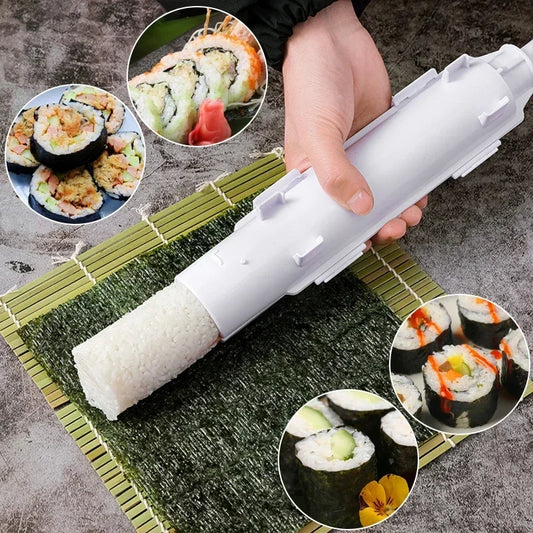
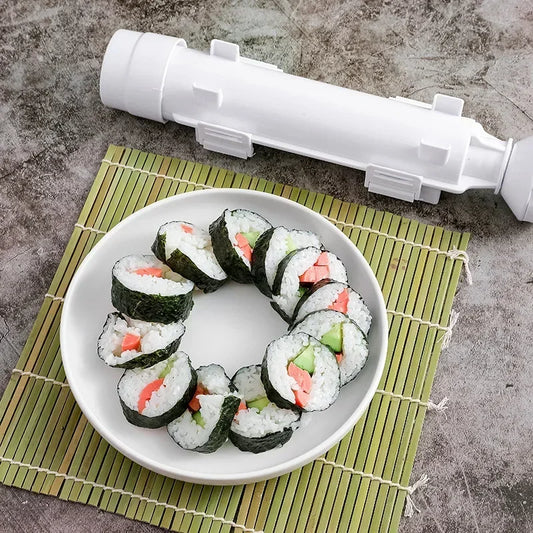
Sushi Roller Machines and Cylinder Makers
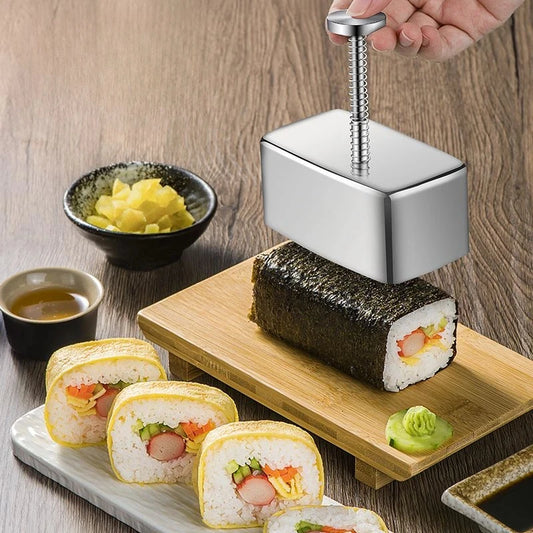
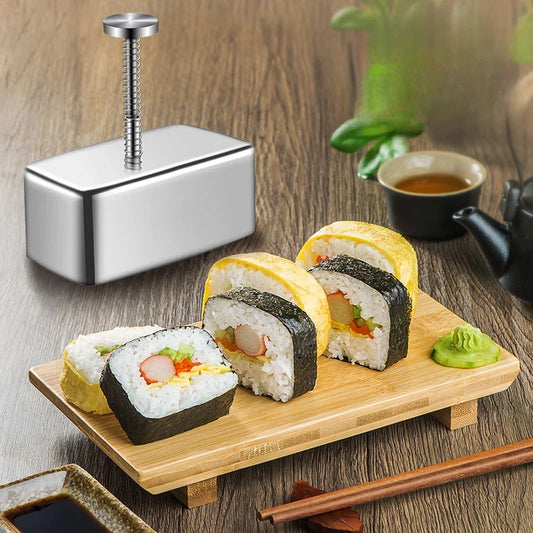
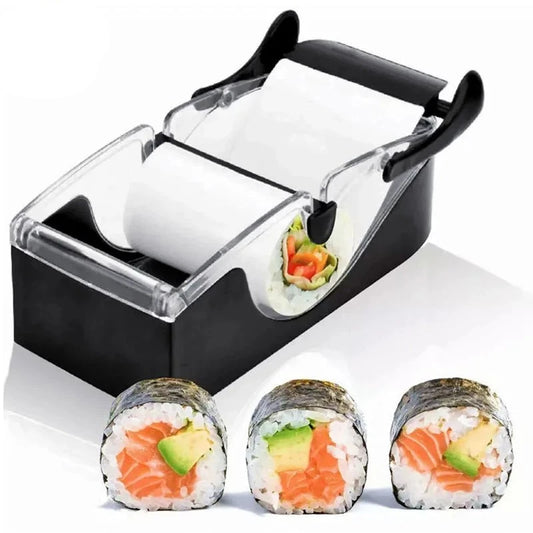
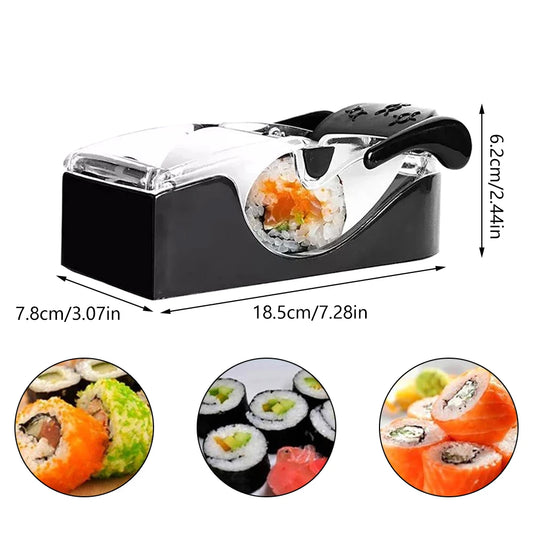
Roller-style tools are intended to simplify forming cylindrical sushi rolls. They can be convenient for beginners, but the result depends on ingredient amount, rice distribution and the way the tool is loaded.
- Do not overfill the chamber.
- Keep fillings narrow enough for the tool to close correctly.
- Follow the tool’s release or extrusion method.
- Clean rice from seams and moving parts after use.
These tools are different from a traditional bamboo makisu. This collection should not imply that every modern rolling gadget is a traditional Japanese sushi utensil.
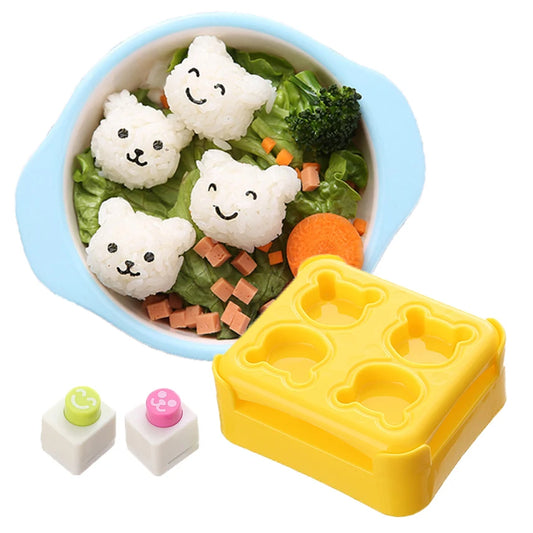
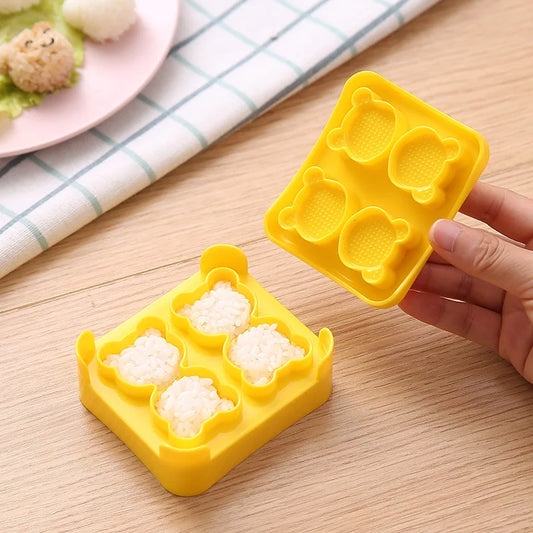
Rice-Ball and Onigiri-Style Makers
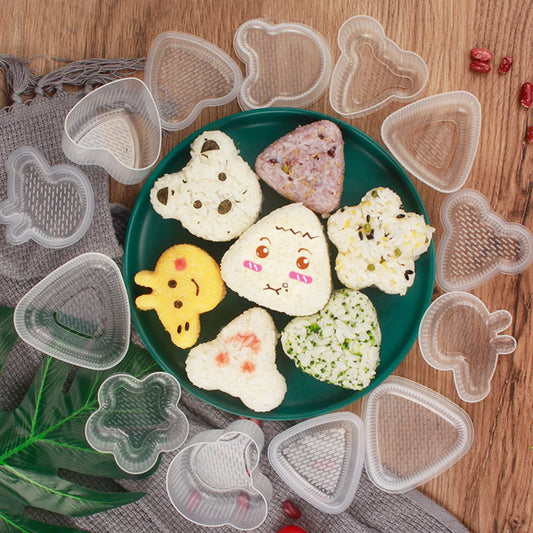
Rice-ball molds can help shape triangular, round, animal or decorative rice portions. Some are useful for packed lunches and bento presentation, especially when repeated shapes are desired.
If you are buying a rice-ball maker for a lunch box, compare the finished dimensions with the compartments in your Bento Box. Large decorative rice shapes can take up more space than expected.
Materials and Food Contact
Plastic-Style Tools
Many modern sushi molds and makers use plastic or plastic-like components. Do not assume BPA-free status, heat resistance or dishwasher safety unless the listing specifically states it.
Stainless-Steel Tools
Stainless-steel molds are rigid and easy to wipe clean, but sharp edges or seams should be handled carefully. If the steel grade or food-contact certification matters to you, check the exact product specification.
Food-contact tip: use only products intended for food preparation, and follow the washing and temperature instructions provided for the exact tool.
What This Collection Does Not Currently Focus On
The current assortment is not primarily a collection of sushi knives, bamboo rolling mats, nori, rice paddles, serving plates or soy-sauce dishes. Those items should not be presented as if they are available here when they are not part of the live product set.
For chopsticks, browse Japanese Chopsticks. For lunch containers, browse Bento Box.
Kitchen and Food-Safety Basics
- Wash reusable tools before first use and after each preparation session.
- Keep tools used with raw seafood separate from ready-to-eat foods unless properly cleaned and sanitized.
- Follow safe refrigeration and handling guidance for fish, seafood, cooked rice and other perishable ingredients.
- Do not assume the tool itself makes raw ingredients safe to eat.
- Discard cracked or damaged plastic tools that can trap food in hard-to-clean areas.
Are These Traditional Japanese Sushi Tools?
The collection contains modern molds, shaping devices and roller tools. Some are Japanese-inspired, but they should not automatically be described as traditional professional sushi utensils or made in Japan unless the product page documents that.
What Affects Sushi Accessory Prices?
Use the live product card for current pricing because prices and variants can change. Differences can reflect material, number of pieces, mechanism, mold size, complexity and packaging.
Cleaning Sushi Molds and Makers
- Follow the product-specific washing instructions.
- Disassemble removable parts when the design allows.
- Remove rice from corners, seams and plungers before it dries.
- Dry tools fully before storage.
- Do not assume every plastic or metal tool is dishwasher-safe.
- Avoid abrasive cleaners on printed or coated surfaces.
Japanese Bento & Sushi Accessories FAQs
What products are currently in this collection?
The live assortment is mainly sushi molds, rice-ball makers, roller machines and shaping-tool sets.
Is a sushi mold the same as a bamboo rolling mat?
No. A mold presses or shapes food into a form, while a bamboo makisu is traditionally used to help roll sushi.
Are the tools dishwasher-safe?
Do not assume so. Check the exact product’s material and care instructions.
Can these tools make onigiri?
Rice-ball and triangular molds can be suitable for onigiri-style shaping when the finished size and product design match what you want to make.
Does this collection include sushi knives?
The current live assortment is focused on molds and shaping tools rather than sushi knives.
Are these tools made in Japan?
Do not assume Japanese manufacture from the collection title. Check the individual product page for origin information.
Shop Sushi-Making Accessories
Compare tools by finished shape, mold size, material, number of pieces, release method, cleaning requirements and intended sushi style. For the current live assortment, focus on shaping and rolling rather than expecting a complete professional sushi-tool kit.