Shop Japanese board games, Mahjong sets, portable tile games, tic-tac-toe boards, learning games and puzzle-style tabletop games. The current collection is heavily weighted toward Mahjong products, with a smaller mix of simple strategy, counting and multiplication games.
This is a broad modern tabletop collection. Do not assume every product is a traditional Japanese game, made in Japan, handcrafted from wood, lacquered, suitable for children of every age, or historically Japanese in origin. Check the individual listing for the actual game, materials, components, rules and age guidance.
Jump to: game types · how to choose · Mahjong sets · strategy games · learning games · players and age · components · care · FAQs
Board Game Types in This Collection
| Type |
What to compare |
| Mahjong set |
Tile set, table or mat, carrying case, tile size and rule variant |
| Portable tabletop game |
Packed size, component storage and setup space |
| Tic-tac-toe or simple strategy game |
Board size, piece count and intended skill level |
| Math or learning game |
Learning objective, difficulty and age suitability |
| Puzzle-style game |
Number of pieces, challenge type and whether instructions are included |
How to Choose a Japanese Board Game
-
Start with the game type. A Mahjong set, math game and simple strategy board serve very different players.
-
Check the number of players. Do not assume every game is designed for two people or a family group.
-
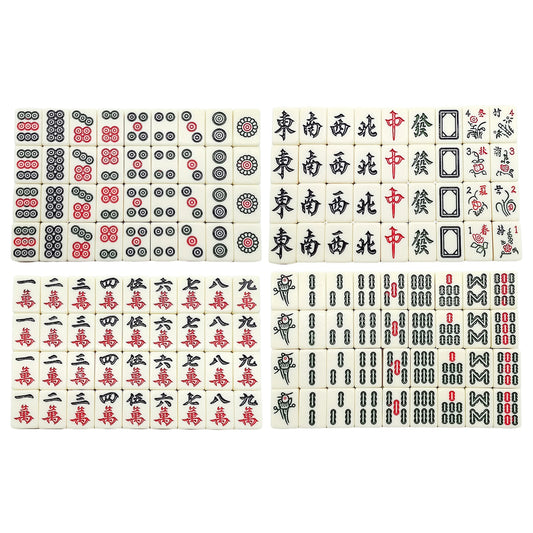
Check the rule set. Mahjong has multiple regional rule systems, so the physical tiles do not automatically tell you which rules are included.
-
Check the component list. Make sure the listing includes the tiles, pieces, board, case, mat or accessories you expect.
-
Check age guidance. Small pieces can create choking hazards and some games require reading or arithmetic skills.
-
Check table space. Larger Mahjong sets need considerably more room than compact travel games.
Mahjong Sets
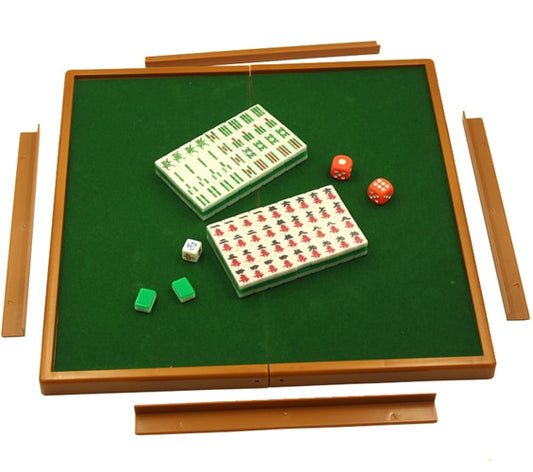
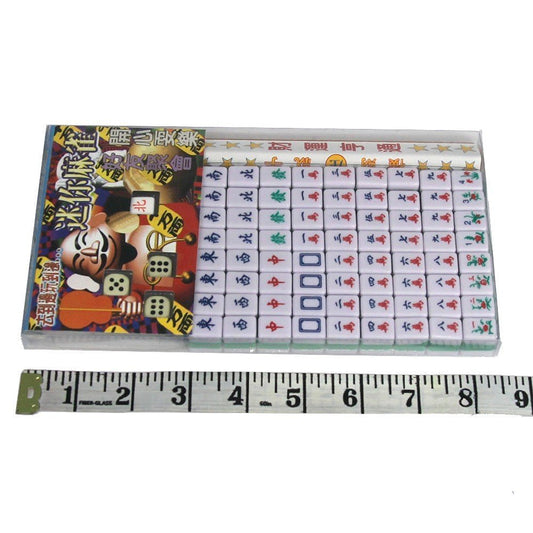
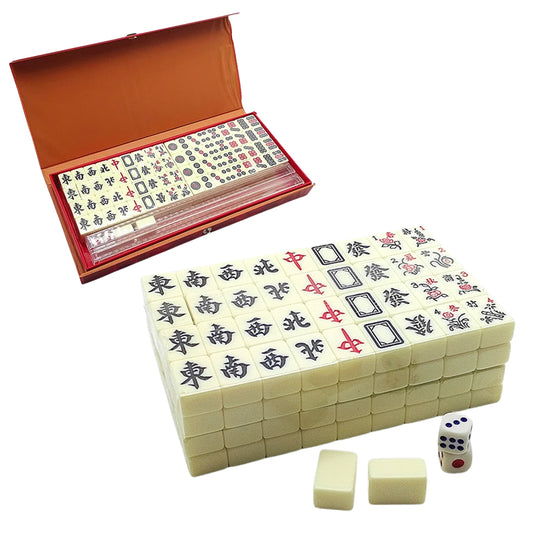
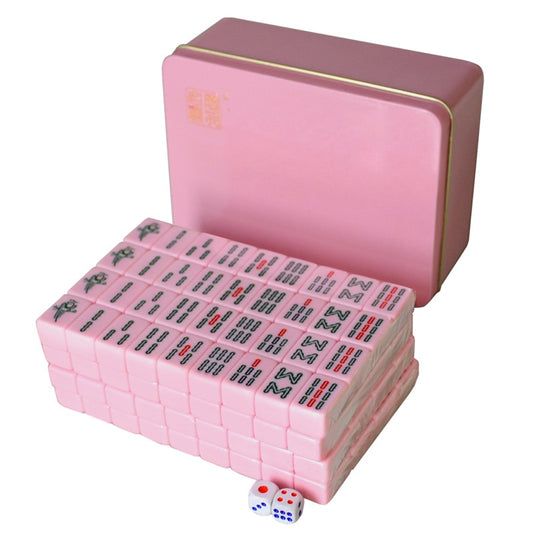
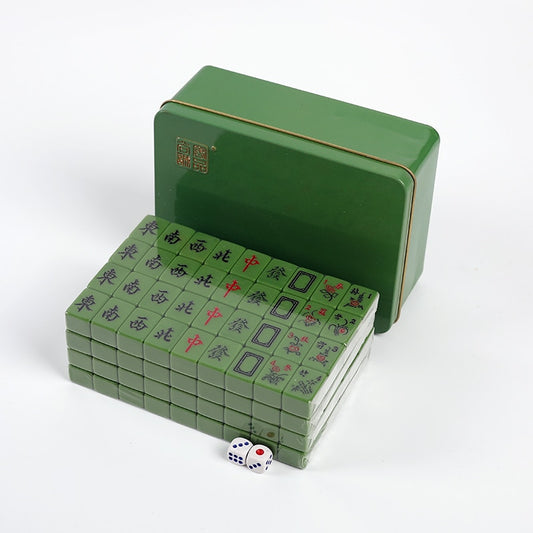
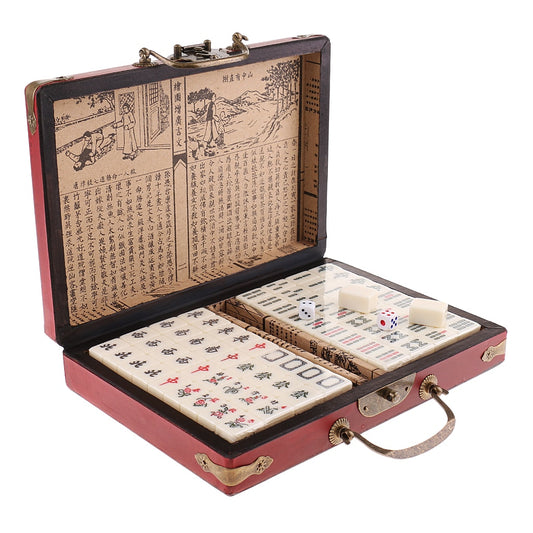
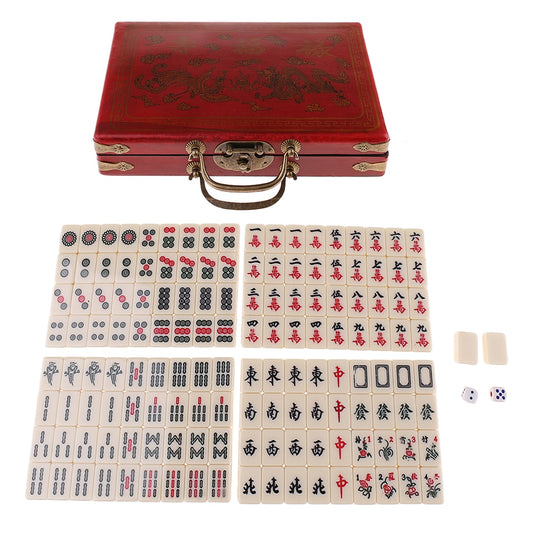
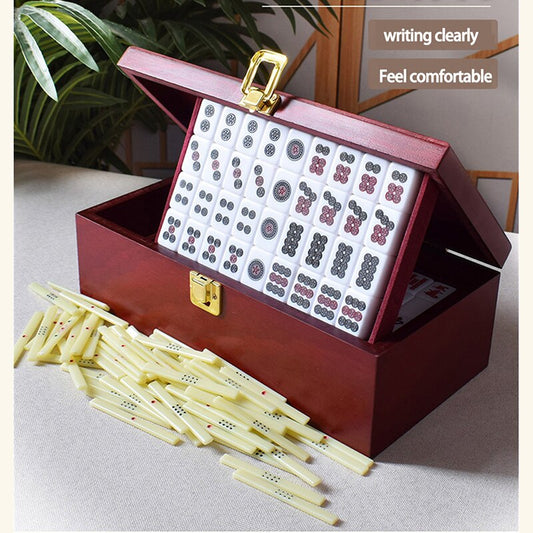
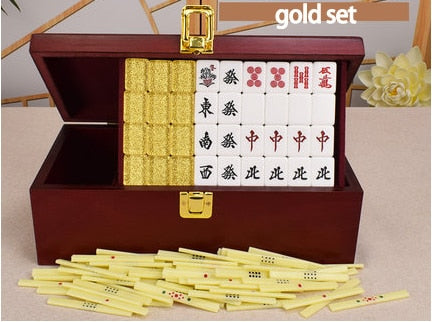
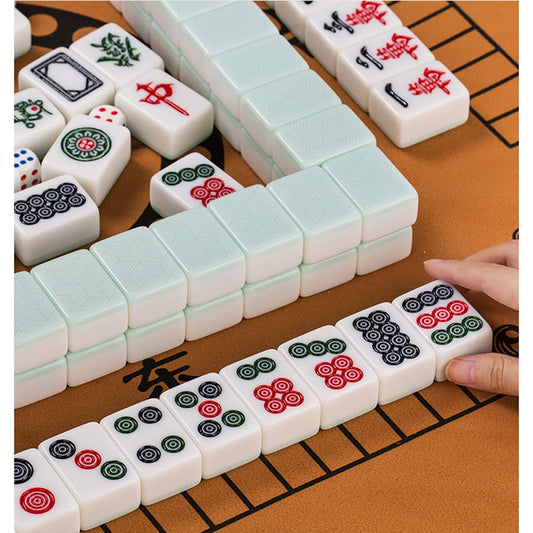
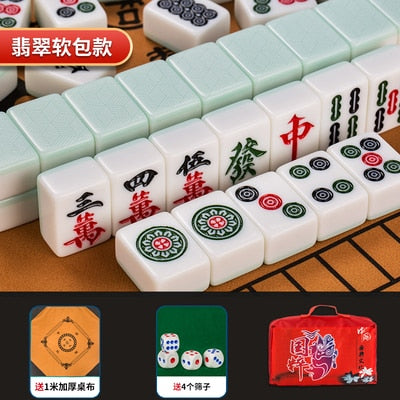
Mahjong is the dominant game type in the current collection. Sets can differ in tile size, artwork, material, case, table or mat accessories and portability.
Mahjong has several regional rule traditions. A set should not automatically be described as Japanese riichi Mahjong unless the tiles, rules or product documentation support that version. Likewise, the presence of Mahjong in a Japanese-themed collection does not mean Mahjong originated in Japan.
Buying tip: if you already play a specific Mahjong ruleset, check tile markings and included instructions before ordering rather than choosing only by case or color.
Simple Strategy and Table Games
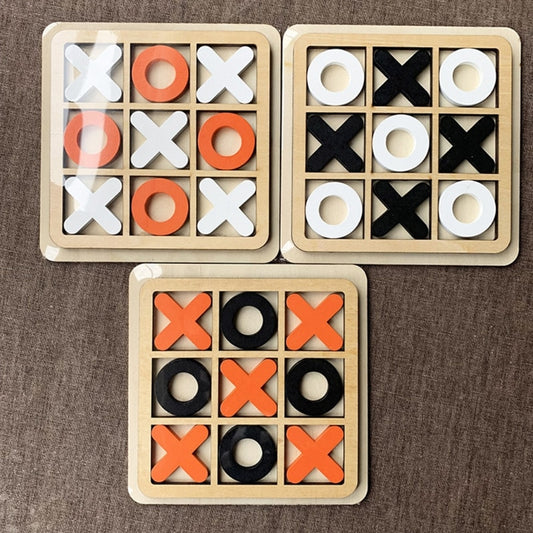
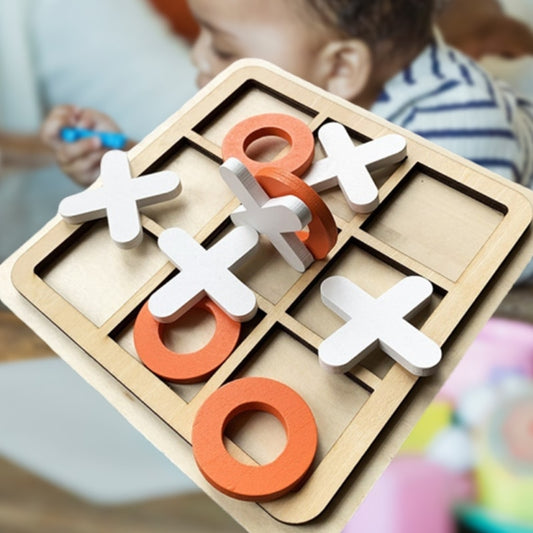
The live assortment also includes simple strategy and tabletop options such as tic-tac-toe-style games. These can be easier to learn than Mahjong and may work better when you want a short casual game rather than a long rules-based session.
Do not assume a product is Shogi, Go or another named traditional Japanese game unless the board, pieces and rules actually match that game.
Math and Learning Games
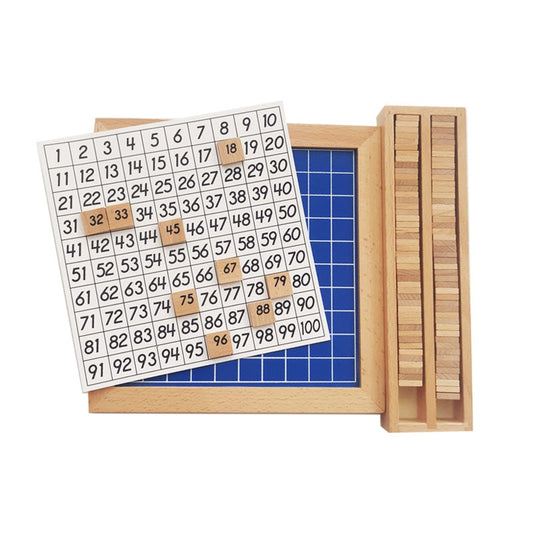
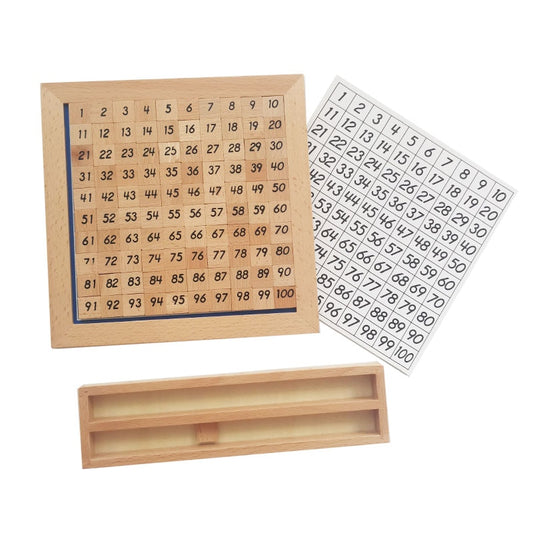
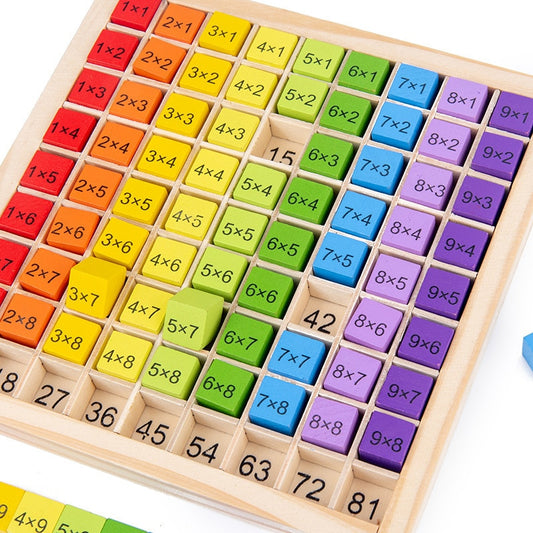
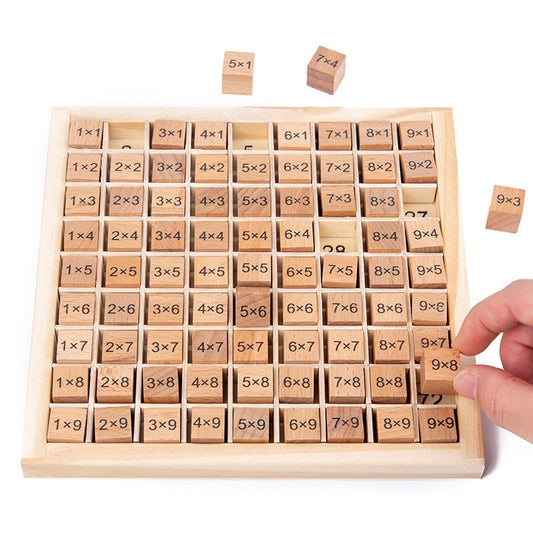
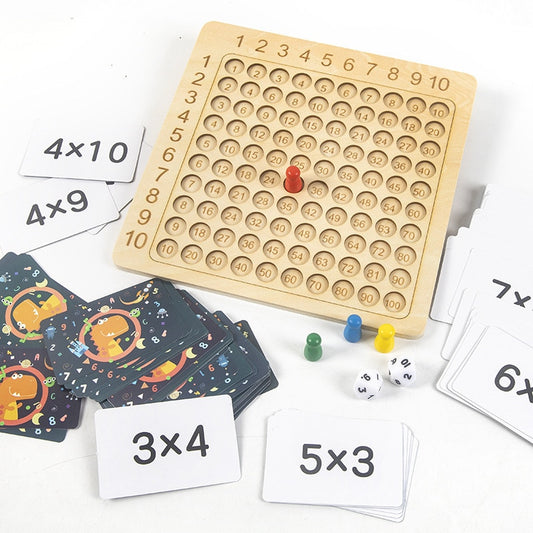
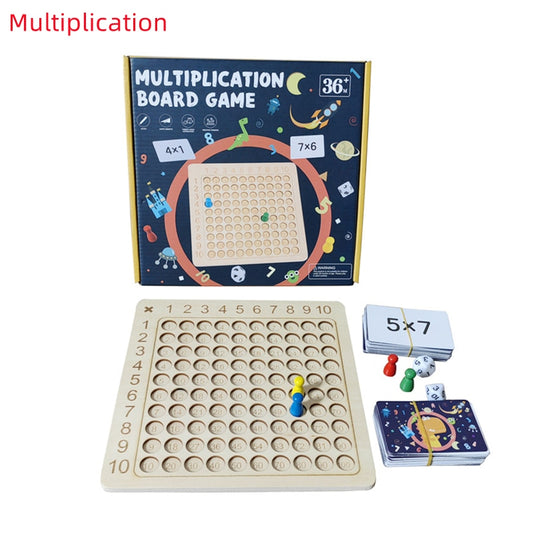
Some products focus on counting or multiplication rather than Japanese cultural gameplay. These should be evaluated as educational tabletop tools, not described as traditional Japanese board games simply because they appear in this collection.
Check the intended age, number range, instructions and whether adult guidance is needed.
Players, Difficulty and Age Suitability
There is no single age recommendation for the whole collection. Some products are simple enough for younger players, while Mahjong and puzzle-based games can require more patience, rules knowledge or strategic thinking.
- Use the individual product’s age guidance when provided.
- Keep small tiles and pieces away from very young children.
- Check whether instructions are available in a language the players can understand.
- Choose complexity based on the group rather than assuming “family game” means suitable for everyone.
What to Check Before Buying
- Number and type of tiles or pieces.
- Board, mat or table dimensions.
- Carrying case or storage tray.
- Rulebook or instruction language.
- Replacement-piece availability if important.
- Material and finish.
A product photo can show staging accessories that are not included, so use the exact listing as the final source.
Are These Traditional Japanese Board Games?
Not all of them. The collection mixes Mahjong products, general strategy games, educational games and puzzles. Traditional Japanese games should only be identified by name when the actual product corresponds to that game.
Do not assume handcrafted Japanese manufacture, lacquered wood, artisan production or historic authenticity unless the individual listing documents it.
What Affects Board Game Prices?
Use the live product cards for current pricing because prices and variants can change. Differences can reflect tile or piece count, material, board size, case, accessories, portability and packaging.
Board Game Care and Storage
- Store tiles and pieces in a dry place.
- Keep complete sets together so pieces are not lost.
- Use a soft dry cloth on finished boards unless the product permits other cleaning.
- Avoid soaking wood, cardboard or unknown materials.
- Keep game components away from food and drinks during play when possible.
- Inspect small pieces before giving a game to children.
Japanese Board Games FAQs
What games are currently in this collection?
The live assortment is mainly Mahjong sets, with additional simple strategy, math-learning and puzzle-style games.
Does this collection currently include Shogi and Go?
Do not assume so. The previous page listed many games that were not actually in the live collection. Use the current product grid as the source of truth.
Are all Mahjong sets Japanese riichi sets?
No. Mahjong has multiple regional rulesets. Check the tile markings and product documentation for the version you want.
Are these games suitable for children?
Suitability varies. Check age guidance, difficulty and small-piece hazards on each product.
Are these games made in Japan?
Do not assume Japanese manufacture from the collection title. Check the individual listing for origin information.
Shop Japanese Board Games
Compare games by ruleset, number of players, difficulty, components, size, portability, age guidance and storage. For the current assortment, Mahjong selection matters more than the broad historic game list that appeared on the old page.