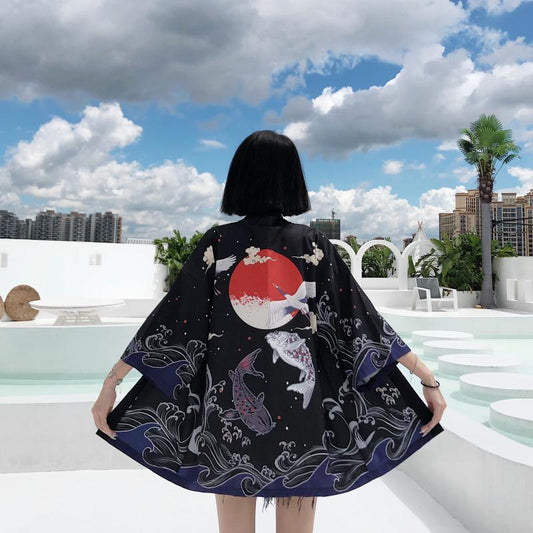
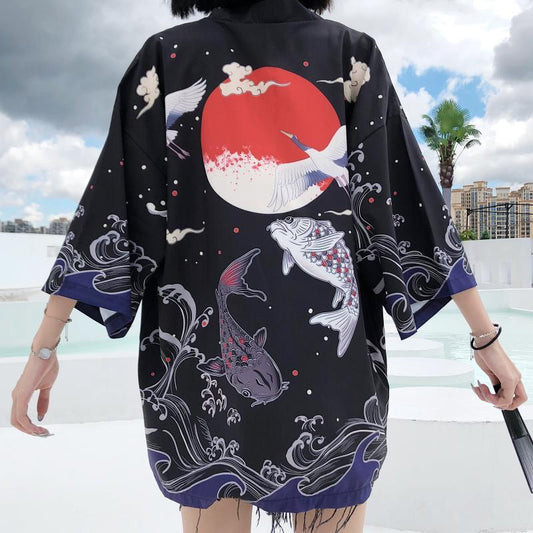
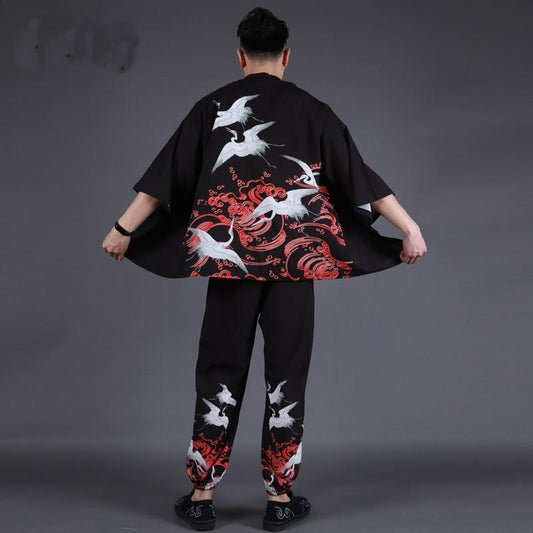
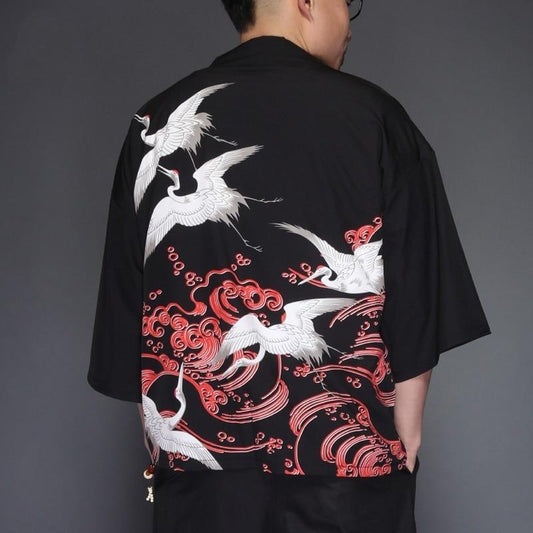
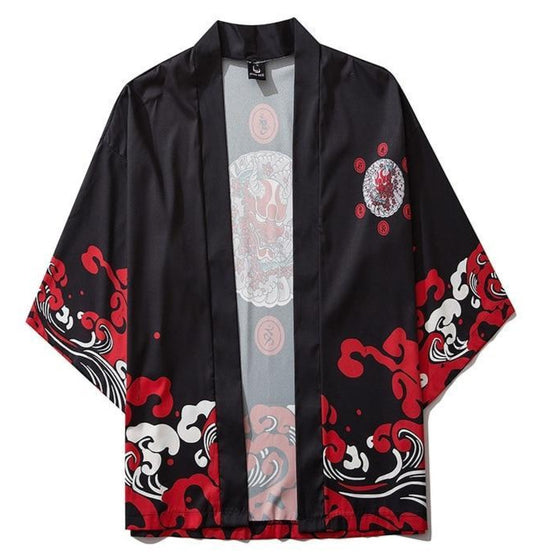
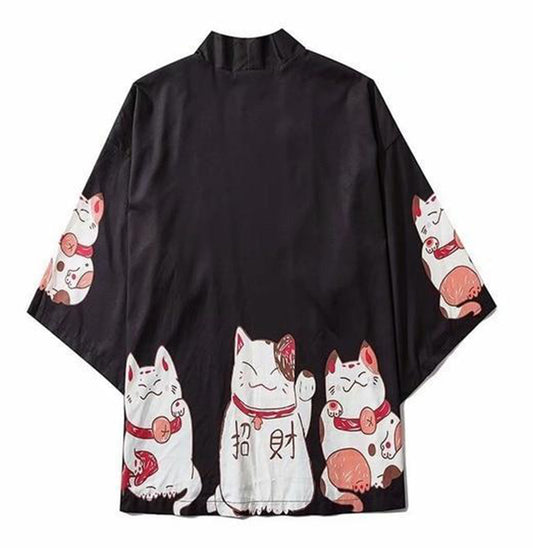
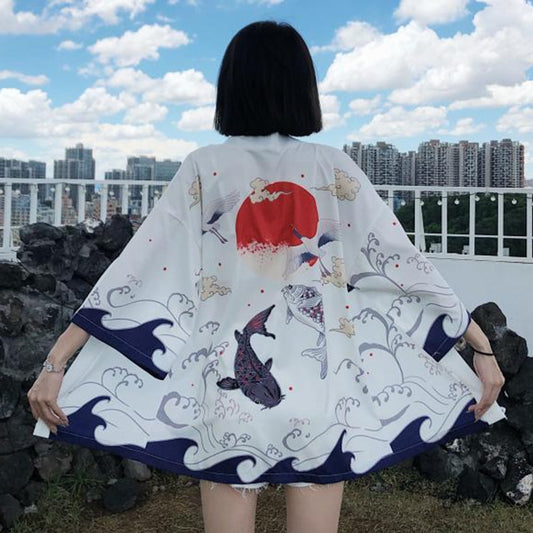
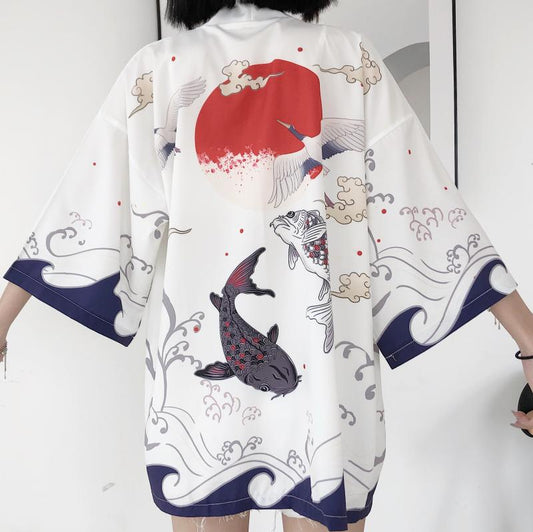
Shop Japanese haori jackets for men and women, including dragon, koi, crane, floral, Oni, Hannya, Kitsune, tiger, wave and modern graphic styles. This main Haori collection brings together traditional-inspired and contemporary haori-style outerwear for casual layering, streetwear, festivals, cosplay, photography and Japanese-inspired outfits.
Haori in this catalog are not all made the same way. Current listings use a mix of modern materials and sizing systems, from one-size pieces to alpha-sized jackets and extended sizes on selected products. Use the individual product page for the exact material, measurements, size range, sleeve shape and garment details rather than assuming every haori has the same fabric or fit.
Jump to: what is a haori · history · styles · how to wear · buying guide · fit · fabric · vintage haori · haori vs kimono, hanten and sukajan · FAQs
Shop Haori Jackets for Men and Women
If you already know which range you want, use the dedicated Men's Haori Jackets or Women's Haori Jackets collections. This parent collection is better for comparing designs across both ranges.
Ways to browse the Haori collection.
| Browse by |
What you will find |
| Men's Haori |
Graphic, dragon, tiger, demon, samurai-inspired and casual haori-style jackets |
| Women's Haori |
Floral, bird, graphic and modern haori-style layers selected for the women's range |
| Traditional-inspired |
Jackets using haori proportions, Japanese motifs or kimono-inspired styling |
| Modern graphic |
Contemporary haori-style outerwear with bold prints, back artwork and streetwear-oriented designs |
| Costume and cosplay |
Selected samurai-, demon- and character-inspired pieces for themed styling |
What Is a Haori?
A haori (羽織) is a Japanese outer jacket traditionally worn over kimono. Historical haori are shorter than a full kimono and function as an outer layer rather than as the main wrap garment. Materials, decoration and formality have varied across period, wearer and use.
In modern fashion, the word haori is also used for contemporary jackets and open-front layers inspired by the traditional silhouette. That distinction matters when shopping online. A modern graphic jacket can be haori-inspired without being an antique, a formal silk garment or an exact historical reproduction.
A Short History of Haori
Haori belong to the history of Japanese dress and developed as outer garments worn with kimono. Historical examples show variation in material, lining, decoration, formality and intended wearer. Men's formal haori could use restrained exteriors with more decorative linings, while women's haori developed a wide range of dyed, woven and patterned treatments.
For shoppers, the useful distinction is simple: traditional haori have a real Japanese clothing history, while many products sold online today are modern interpretations. Product titles such as “traditional,” “vintage,” “samurai” or “yukata” should therefore be read alongside the actual material, construction and product description.
Popular Haori Styles
Dragon Haori Jackets
Dragon haori are one of the strongest visual directions in modern Japanese-inspired outerwear. Designs can range from large printed back artwork to embroidered details. Compare the individual product photos and material information rather than assuming every dragon haori uses the same construction.
Koi, Fish and Crane Haori
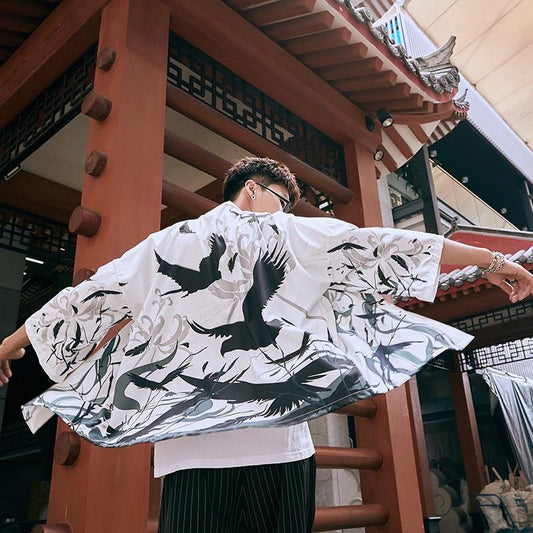
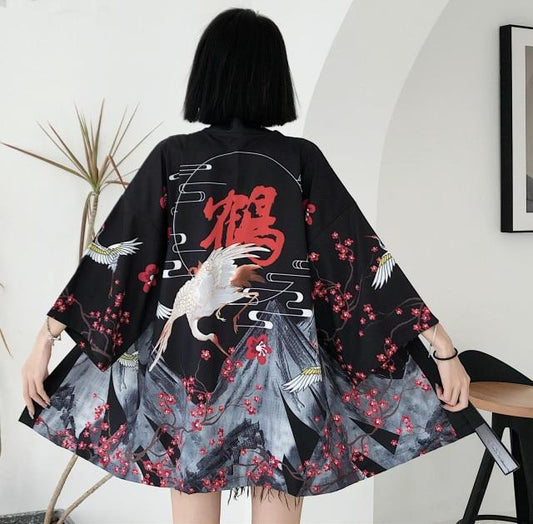
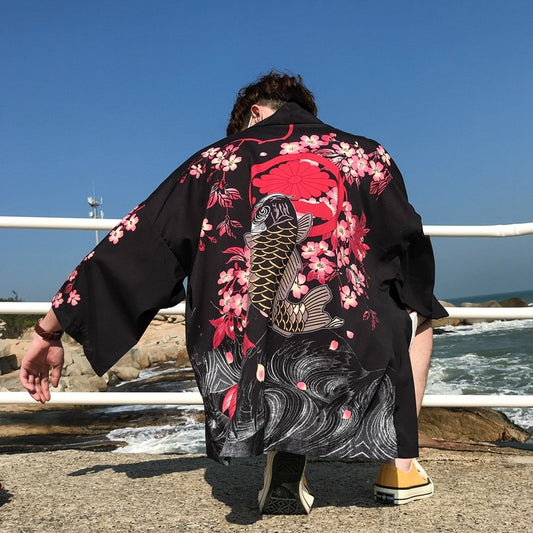
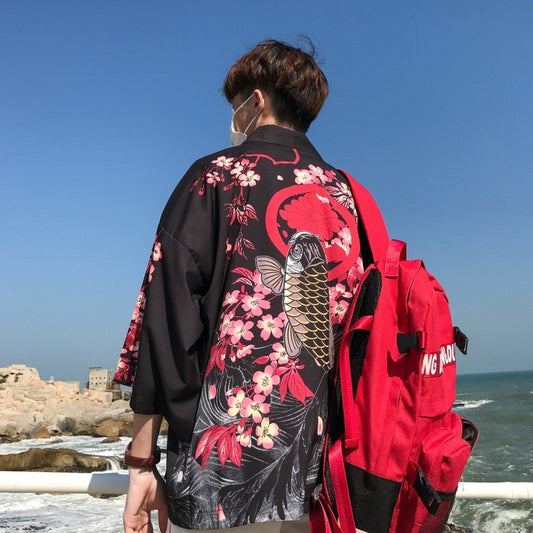
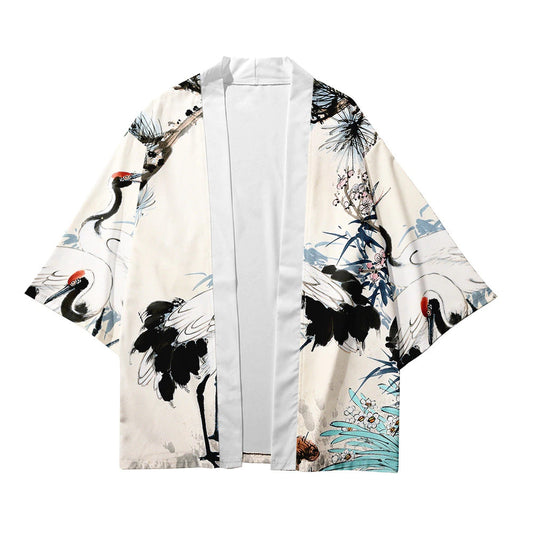
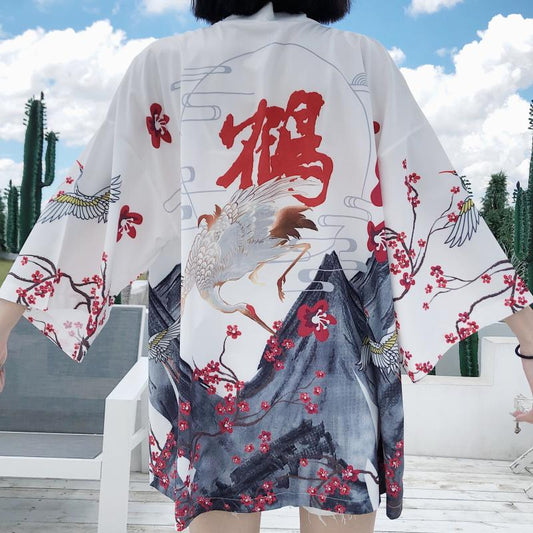
Koi, fish and crane artwork works especially well when the back illustration is intended to be the main visual feature. Current examples in the collection include fish-design and crane jackets in both lighter and darker colorways. Keep the layer underneath relatively simple if you want the artwork to remain easy to read.
Oni, Hannya and Kitsune Haori
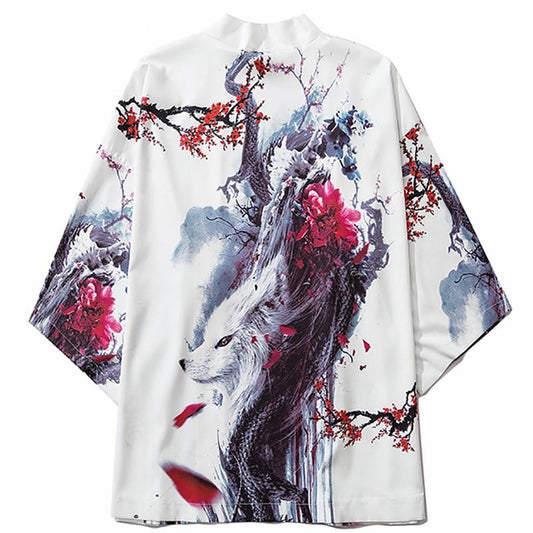
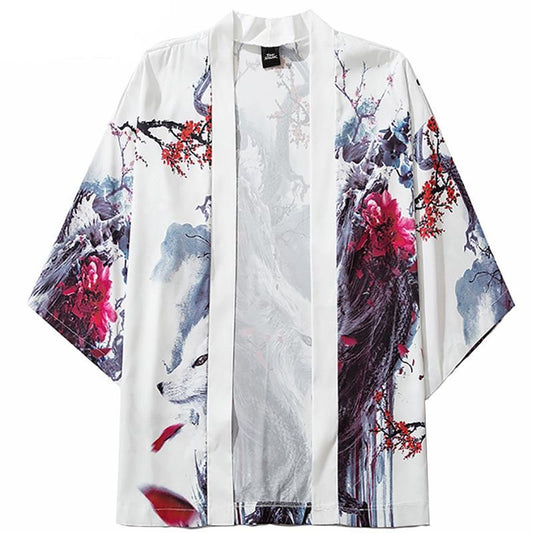
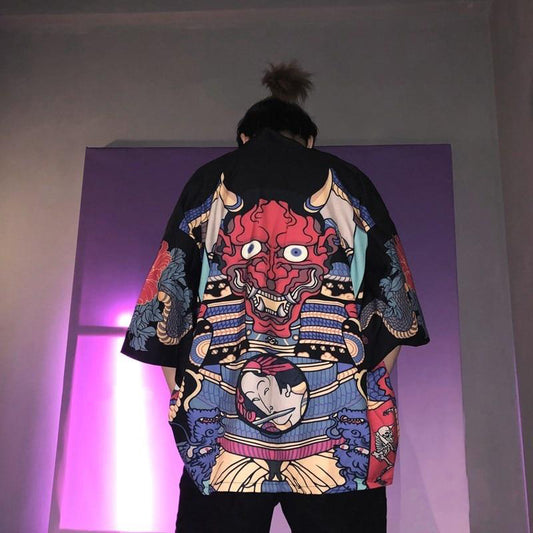
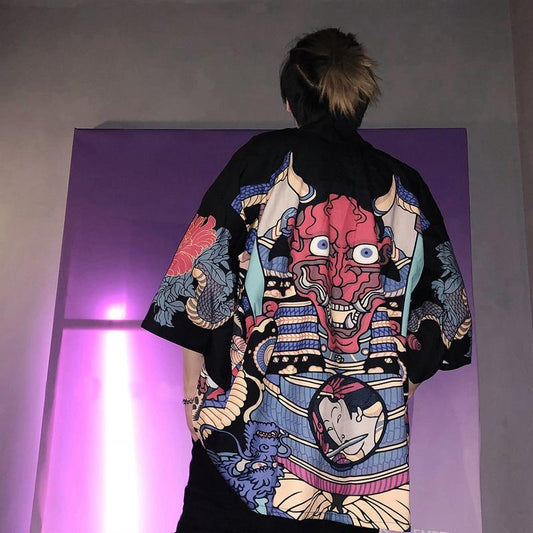
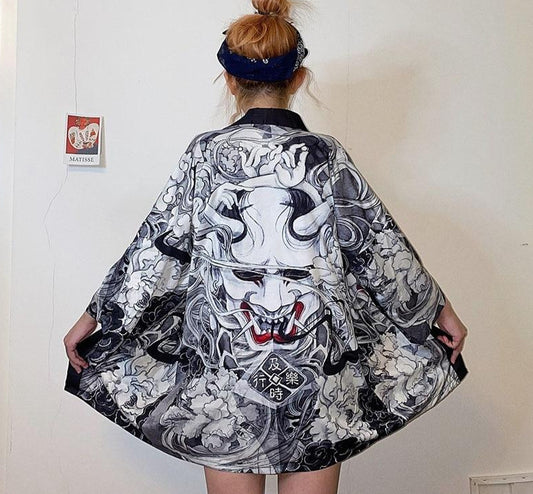
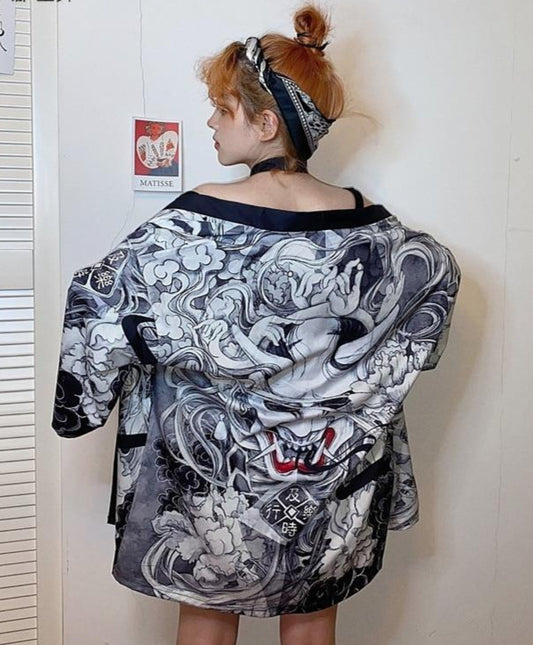
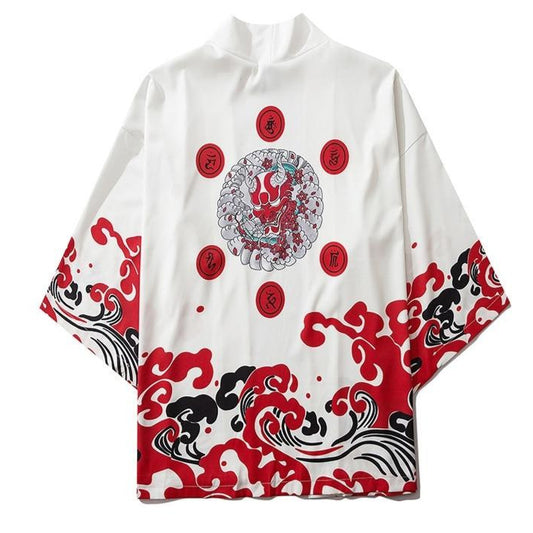
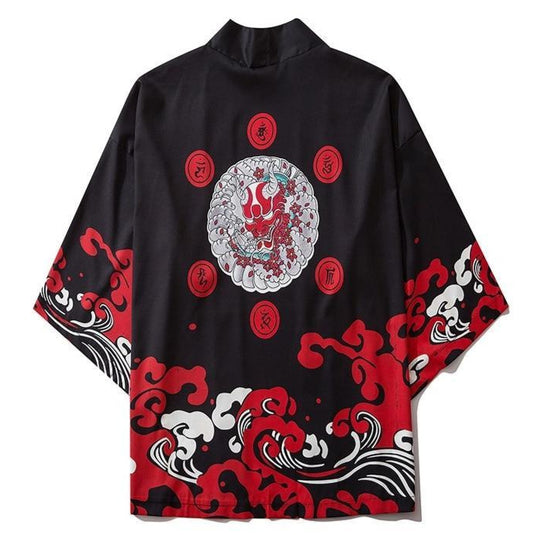
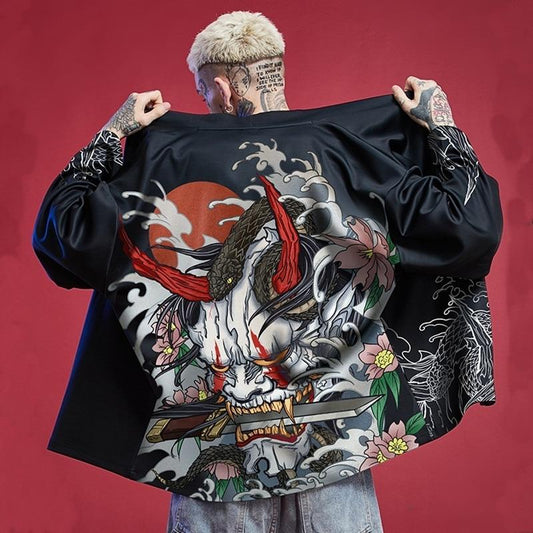
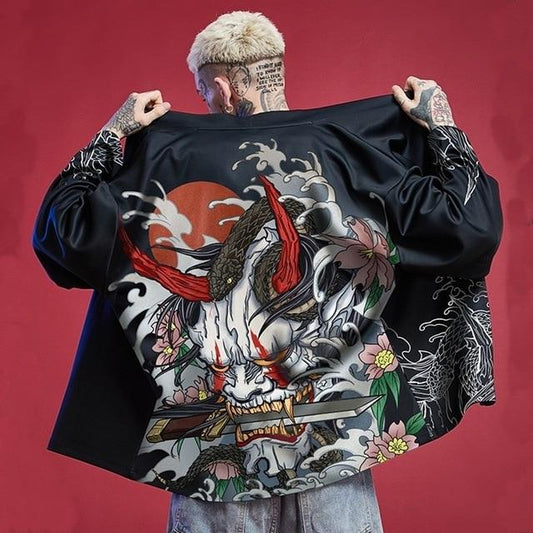
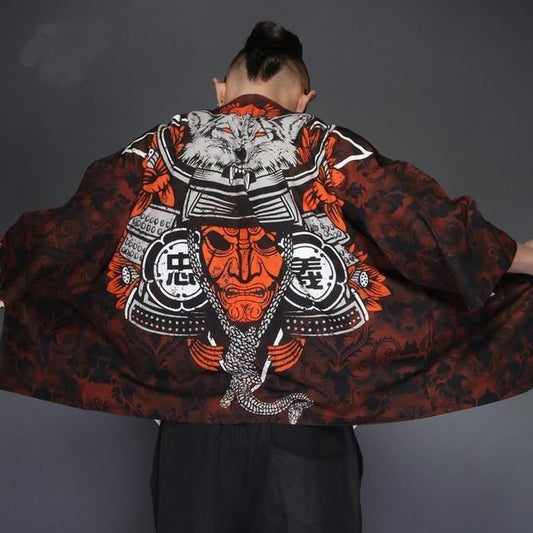
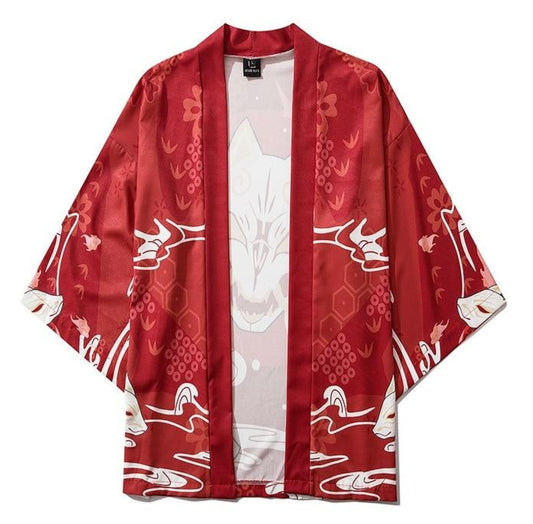
Mask and demon imagery is another major part of the range. The Hannya Haori, Oni Japanese Haori and Haori Jacket Kitsune connect Japanese folklore and mask imagery with modern outerwear. These are contemporary fashion pieces, not historical Noh costumes or samurai garments simply because their artwork references Hannya, Oni or Kitsune imagery.
Floral, Sakura and Bird Haori
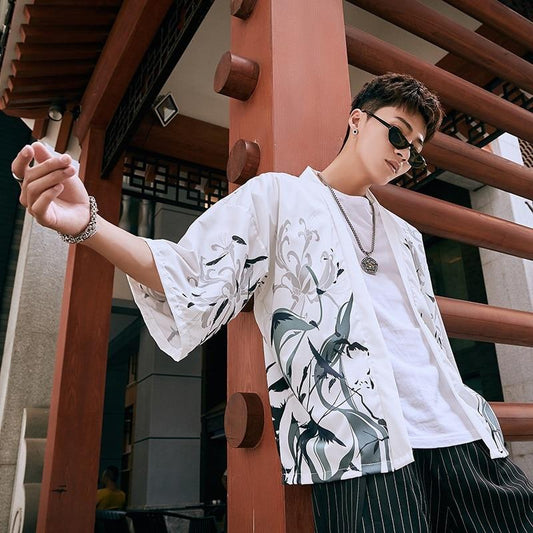
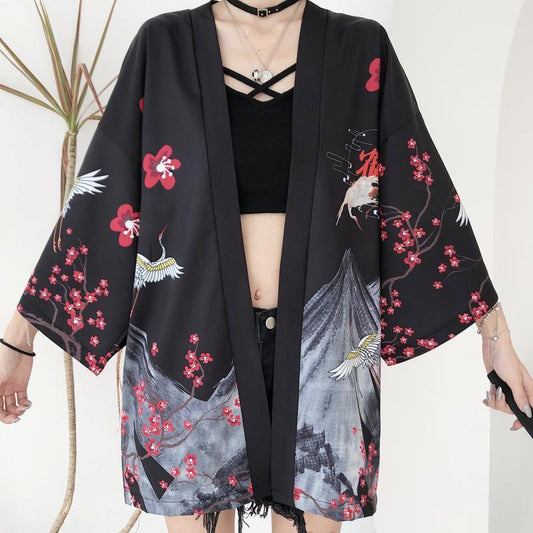
For a softer visual direction, browse floral, sakura, crane and bird patterns. Current products include the Crane Haori Jacket, black and white sakura styles and several bird-focused designs. Some use large back graphics while others rely on more distributed patterning.
Tiger, Wave, Ocean and Lucky Cat Designs
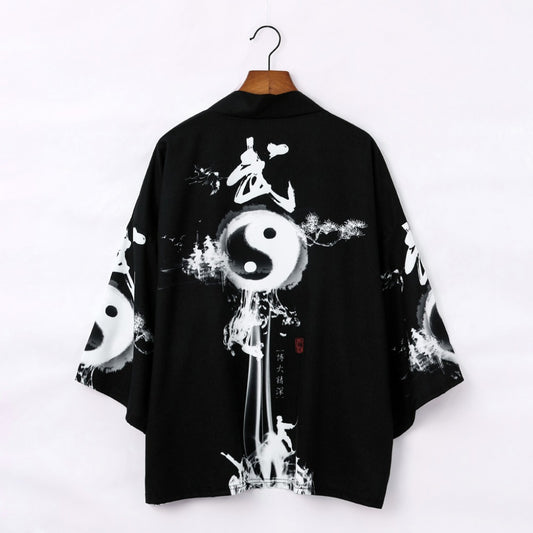
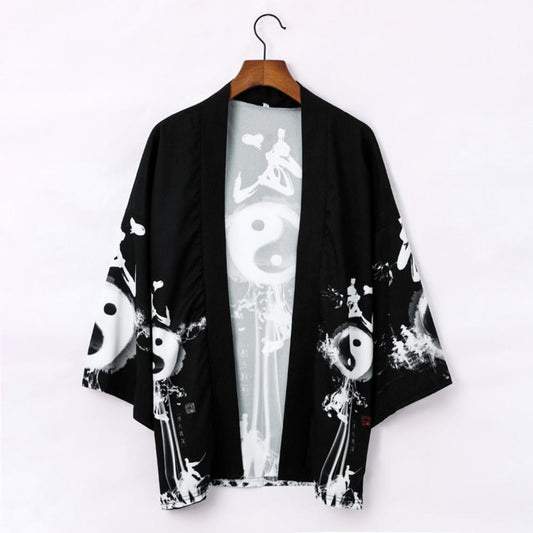
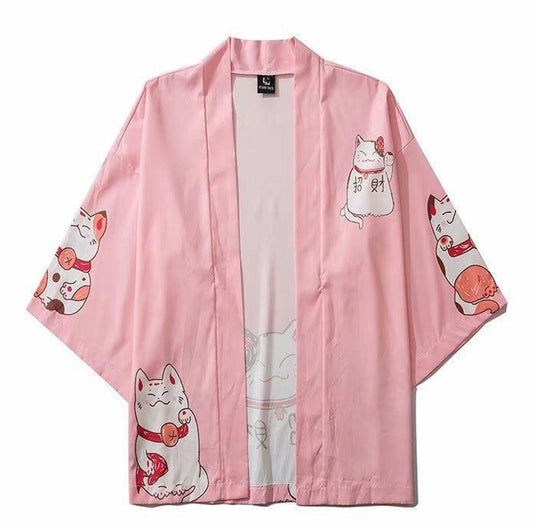
The collection also includes tiger artwork, wave and ocean designs, lucky-cat graphics and other modern Japanese-inspired prints. Check front, back and side product images before ordering so you know exactly where the main artwork sits on the garment.
How to Wear a Haori Jacket
A haori can work as a flexible outer layer, but styling should match the exact garment rather than assuming every product has the same weight, sleeve length or level of formality.
-
Casual everyday outfit: wear a modern haori-style jacket over a plain T-shirt, tank or simple top with jeans or trousers.
-
Streetwear: pair a black, demon, tiger, dragon or wave haori with simpler layers and let the jacket provide the main print.
-
Festival or convention: check the full outfit together, especially if you are adding a mask, wig, belt or costume accessory.
-
Dress or skirt styling: a lighter floral, bird or simple haori can work as an open outer layer over a dress or skirt outfit.
-
Traditional kimono styling: if you are wearing a haori with kimono for a formal cultural setting, follow the conventions for that garment and occasion rather than relying on casual streetwear styling.
A haori-style jacket does not have to be limited to one season, but fabric weight matters. A lightweight modern layer behaves differently from a lined or heavier jacket, so check the individual listing before treating a product as summer or winter outerwear.
Buying a Haori Online
The most useful buying factors are fit, fabric, design placement and how you plan to layer the jacket.
1. Haori Fit and Sizing
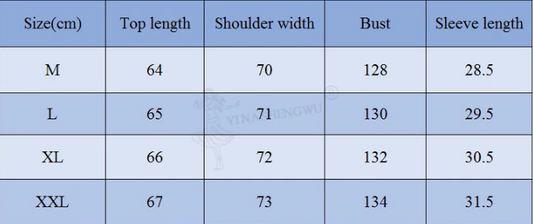
Haori are often worn with a relaxed silhouette, but relaxed does not mean sizing is universal. This collection includes one-size items as well as alpha-sized and extended-size jackets.
-
Check the exact size selector: do not assume your size on one haori transfers directly to another.
-
Compare garment measurements when available: chest width, shoulder width, sleeve length and garment length are more useful than a generic size label alone.
-
Think about layering: if you plan to wear a hoodie, sweater or costume underneath, allow enough room for the extra layer.
-
Check sleeve length and shape: short, three-quarter and longer sleeves create different silhouettes.
-
Use product photos for proportion: especially when a listing is one size or provides limited measurements.
2. Haori Fabric and Material
Do not assume a haori is silk because it has a traditional-looking print. Many current products are modern fashion garments made from polyester or blended fabrics, while selected jackets use cotton-containing or rayon-containing blends. Material should always be confirmed on the individual product page.
Historical and genuine vintage haori may use silk, rayon and other textiles, but that is different from claiming that every modern haori sold online is silk or artisan-made. Treat fiber content, lining and construction as product-specific details.
3. Haori Design and Artwork Placement
Choose a design you will realistically wear, not just the most detailed image in the grid. Large dragon, Oni, Hannya or tiger artwork can make the jacket the center of an outfit. Floral, bird, wave or simpler patterned designs may be easier to combine with more clothing.
Also check whether the main artwork is on the back, front or all over the garment. A backpack, outer coat or long hair can hide part of a large rear graphic.
What Affects Haori Prices?
Haori prices can change by product, variant and promotion, so use the product card and individual listing for the current selling price. Price alone does not tell you whether a jacket is more traditional, more durable or made from a particular fiber.
-
Material and lining can affect price and garment feel.
-
Embroidery vs printing may change the amount of decoration and construction work involved.
-
Garment size and cut can differ between products.
-
Current promotions can change independently of the collection description.
Compare the exact variant, material and construction you intend to buy rather than relying on a fixed collection-wide price range.
Vintage Haori vs Vintage-Style Haori
Vintage haori and vintage-style haori are not the same thing. A genuine vintage haori is an older garment from an earlier period. Age, condition, provenance, fiber and construction matter when evaluating an authentic vintage piece.
In modern retail, “vintage” can also be part of a product name or design description. That should not be treated as proof that a garment is antique, period-made or collectible. Check the individual listing for evidence of age and origin before making that assumption.
Traditional Japanese Haori vs Modern Haori Jackets
Traditional haori context compared with modern haori-style fashion.
| Feature |
Traditional or historical haori |
Modern haori-style products |
| Role |
Outer jacket worn with Japanese dress |
Fashion layer, streetwear, costume or Japanese-inspired outerwear |
| Materials |
Varies by period and garment, including silk, rayon and other textiles |
Often modern synthetic or blended fabrics, depending on the product |
| Decoration |
Varies by period, wearer, technique and formality |
Large printed graphics, embroidery, modern motifs and fashion prints |
| Authenticity claim |
Depends on age, construction, provenance and garment type |
Do not assume antique, made in Japan or historically exact unless the product listing verifies it |
Haori vs Kimono, Hanten and Sukajan
These Japanese clothing terms are related to outerwear and dress, but they are not interchangeable.
| Garment |
Simple distinction |
Shop |
| Haori |
Japanese outer jacket traditionally worn over kimono; modern fashion also uses haori-inspired jacket forms |
This collection |
| Kimono |
The main wrap garment, longer and structurally different from an outer haori jacket |
Kimono collection |
| Hanten |
A different Japanese jacket category, commonly associated with practical or casual outerwear |
Hanten collection |
| Sukajan |
Japanese souvenir-style bomber jacket, usually with a Western bomber silhouette and embroidered imagery |
Sukajan collection |
How to Care for a Haori Jacket
Care depends on the fabric, lining and decoration. There is no safe universal wash instruction for every haori in this collection.
- Read the garment label or product instructions first.
-
Polyester and blended garments: follow the stated washing guidance and avoid excessive heat unless the product specifically allows it.
-
Printed designs: avoid harsh bleach and abrasive treatment that can damage the artwork.
-
Embroidery: protect raised threads from snagging and friction.
-
True vintage or delicate haori: may require different care from modern fashion pieces; specialist cleaning can be appropriate for valuable garments.
-
Storage: keep the jacket clean and fully dry, and avoid leaving it crushed under heavy clothing for long periods.
Haori Jacket FAQs
What is a haori jacket?
A haori is a Japanese outer jacket traditionally worn over kimono. Modern fashion also uses the term for jackets and open layers inspired by the traditional silhouette.
How do you wear a haori?
Modern haori-style jackets can be layered over T-shirts, shirts, dresses and other simple clothing. If you are dressing in formal traditional Japanese clothing, follow the conventions for that garment and occasion rather than casual streetwear styling.
Do you sell haori for men and women?
Yes. This parent collection includes haori and haori-style jackets for both ranges, with separate Men's Haori Jackets and Women's Haori Jackets collections for more focused browsing.
Are your haori jackets made from silk?
Do not assume so. Many current store products are modern synthetic or blended garments. Historical and genuine vintage haori may use silk and other fibers, but each current product's material should be checked on its own listing.
Is a vintage-style haori the same as an antique haori?
No. “Vintage” can be used as a style term in a modern product name. A genuine vintage or antique haori requires evidence of age and should not be assumed from the word alone.
What is the difference between a haori and a kimono?
A kimono is the main wrap garment, while a haori is an outer jacket worn over Japanese dress. Modern haori-inspired jackets can also be worn with contemporary clothing.
What should I check before buying a haori online?
Check the exact size range, garment measurements when available, material, sleeve and garment length, artwork placement and care guidance. If you plan to layer it over thicker clothing, allow enough room for that layer.
What haori designs are available?
The range includes dragon, koi and fish, crane and bird, floral and sakura, Oni, Hannya, Kitsune, tiger, wave and ocean, lucky-cat, samurai-inspired and other modern graphic designs.
Shop Haori Jackets
Compare the current products by design, material, size range, sleeve shape and intended use. For a narrower selection, browse Men's Haori Jackets or Women's Haori Jackets.
Shop Haori

 Sale
Sale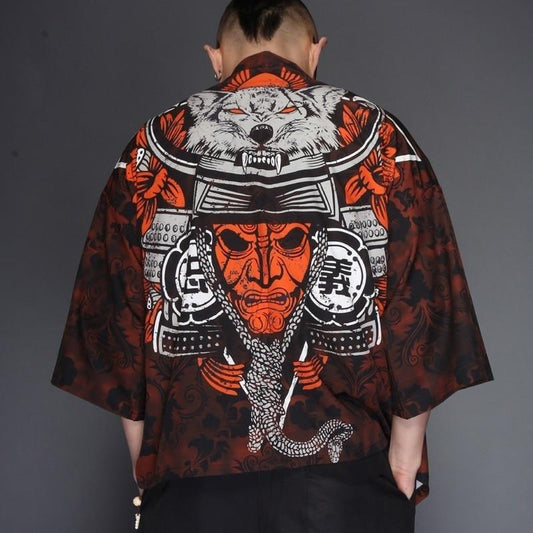
 Sale
Sale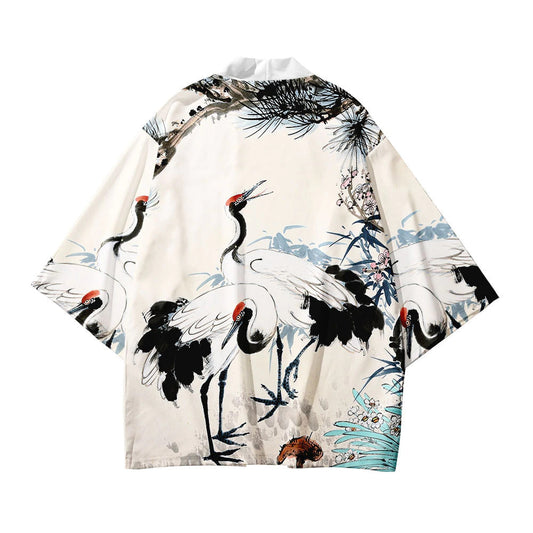
 Sale
Sale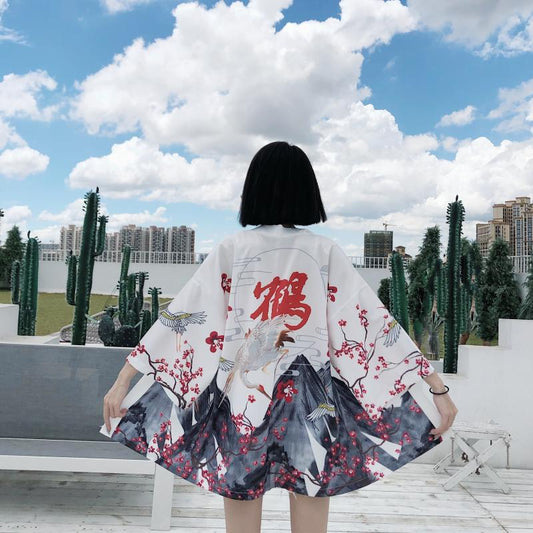
 Sale
Sale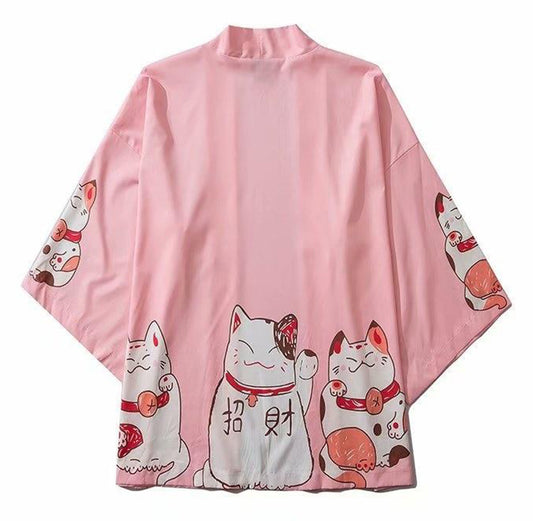
 Sale
Sale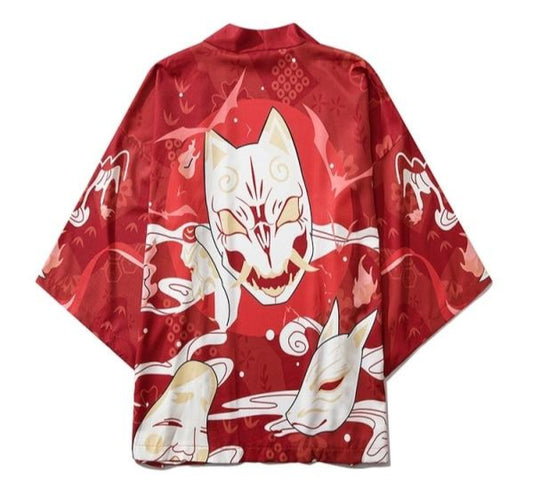
 Sale
Sale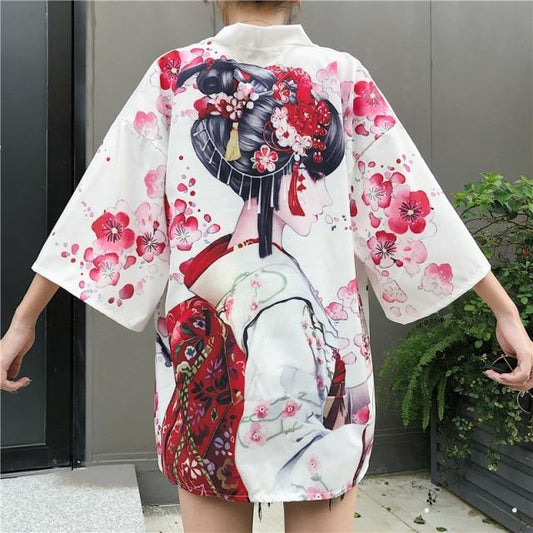
 Sale
Sale