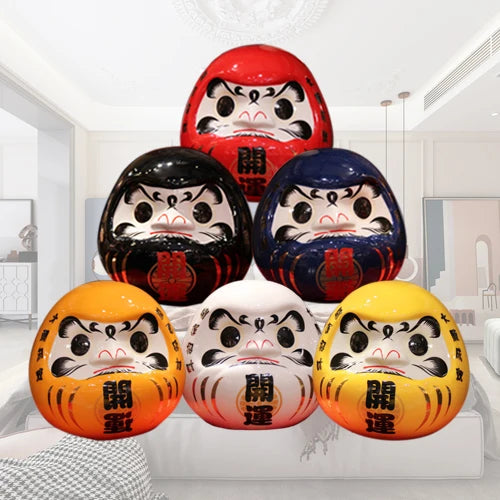
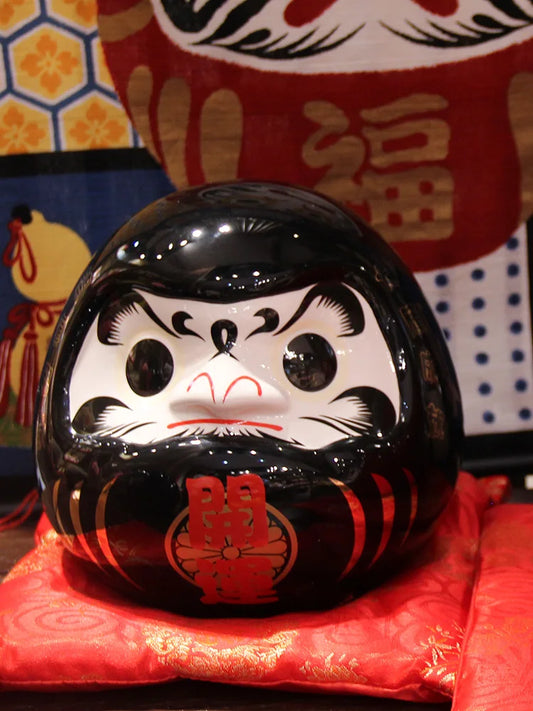
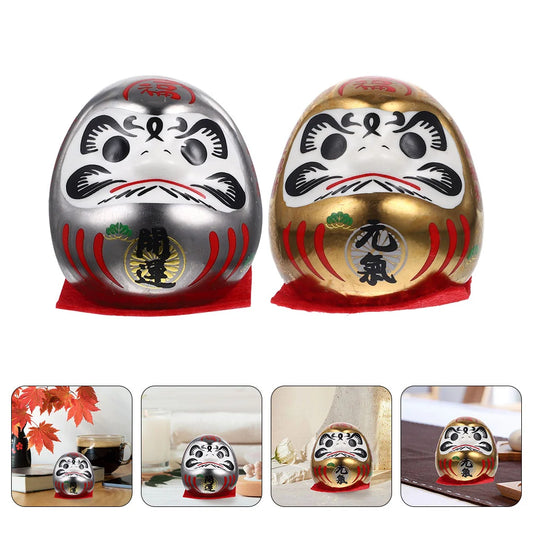
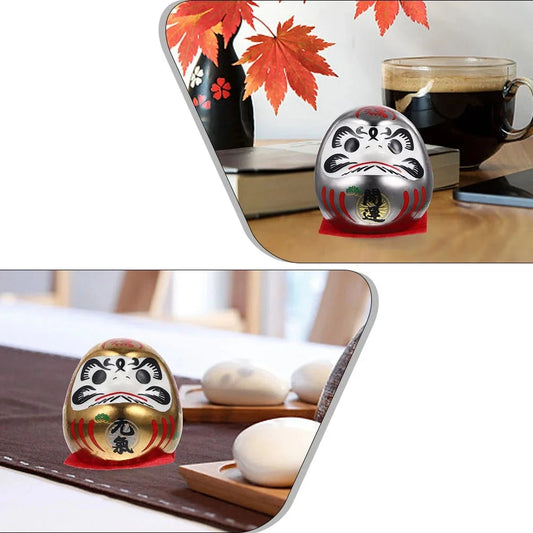
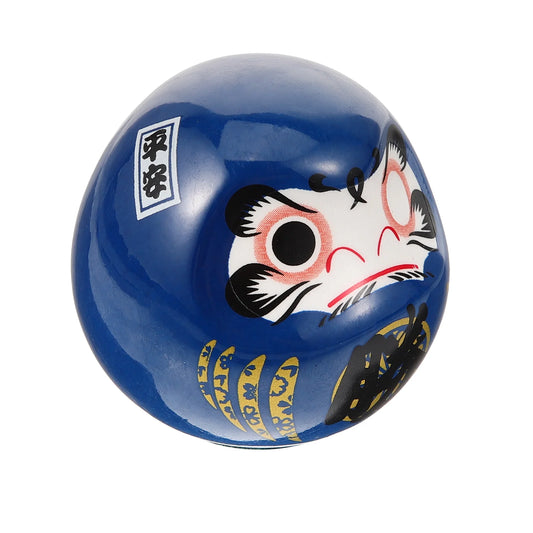
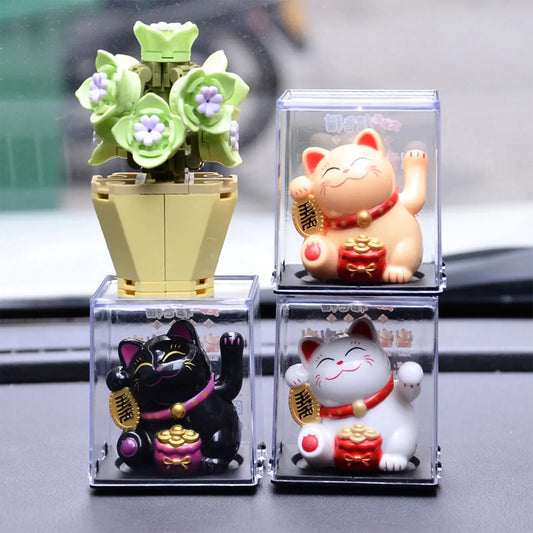
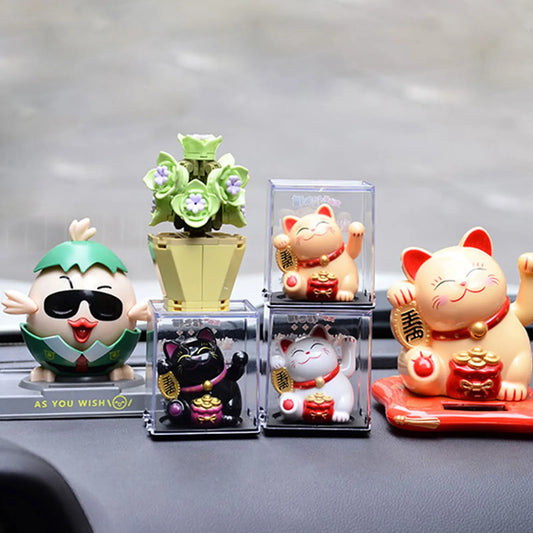
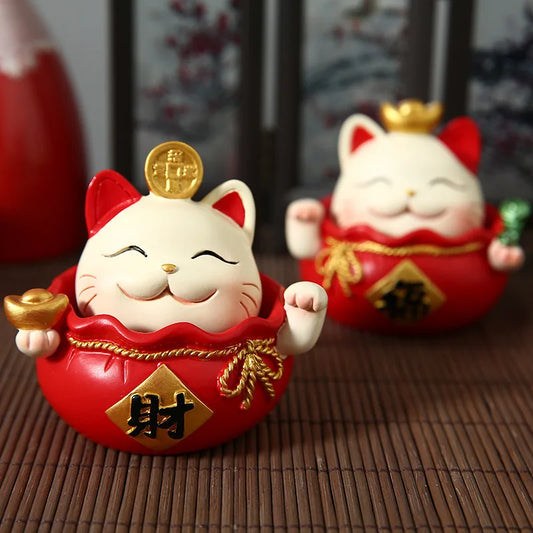
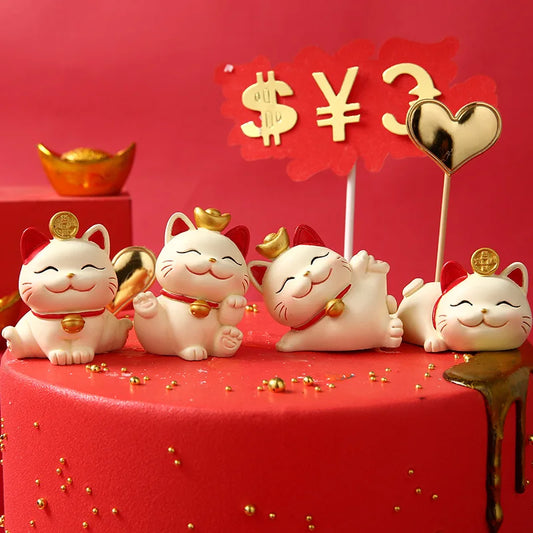
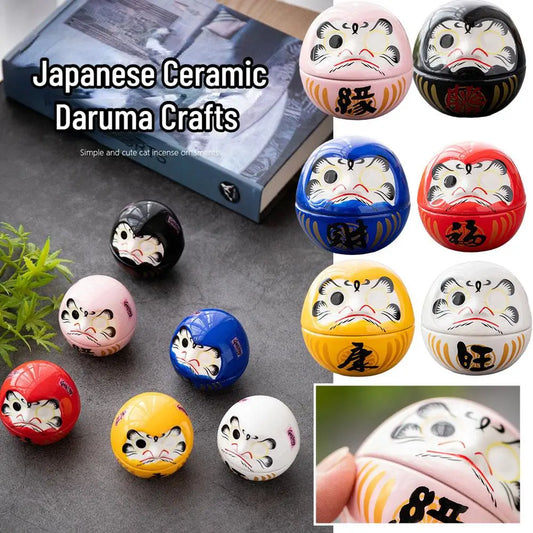
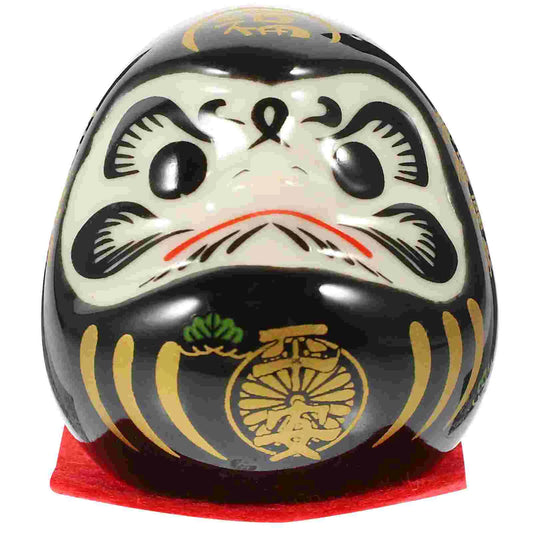
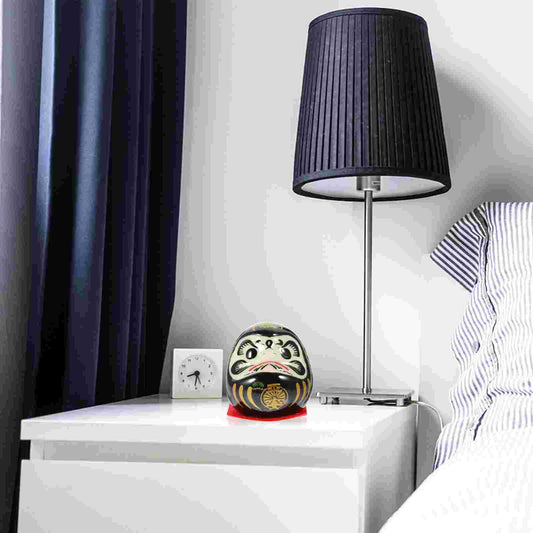
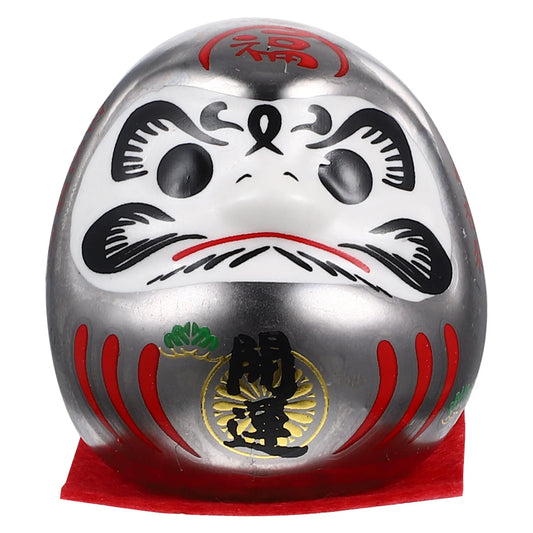
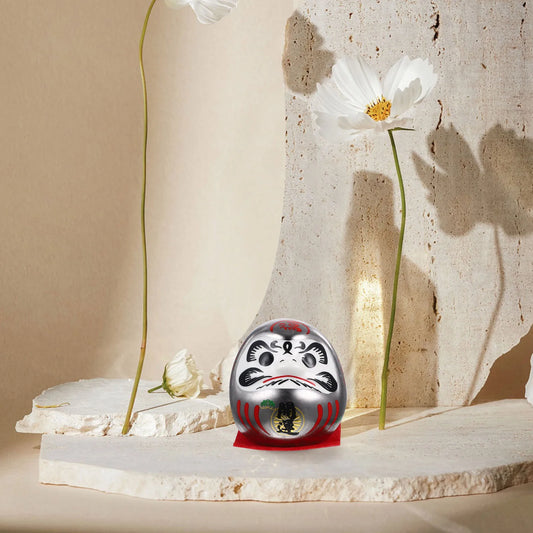
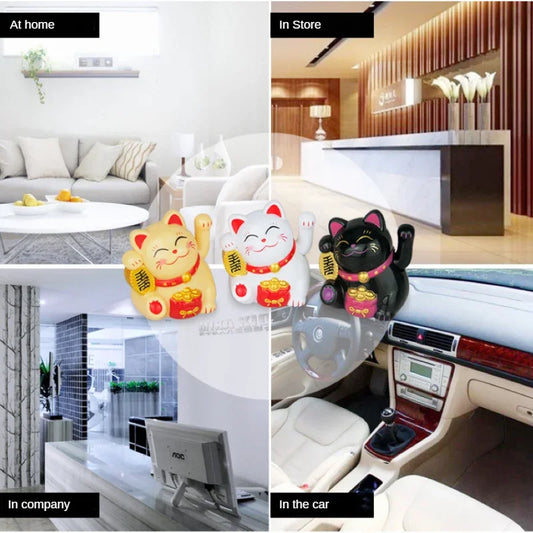
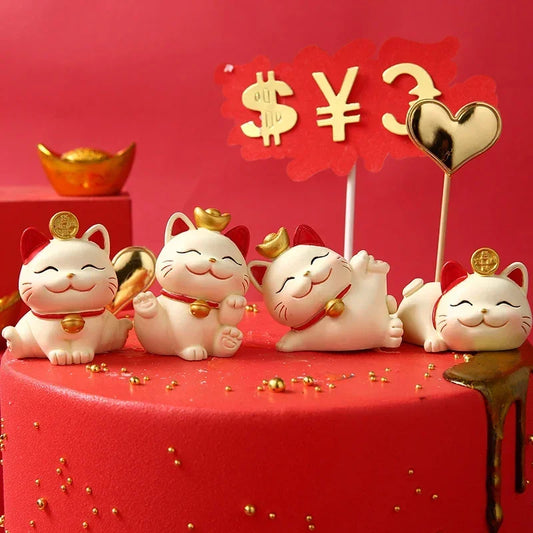
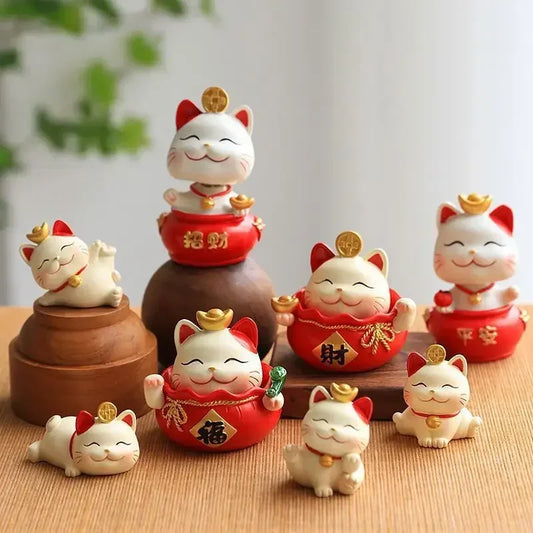
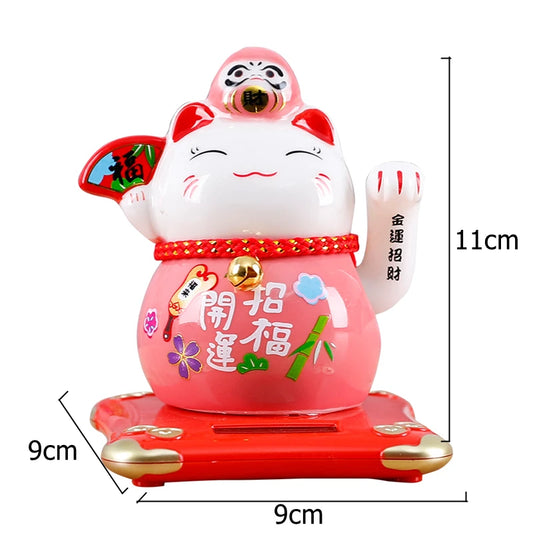
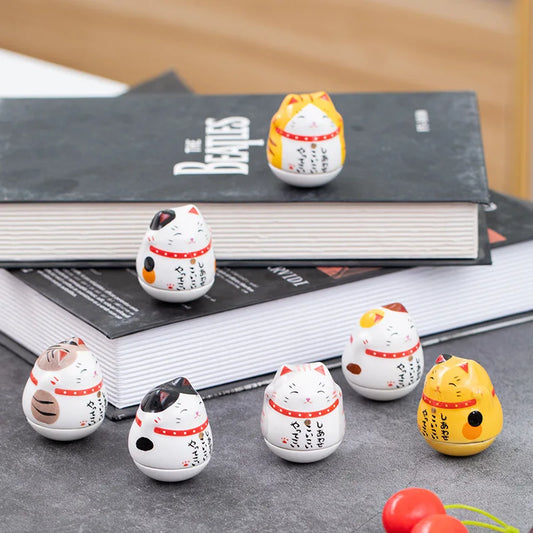
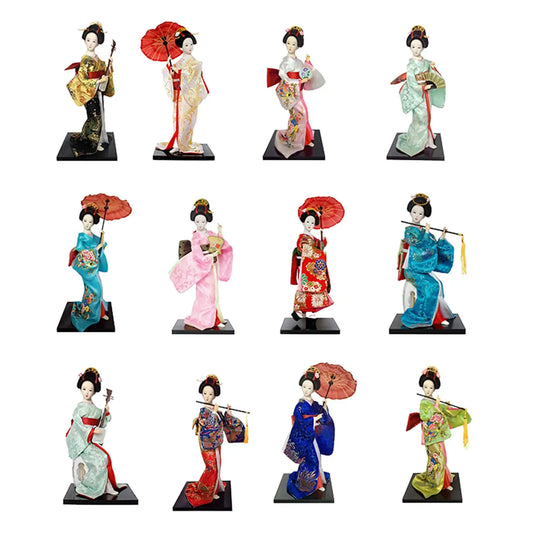
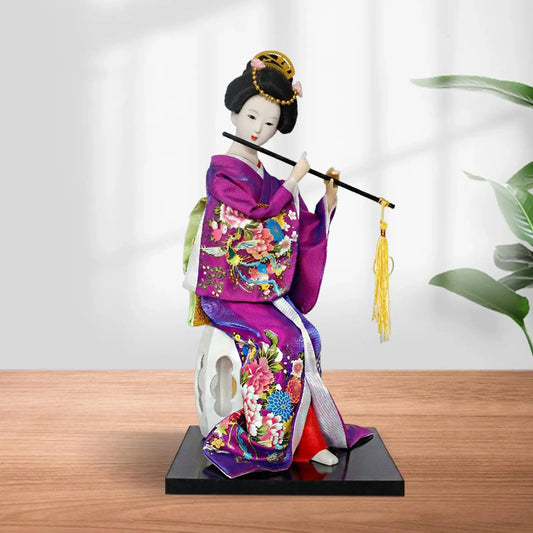
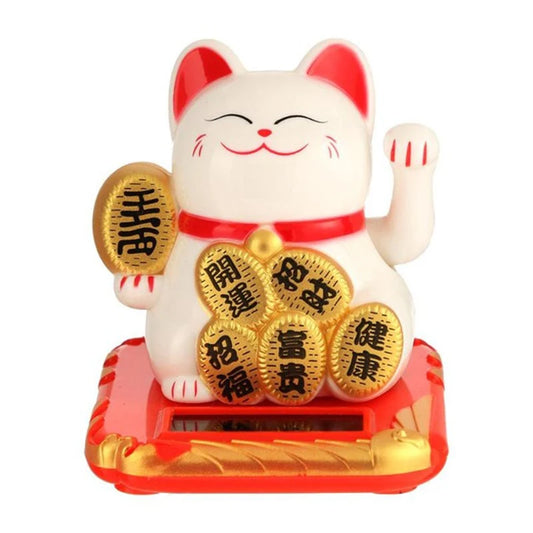
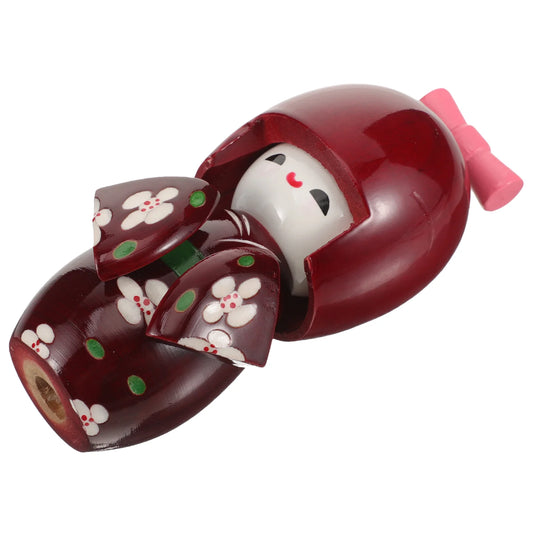
Shop Japanese figurines and Japanese-inspired decorative figures including Daruma, Maneki Neko, Kokeshi-style dolls, geisha figures and other small display pieces. This collection works as the broader figurine hub, while dedicated collections cover the main subtypes in more depth.
Materials, size, finish, origin and cultural context vary by product. Do not assume every figurine is handmade in Japan, traditionally produced, limited edition, antique, ceramic or historically authentic unless the individual listing documents it.
Jump to: types · how to choose · Daruma · Maneki Neko · Kokeshi · geisha figures · display · care · FAQs
Japanese Figurine Types
| Figurine type |
What makes it distinct |
Best next collection |
| Daruma |
Rounded form, perseverance and goal-setting associations |
Japanese Daruma Dolls |
| Maneki Neko |
Beckoning-cat form associated with luck and welcoming symbolism |
Japanese Lucky Cat, Maneki Neko |
| Kokeshi-style dolls |
Simplified doll form inspired by Japanese wooden Kokeshi traditions |
Japanese Kokeshi Dolls |
| Geisha and kimono figures |
Modern decorative figures inspired by Japanese dress and cultural imagery |
Browse within this figurine collection |
How to Choose a Japanese Figurine
-
Choose the category first. Daruma, Maneki Neko, Kokeshi and geisha figures come from different cultural contexts.
-
Check the material. Ceramic, resin, wood, plastic and mixed materials differ in weight and fragility.
-
Check the dimensions. Small figurines suit desks and grouped displays, while larger pieces need more shelf depth and height.
-
Check the base. A stable flat base matters for tall or narrow figures.
-
Verify the finish. Painted, glazed, enamel-like and matte surfaces require different care.
-
Separate design from provenance. Japanese styling does not prove Japanese manufacture.
Daruma Figurines
Daruma are associated with perseverance and goal-setting traditions. Traditional Daruma are commonly paper-mâché, while modern decorative versions may use ceramic or other rigid materials.
For a focused buying guide, go to Japanese Daruma Dolls. Keeping Daruma detail on its dedicated page helps this broader collection remain useful without duplicating the same search intent.
Maneki Neko Lucky Cat Figurines
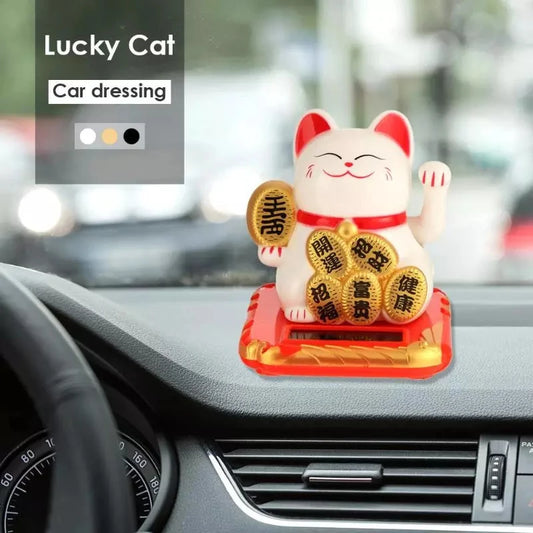
Maneki Neko are beckoning-cat figures widely associated with luck, welcoming and prosperity in Japanese popular culture. Modern products appear in many colors, poses and materials.
Color and raised-paw meanings are often described differently by makers and sellers, so avoid treating one retail symbolism chart as universal. For dedicated options, browse Japanese Lucky Cat, Maneki Neko.
Kokeshi-Style Dolls
Traditional Kokeshi are Japanese wooden dolls associated especially with northern Japan and recognizable for simplified bodies and painted decoration. Modern retail products can borrow the Kokeshi silhouette while using different materials or manufacturing methods.
For the focused collection, browse Japanese Kokeshi Dolls.
Geisha and Kimono Figurines
Some modern figurines depict women in kimono-style dress or use “geisha” in the product name. Geisha is a specific Japanese cultural profession, not a generic word for any woman wearing a kimono.
For shopping, judge these pieces by the actual costume design, pose, material and size rather than assuming historical accuracy from the title alone.
How to Display Japanese Figurines
Grouped Shelf Display
Use different heights and leave some negative space so small figures remain visible rather than blending into one crowded row.
Desk Display
Choose compact pieces with stable bases and enough clearance from the edge of the desk.
Display Cabinet
Cabinets work well for fragile ceramic or resin pieces because they reduce dust and accidental handling. Measure shelf height and depth before ordering.
Japanese-Inspired Décor Cluster
Figurines can be paired with Japanese Lanterns, Japanese Vases or Japanese Wall Art Décor without treating every object as a historically matched set.
Are These Figurines Traditional Japanese Art?
Some designs reference established Japanese forms such as Daruma, Kokeshi and Maneki Neko, while others are modern decorative interpretations. Do not assume a figurine is antique, museum-authentic, traditionally handcrafted or Japan-made without product-specific documentation.
What Affects Japanese Figurine Prices?
Use the live product card for current pricing because prices and variants can change. Differences can reflect material, size, finish, complexity, packaging and functional features.
Japanese Figurine Care
- Dust figurines with a soft dry cloth or soft brush.
- Avoid abrasive cleaners on painted, glazed or enamel-like surfaces.
- Keep ceramic and brittle resin pieces away from unstable shelf edges.
- Do not soak wood, paper-based or unknown materials.
- Support taller figures from the base rather than lifting by delicate projections.
- Use product-specific care guidance when provided.
Japanese Figurines FAQs
What types of Japanese figurines are available?
The collection includes Daruma, Maneki Neko, Kokeshi-style dolls, geisha or kimono figures and other Japanese-inspired decorative pieces.
What are Japanese figurines made from?
Materials vary by product and can include ceramic, resin, wood, plastic or mixed materials.
Are all Japanese figurines handmade?
No. Do not assume handmade production unless the individual product documents it.
Are these figurines made in Japan?
Do not assume Japanese manufacture from the collection name. Check each product page for origin information.
Which figurine should I choose as a gift?
Choose by the recipient’s preferred motif, available display space, material and whether they value symbolism, character design or general décor.
How should I clean a Japanese figurine?
A soft dry cloth or brush is a safer general starting point. Use product-specific instructions for delicate or unusual materials.
Shop Japanese Figurines
Compare pieces by figurine type, size, material, finish, cultural context and intended display. Use the dedicated Daruma, Maneki Neko and Kokeshi collections when you already know which tradition or motif you want.