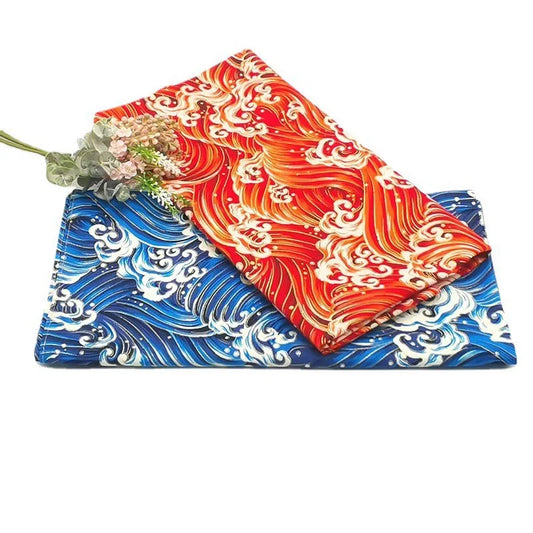
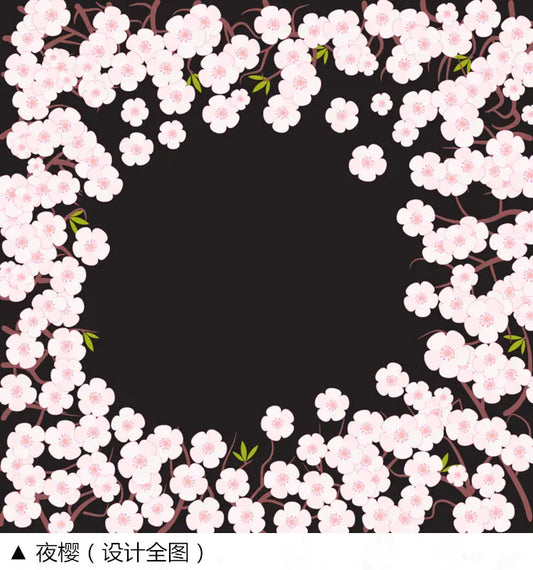
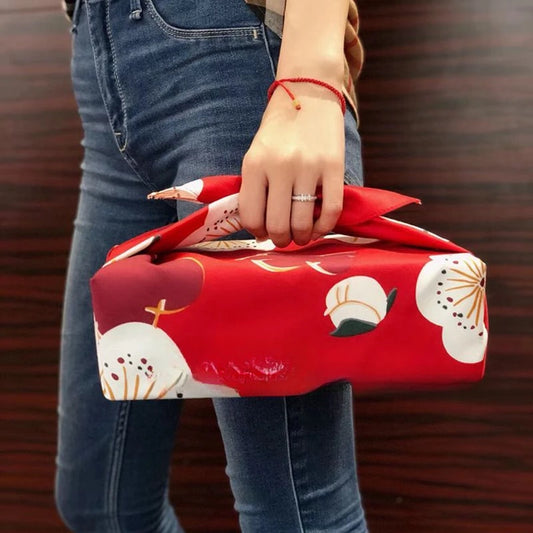
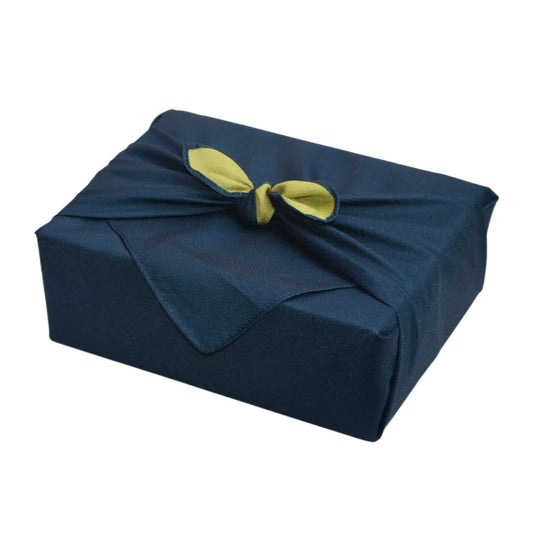
Shop Japanese Furoshiki wrapping cloths for gifts, bento boxes, small carry bags, decorative wrapping and reusable fabric presentation. Furoshiki are square or nearly square cloths that can be folded and tied in different ways around an object.
Fabric, size, thickness, print and care instructions vary by product. Do not assume every cloth is silk, cotton, handmade in Japan, equally strong, machine washable or suitable for carrying heavy objects unless the exact listing documents it.
Jump to: what it is · how to choose · size · uses · gift wrapping · bento wrapping · materials · care · FAQs
What Is Furoshiki?
Furoshiki refers to Japanese wrapping cloths used for wrapping, carrying and presenting objects. The practice has a long history in Japan, including use around bathhouses and for transporting clothing and belongings.
Modern Furoshiki are used for gift wrapping, bento boxes, bottles, books, small parcels and bag-like carrying styles. The cloth itself is simple, but the result changes depending on the fold, knot and object shape.
How to Choose a Furoshiki Wrapping Cloth
-
Start with the object size. The cloth must be large enough to wrap around the item and still leave enough fabric for a secure knot.
-
Check the fabric. Cotton, polyester, rayon, silk and blended fabrics can behave differently when tied.
-
Consider thickness. Thicker cloth can provide more structure, while lighter cloth may drape more easily around small gifts.
-
Choose the print for the occasion. Floral, crane, geometric and minimalist designs create different presentation styles.
-
Check whether the product is a single cloth or a gift set. Do not assume boxes, ribbons or accessories are included.
-
Think about reuse. If you intend to carry items rather than only wrap a gift, check the material and construction carefully.
How to Choose the Right Furoshiki Size
Furoshiki sizing should be matched to the object rather than chosen by appearance alone. A cloth for a small bento box does not need the same dimensions as one used around a bottle or larger gift box.
| What to compare |
Why it matters |
| Cloth width and height |
Determines whether the item can be fully wrapped |
| Object dimensions |
Bulky objects need more fabric than flat objects of similar width |
| Knot allowance |
You need enough extra fabric to form the intended knot securely |
| Fabric stretch and drape |
Stiffer and softer fabrics wrap differently |
Size tip: compare the cloth dimensions with the exact gift, bento box or object you plan to wrap. Do not assume one Furoshiki size fits every use.
Ways to Use Japanese Furoshiki
Gift Wrapping
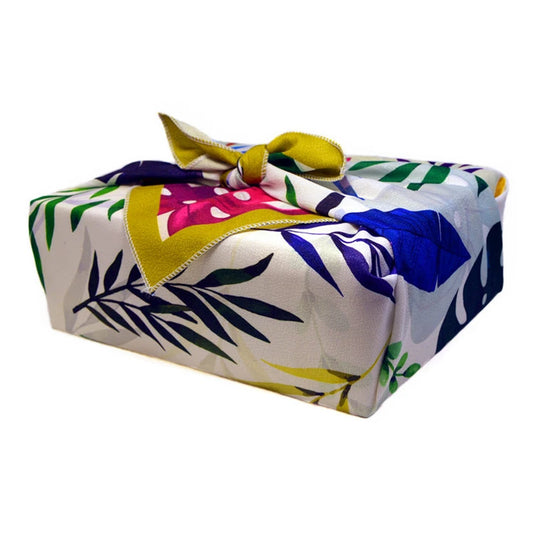
Furoshiki can replace disposable wrapping paper for many gift shapes. The cloth becomes part of the presentation and can often be reused afterward.
Small Carry Bag
Some Furoshiki folds create a temporary bag by tying the corners together. This works best for light items and should not be treated as equivalent to a reinforced tote or backpack.
Bento Box Wrap
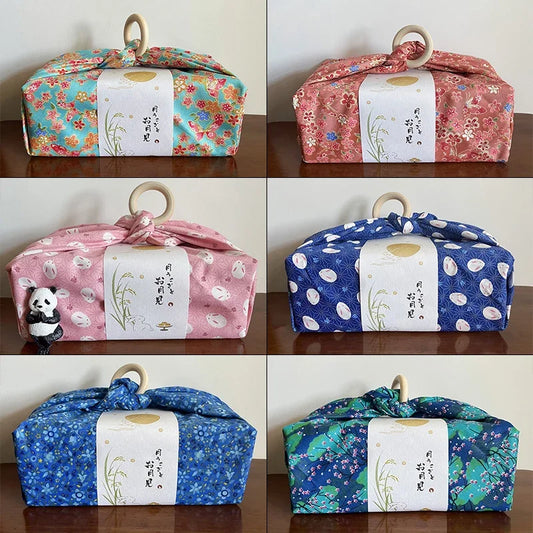
A Furoshiki can wrap a bento box, help keep the lid together and provide a cloth surface when the meal is opened. For dedicated lunch containers, browse Bento Boxes.
Bottle Wrapping
Longer diagonal folds can be used around bottles or cylindrical gifts. Check that the cloth provides enough height and knotting room before choosing this use.
Decorative Textile
Some shoppers use printed Furoshiki as a small wall textile, table accent or display cloth. That is a modern decorative use and does not require the cloth to be framed permanently.
How to Wrap a Gift With Furoshiki
There are many wrapping styles, but the basic process is simple:
- Lay the cloth flat with the design facing the direction you want.
- Place the gift near the center or according to the fold you are using.
- Bring opposing corners over the object.
- Fold or tuck the remaining corners.
- Tie the final corners securely without forcing the fabric.
The exact fold should match the object. A book, box, bottle and bento container are wrapped differently, so there is no single universal knot for every item.
Furoshiki for Bento Boxes
Furoshiki and bento boxes are a natural pairing because the cloth can wrap around the lunch container and be untied when it is time to eat.
Check the bento dimensions first. A cloth should leave enough extra fabric to tie comfortably around the box. For chopsticks and other lunch accessories, browse Japanese Bento & Sushi Accessories.
Furoshiki Materials
Furoshiki can be made from cotton, silk, rayon, polyester and other fabrics. Different materials affect drape, knot security, wash care, weight and appearance.
A product title or Japanese-inspired print does not prove silk content, handmade construction or Japanese manufacture. Use the exact product specification for those claims.
Is Furoshiki Eco-Friendly?
A reusable cloth can reduce the need for disposable gift wrapping when it is reused many times, but environmental impact depends on material, manufacturing, shipping, washing and how long the cloth remains in use.
It is more accurate to describe Furoshiki as a reusable wrapping option rather than claiming every cloth is automatically environmentally superior in every situation.
Are These Furoshiki Made in Japan?
Do not assume Japanese manufacture, handmade production or artisan origin from the collection name. Check the exact product listing for origin and production information.
What Affects Furoshiki Prices?
Use the live product card for current pricing because prices and variants can change. Differences can reflect fabric, size, print, finishing, packaging and current promotion.
Furoshiki Care
- Follow the product-specific fabric care instructions.
- Do not assume silk, cotton, polyester and rayon can all be washed the same way.
- Avoid bleach or harsh cleaners unless the care label permits them.
- Untie knots before washing or storage to reduce permanent creasing.
- Dry and store the cloth fully before folding it away.
- Use appropriate heat if ironing because synthetic and delicate fabrics can react differently.
Japanese Furoshiki Wrapping FAQs
What is Furoshiki?
Furoshiki is a Japanese wrapping cloth used to wrap, carry or present objects through folding and knotting.
What can I wrap with Furoshiki?
Common uses include gift boxes, books, bottles, bento boxes and other small objects when the cloth is large enough.
What size Furoshiki should I buy?
Choose based on the dimensions and bulk of the object plus enough extra fabric for the intended knot.
What are Furoshiki made from?
Materials vary and can include cotton, polyester, rayon, silk and other fabrics. Check the exact listing.
Can I use Furoshiki as a bag?
Some folds create a temporary carry bag for light items, but strength depends on the cloth and knot.
Are these Furoshiki made in Japan?
Do not assume Japanese manufacture from the collection name. Check the exact product page for origin information.
Shop Japanese Furoshiki Wrapping
Compare cloths by size, fabric, print, drape, intended object and care requirements. For related traditional textiles, browse Tenugui Japanese Towels.