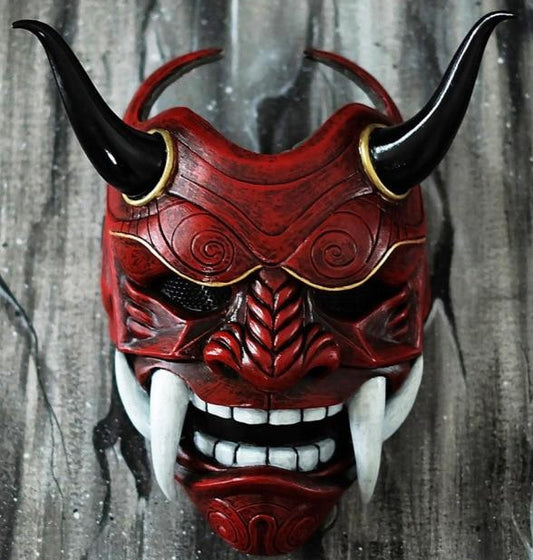
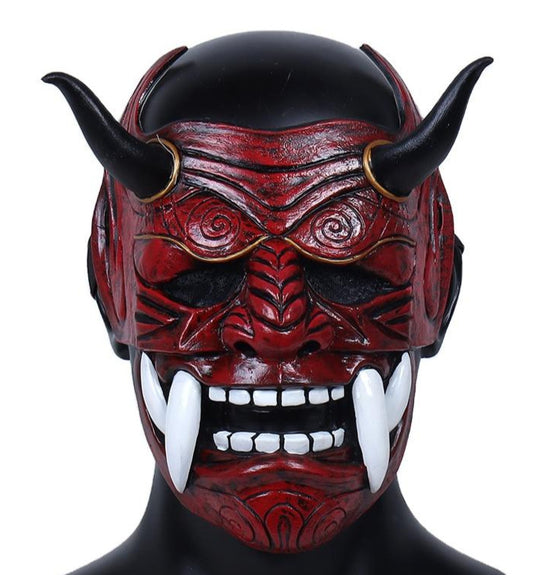
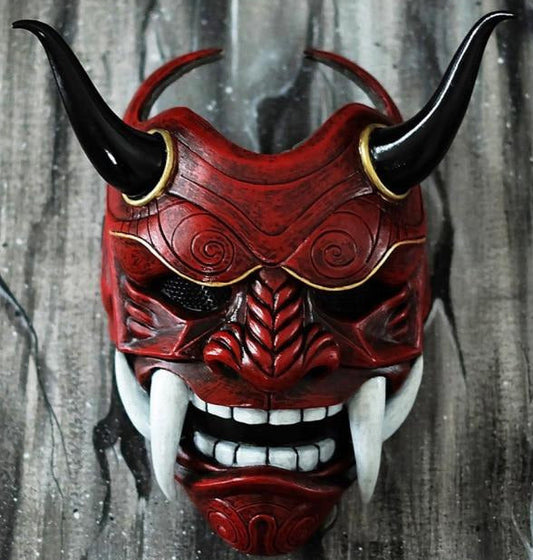
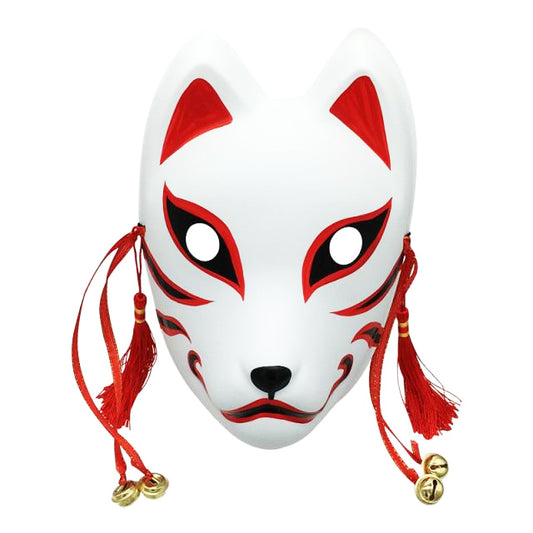
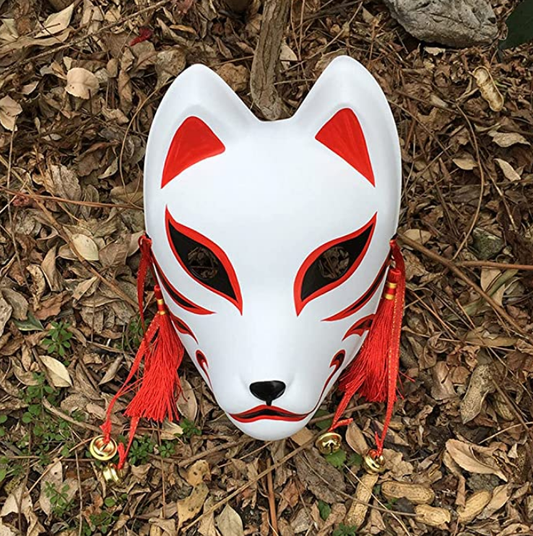
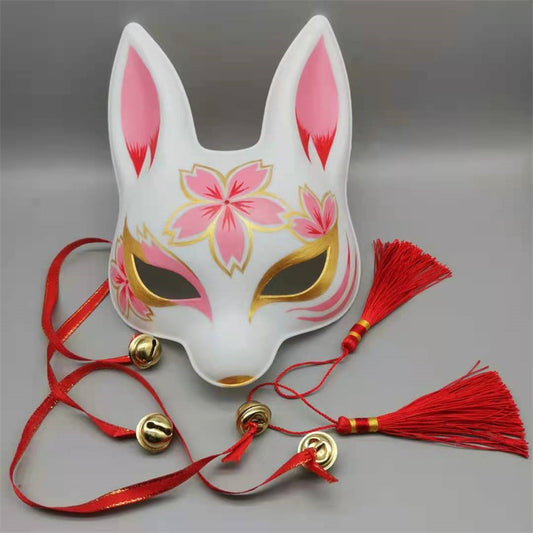
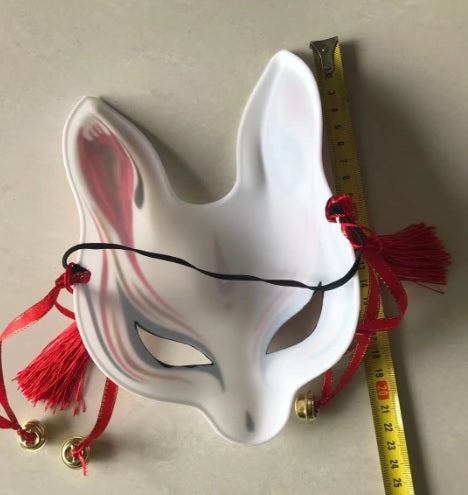
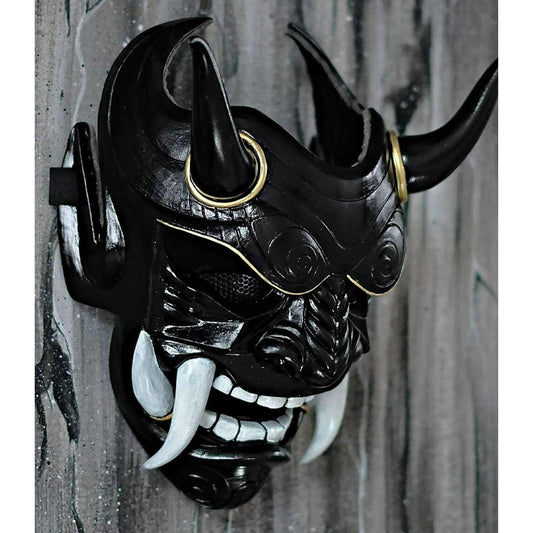
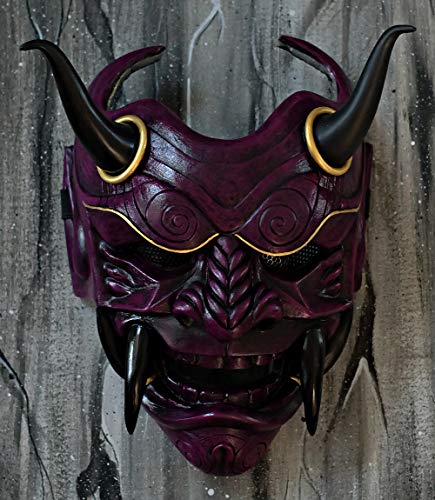
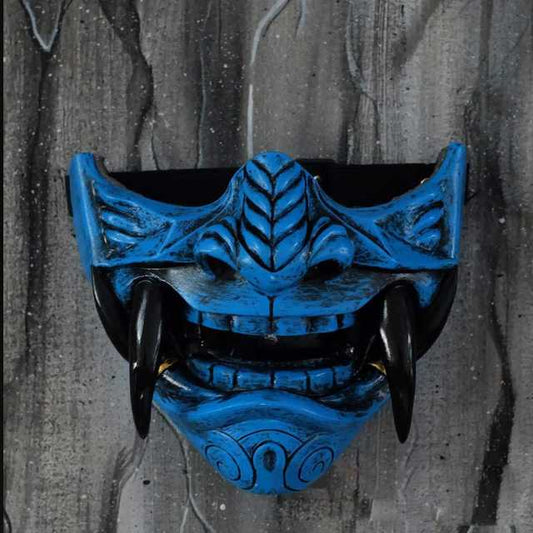
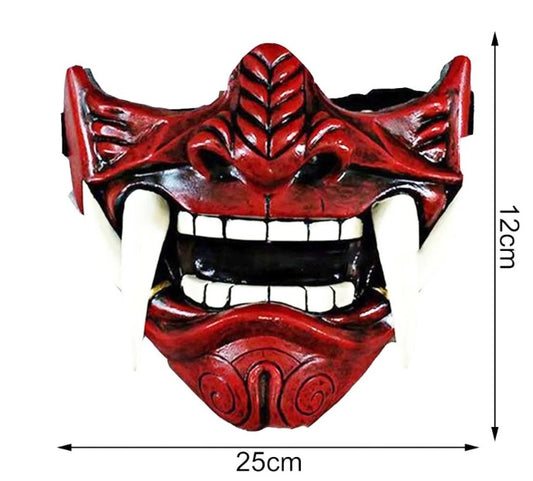
Browse Japanese masks and Japanese-inspired masks across Oni, Kitsune/fox, Hannya, samurai-inspired, LED, graphic face-covering and costume styles. This parent collection is designed for comparing mask families across the store. If you already know the style you want, use the specialist collections below for a more focused selection.
Not every product here is a traditional Japanese theatre mask, and not every mask uses the same material or construction. The catalog includes modern cosplay and costume masks alongside designs inspired by Japanese folklore, theatre, armor and popular visual motifs. Check each product page for the exact material, dimensions, fastening and included components.
Jump to: mask types · how to choose · full vs half face · materials · history and tradition · meanings · care · FAQs
Shop Japanese Masks by Type
This parent collection brings together the store's broad Oni, Kitsune/fox and Japanese face-mask catalog, while the related specialist collections below help you narrow by style, material or use. That makes it easier to compare masks without treating every Japanese mask tradition as if it had the same history or meaning.
| Mask type |
What to expect |
Browse |
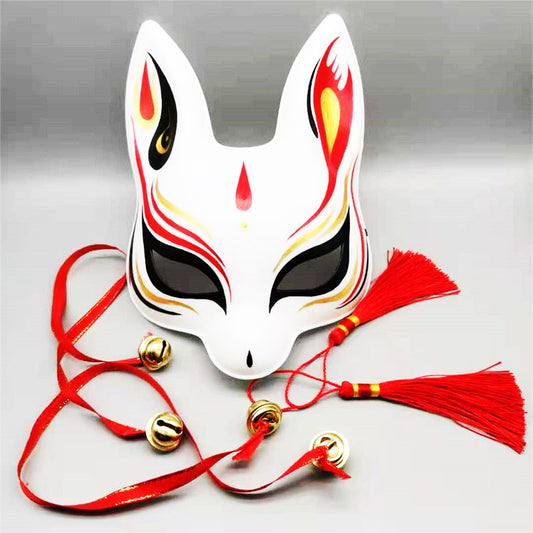
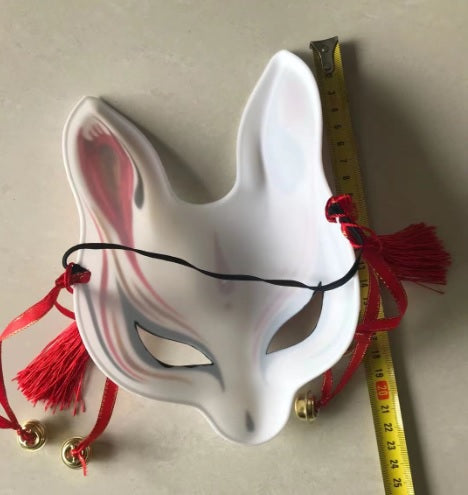
| Kitsune and fox masks |
The largest group, including full-face, half-face, painted, decorative and costume-oriented fox designs. |
Kitsune Masks |
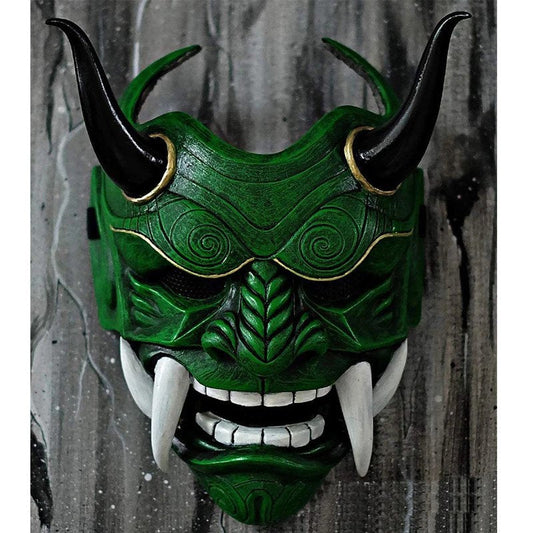
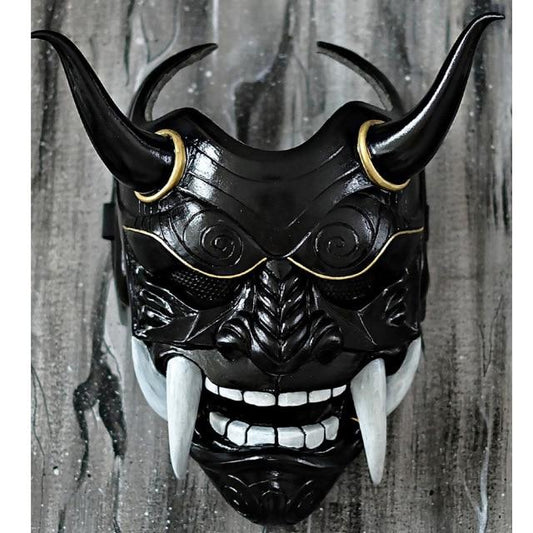
| Oni masks |
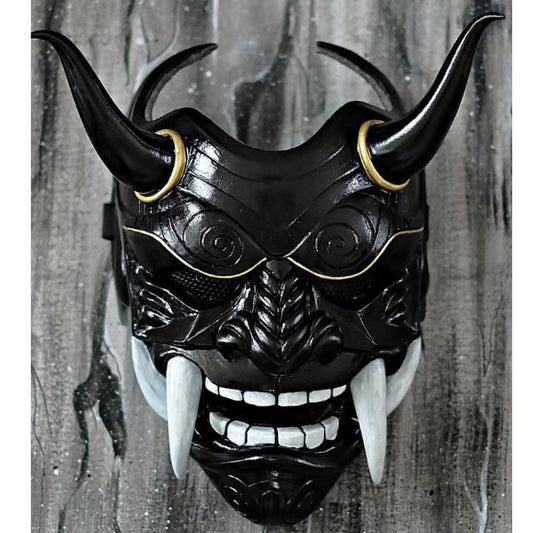
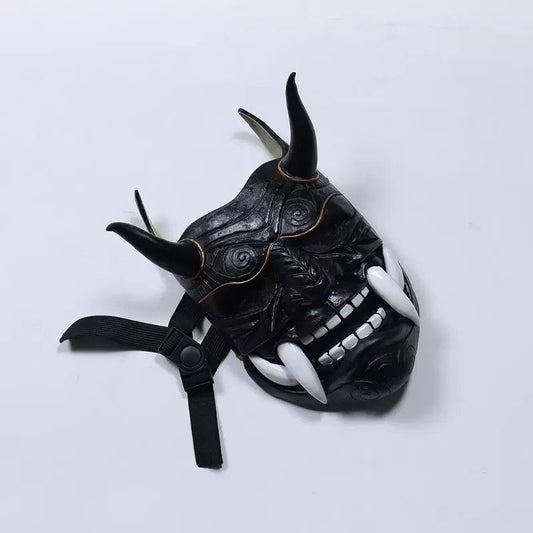
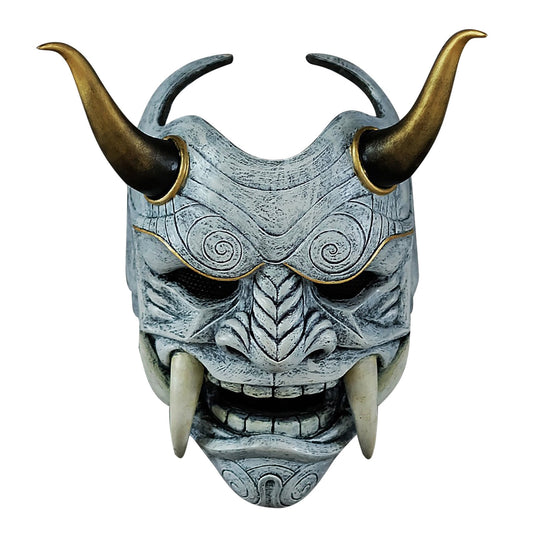
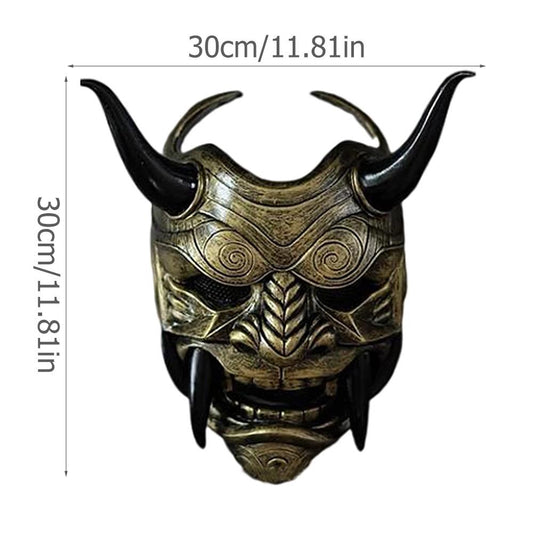
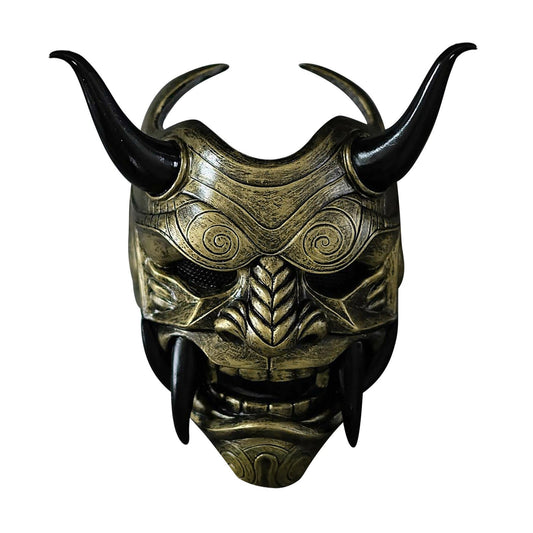
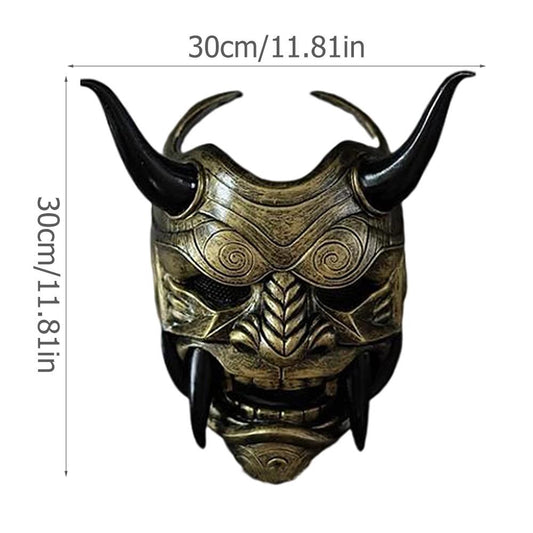
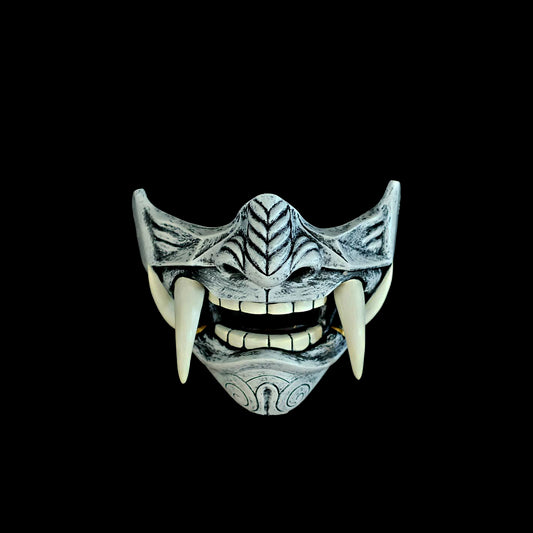
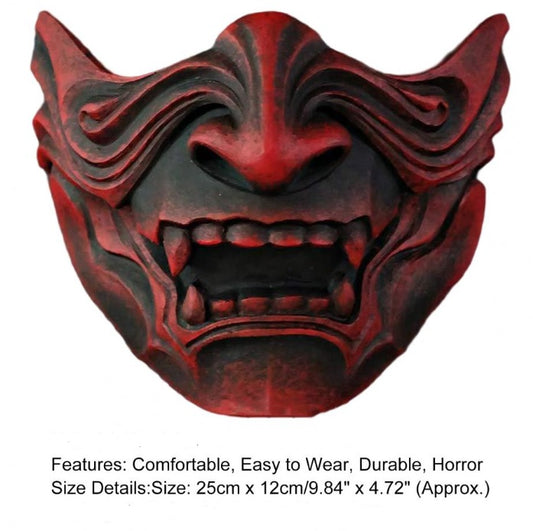
Demon- and ogre-inspired designs in flexible and rigid constructions, including full-face and half-face formats. |
Oni Masks |
| Hannya masks |
Modern masks inspired by the distinctive Hannya mask associated with Japanese Noh theatre. |
Hannya Masks |
| Samurai-inspired masks |
Costume and display designs influenced by Japanese warrior face armor and modern theatrical styling. |
Samurai Masks |
| LED masks |
Light-up fox, Kitsune, Hannya and related styles for cosplay, parties, photography and events. |
Japanese LED Masks |
| Graphic face coverings |
Soft printed face coverings plus selected rigid skull-style costume masks. |
Japanese Face Masks |
| Halloween masks |
A costume-focused group for Halloween, parties and photography rather than one historical Japanese mask tradition. |
Japanese Halloween Masks |
How to Choose a Japanese Mask
Start with what you want the mask to do. A rigid display mask, a flexible costume mask, a half-face piece for layering and an LED mask for night photography solve different problems even when they share similar colors or motifs.
-
Choose the mask family first. Kitsune, Oni, Hannya and samurai-inspired designs have different cultural references and should not be treated as interchangeable names for the same mask.
-
Choose coverage. Full-face masks create a stronger transformation, while half-face masks leave more of the face visible and can be easier to combine with hoods, wigs or armor-inspired clothing.
-
Check the exact material. The wider catalog includes fiberglass, latex and other flexible materials, PVC/plastic, fabric face coverings and products with LED components. Material should be confirmed on the individual listing.
-
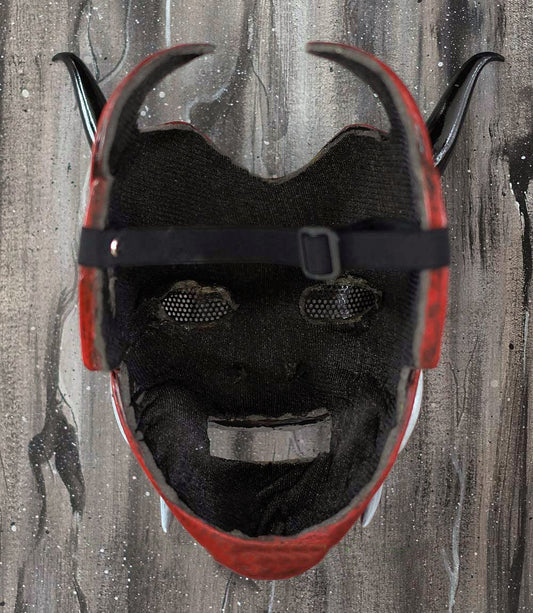
Check fit and visibility. Look for product-specific dimensions, head or strap ranges, eye openings, padding and fastening information. Exterior measurements alone do not guarantee the same internal fit.
-
For LED masks, check the power details. Battery type, lighting modes and included accessories can vary by product.
-
For display, consider structure. Rigid fiberglass and similar shells generally hold a sculpted shape more consistently than flexible masks, while soft materials need suitable support during storage.
Full-Face vs Half-Face Japanese Masks
Full-face Japanese masks cover most or all of the face and work well when the mask is intended to be the main visual element of a costume, portrait or display. Fox/Kitsune and Oni styles make up much of this group.
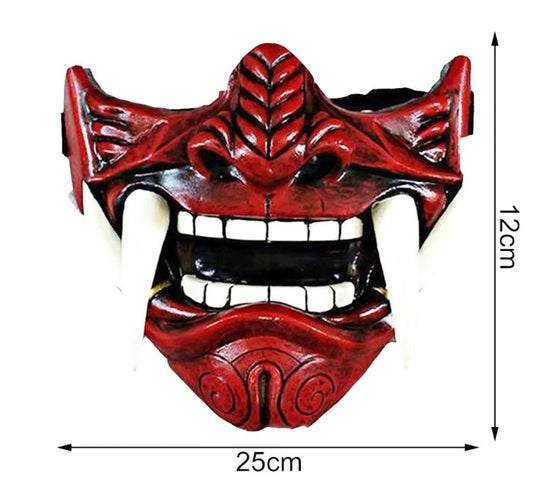
Half-face Japanese masks cover only part of the face. They can provide more flexibility for layered costumes and are common among Oni, menpo-inspired, fox, cat and decorative styles. Coverage still varies from product to product, so compare photographs and dimensions rather than relying on the phrase “half face” alone.
Japanese Mask Materials
Materials in the current catalog vary widely. Traditional Japanese performance masks and modern commercial costume masks are not made to one standard, so the individual product listing should be the source of truth for construction and material.
Fiberglass Masks
Fiberglass is used for rigid sculpted masks in parts of the Oni, samurai-inspired and costume ranges. It is useful when you want a firm shell for photography or display. Compare the dedicated Fiberglass Oni Masks collection for material-specific shopping.
Latex and Other Flexible Masks
Flexible masks can conform and move differently from a rigid shell. The Latex Oni Masks collection includes latex products but also contains some historically tagged flexible masks whose individual listings specify TPU or another material. Always check the exact listing.
PVC, Plastic and LED Masks
Many fox/Kitsune and light-up styles use PVC, plastic or related modern materials. LED products also include electronic components, so they need different care from non-electronic masks.
Fabric Face Coverings
The Japanese Face Mask collection contains soft graphic face coverings alongside a smaller number of rigid costume masks. These should not be confused with Noh masks, Oni masks or protective medical equipment.
Traditional Japanese Masks and Modern Japanese-Inspired Masks
Japan has several distinct mask traditions, and they should not be collapsed into one generic category. Masks have appeared in theatre, court dance, festivals, ritual performance and folk traditions at different times and for different purposes.
Noh masks are a major historical theatre tradition. Surviving museum examples show carved and painted or lacquered wooden masks representing specific character types. Hannya is one well-known Noh mask, but it is only one character type within a much larger theatrical system.
Kyogen, the comic theatre performed alongside Noh, also uses masks for particular roles. Bugaku, an older court-dance tradition, includes distinctive performance masks as well.
Kabuki needs an important distinction. Kabuki is especially associated with highly stylized stage makeup, including kumadori for certain roles, rather than a standardized carved-mask tradition comparable with Noh. Products sold online as “Kabuki masks” are often modern costume or design labels. Read the individual product description rather than assuming the name identifies an authentic historical Kabuki stage mask.
Most products in this store are modern costume, cosplay, photography or display items inspired by Japanese imagery. They should not be described as antique, museum-grade, shrine-issued, performance-used or authentically historical unless a specific listing provides evidence for that claim.
For a broader historical overview, symbolism and more mask types, read the guide to 18 types of Japanese masks.
Japanese Mask Meanings
There is no single meaning that applies to every Japanese mask, and there is no reliable universal color chart that can decode every red, white or black mask. Meaning depends on the mask type, performance tradition, story, character and modern design context.
-
Oni are supernatural beings found across Japanese folklore and visual culture. Modern Oni masks often emphasize horns, fangs and forceful expressions, but individual stories and representations vary.
-
Kitsune means fox. Fox imagery appears in Japanese folklore and religious contexts, but a modern commercial fox mask should not automatically be presented as a ritual object or as having one fixed spiritual meaning.
-
Hannya refers to a specific Noh mask associated with a woman transformed by jealousy, anguish and rage. It is more specific than the broad category “demon mask.”
-
Samurai and menpo-inspired designs draw visually from Japanese warrior face armor. Historical menpo belongs to armor history rather than the same theatrical tradition as Noh masks.
Japanese Masks for Cosplay, Costumes, Festivals and Display
For cosplay and costumes, prioritize fit, visibility, fastening and how well the mask works with the rest of the outfit. For photography, consider surface finish, eye visibility and how reflective materials behave under direct lighting. For festivals or parties, comfort and secure fastening matter more than simply choosing the most elaborate design. For display, choose a support that does not distort flexible materials or put unnecessary pressure on rigid horns and edges.
Buying Japanese Masks Online
Before ordering, open the individual product page and confirm the exact material, selected color or style, dimensions, fastening method, included pieces and current price. Products with similar names can have different construction, so do not transfer specifications from one listing to another.
If you already know whether you want a fox, Oni, Hannya, samurai-inspired, LED or Halloween mask, using the dedicated collection is usually faster than browsing the full parent catalog.
Care and Storage
-
Rigid fiberglass masks: protect them from drops, hard impact, abrasive cleaning and pressure on horns or edges.
-
Latex and flexible masks: keep them away from prolonged heat and direct sunlight, and avoid crushing them during storage.
-
PVC and plastic masks: use gentle cleaning methods and avoid harsh solvents unless the product instructions specifically allow them.
-
LED masks: keep electronic components dry and remove batteries for long-term storage where appropriate.
-
Fabric face coverings: follow the care information for the specific fabric and print rather than assuming every covering can be washed the same way.
Safety note: masks in these collections should be treated as costume, cosplay, photography and display products unless a listing explicitly documents a recognized protective certification. Do not assume they are protective equipment for airsoft, paintball, motorcycles, industrial work or impact hazards.
Japanese Mask FAQs
What are the main types of Japanese masks?
Japanese mask traditions include Noh, Kyogen, Bugaku and masks used in various festival or folk contexts. Modern shopping categories also include Oni, Kitsune, Hannya-inspired, samurai-inspired, LED and costume masks. These categories do not all come from the same historical tradition.
What is the difference between an Oni mask and a Hannya mask?
Oni are a broad class of supernatural beings in Japanese folklore. Hannya is a specific Noh mask associated with a transformed female character. Modern designs can share horns and fierce features, but the terms are not historically interchangeable.
What is a Kitsune mask?
A Kitsune mask is a fox mask or fox-inspired mask. Modern versions are popular for cosplay, festivals, costumes and display. Their exact design and intended use vary, so a commercial Kitsune mask should not automatically be described as a ritual or shrine object.
Are Kabuki masks traditional Japanese theatre masks?
Kabuki is strongly associated with stylized stage makeup rather than a standardized carved-mask system like Noh. “Kabuki mask” is often used as a modern retail or design term, so check the product description rather than assuming historical stage authenticity.
What material is best for a Japanese mask?
There is no single best material. Fiberglass suits buyers who want a rigid sculpted shell, flexible materials suit different costume needs, and PVC/plastic is common in many modern fox and LED designs. Choose based on fit, use and the exact product specifications.
Do Japanese mask colors have fixed meanings?
Not across every mask tradition. Color can matter within a particular performance, character or design context, but internet charts that assign one universal meaning to every red, white or black Japanese mask oversimplify different traditions.
Are the masks in this collection handmade or authentic antiques?
Do not assume that. This collection contains modern commercial products from multiple suppliers and materials. Handmade, antique, artisan-made or historically authentic status should only be claimed when the individual listing specifically documents it.
Are these Japanese masks protective equipment?
No protective certification should be assumed. Treat them as costume, cosplay, photography and display products unless a specific listing documents a recognized protective standard.

 Sale
Sale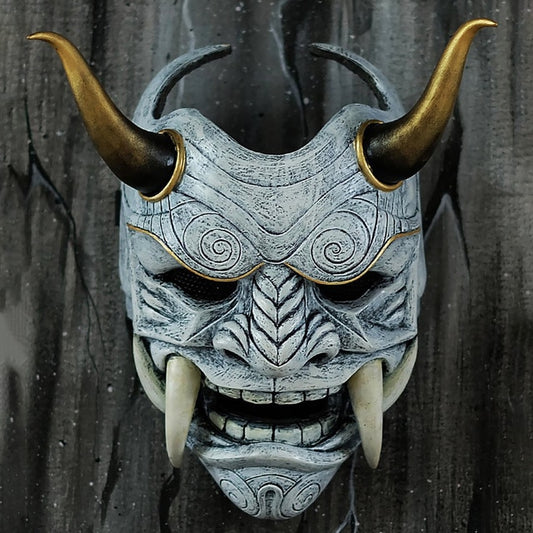
 Sale
Sale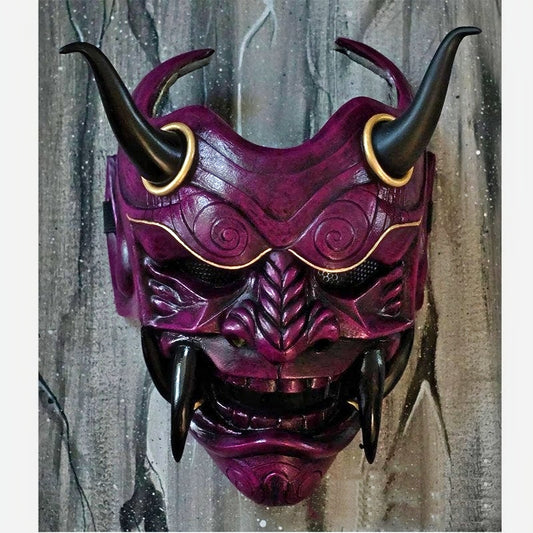
 Sale
Sale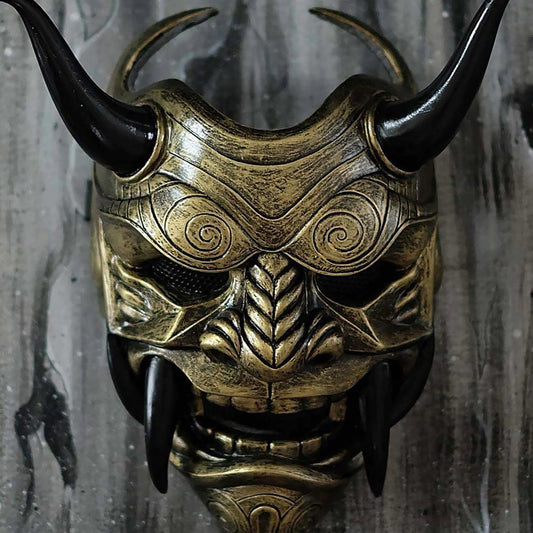
 Sale
Sale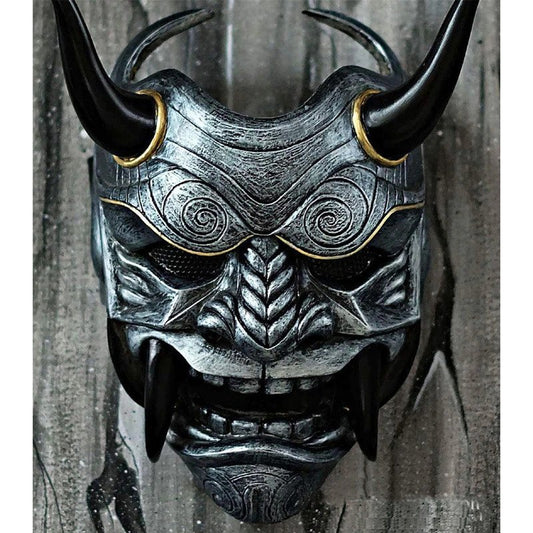
 Sale
Sale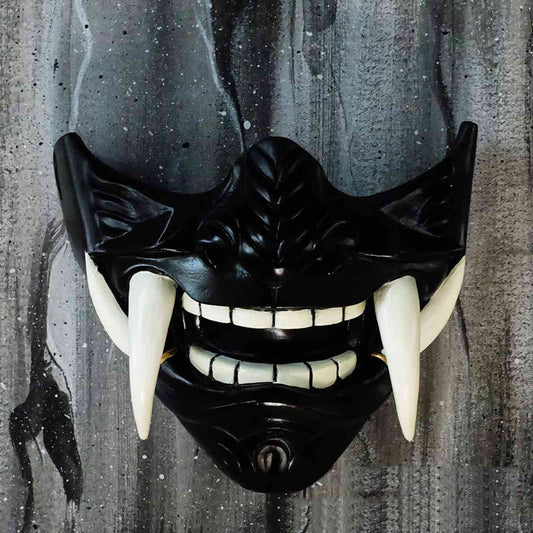
 Sale
Sale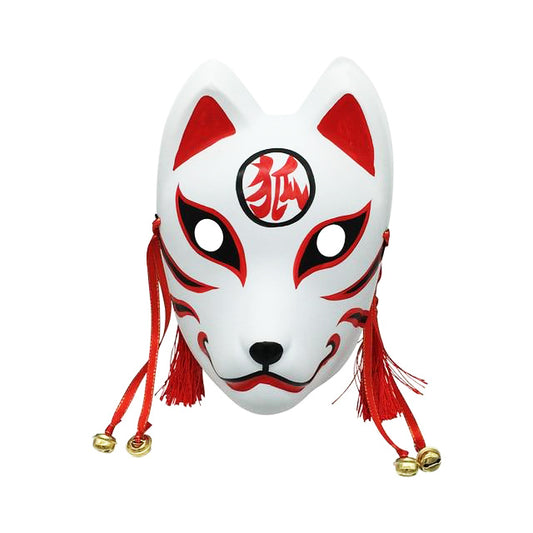 Sale
Sale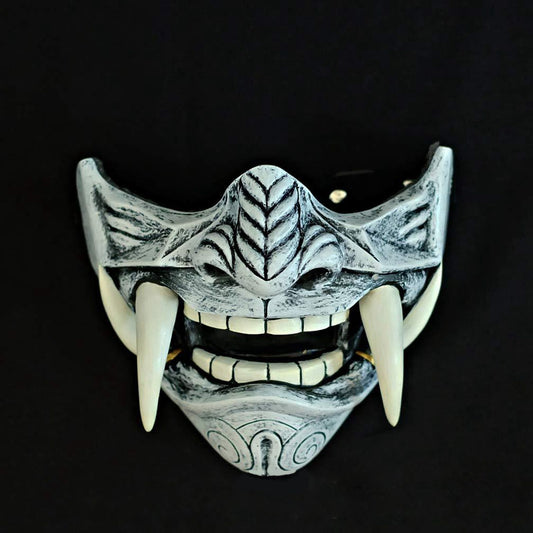
 Sale
Sale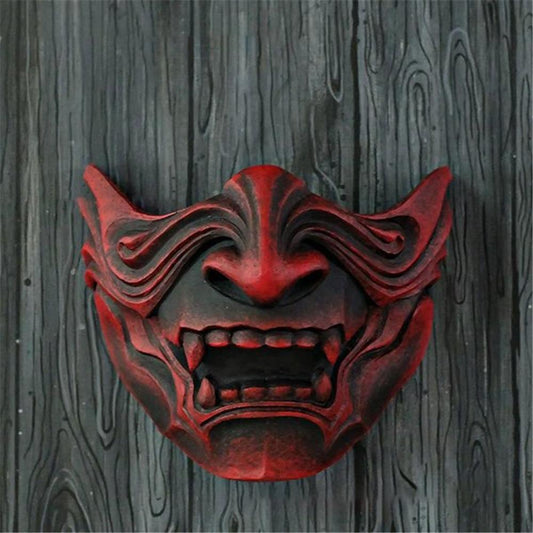
 Sale
Sale