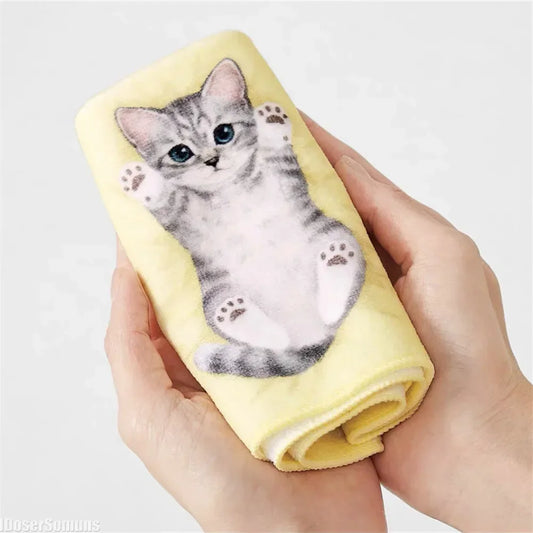
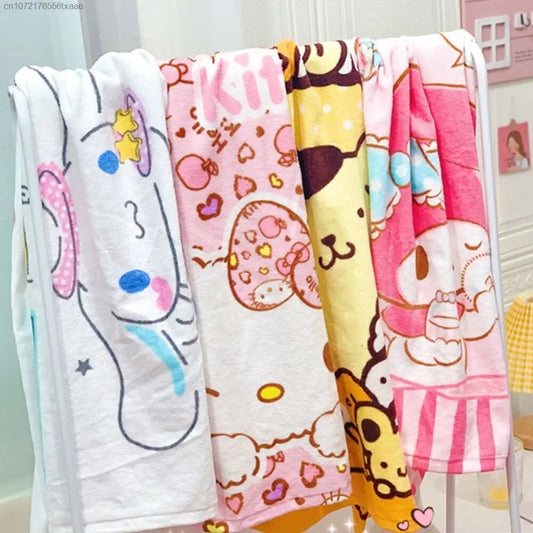
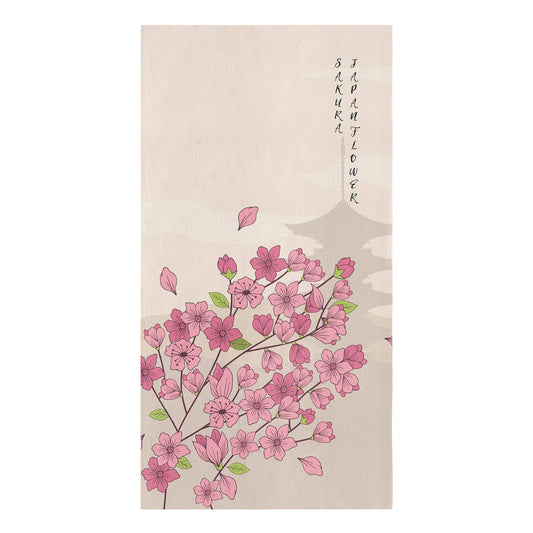
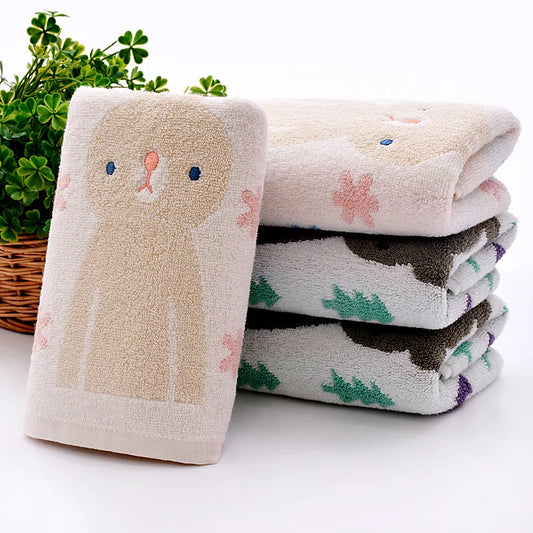
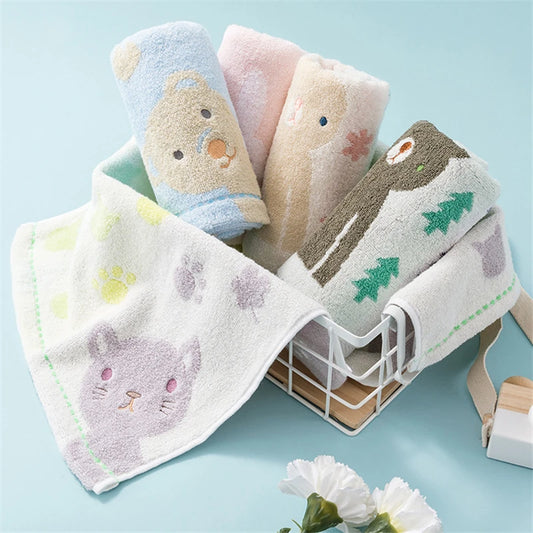
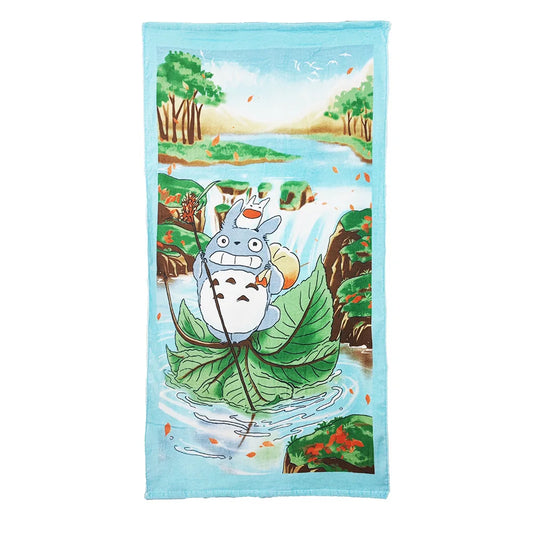
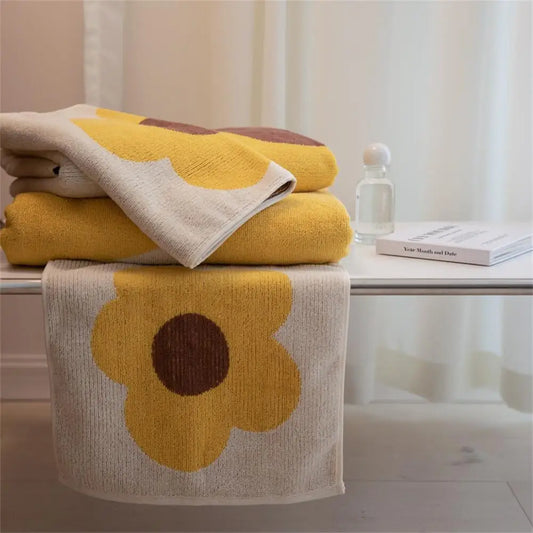
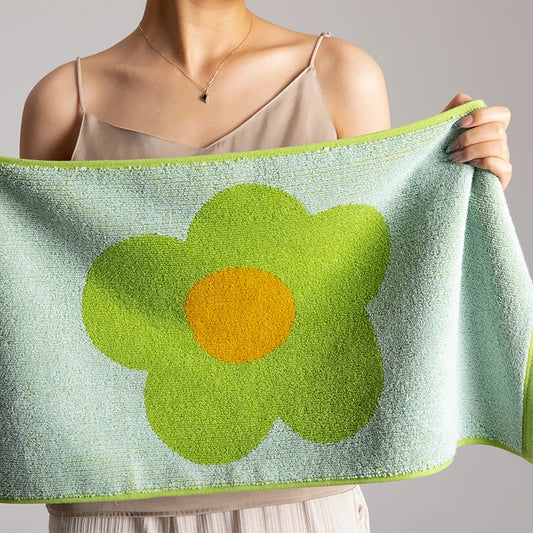
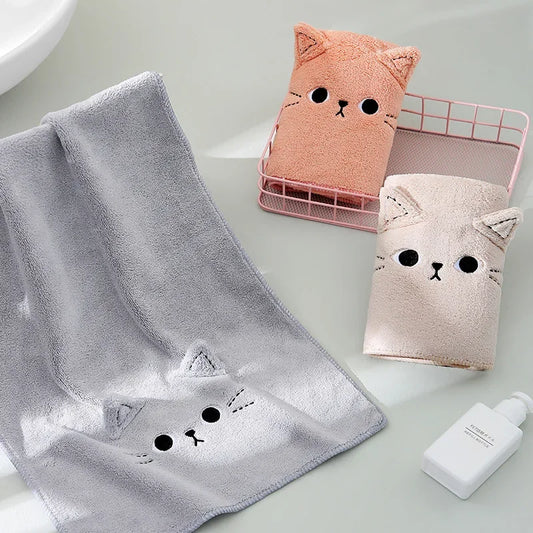
Shop Tenugui Japanese towels and related Japanese-style cloths in cat, floral, children’s and graphic designs. Traditional Tenugui are long, narrow Japanese cloths commonly made from lightweight cotton, but the live assortment also includes some broader towel products. Check each listing carefully if you specifically want a traditional Tenugui rather than a general hand, hair or decorative towel.
Material, dimensions, edge finish, absorbency and care vary by product. Do not assume every item is authentic Japanese-made Tenugui, 100% cotton, handmade, naturally dyed or suitable for the same uses.
Jump to: what is Tenugui · Tenugui vs towel · how to choose · size · uses · raw edges · materials · care · FAQs
What Is a Tenugui?
A Tenugui is a traditional Japanese cloth with a long, narrow shape. It has historically been used for drying, wiping, wrapping, headwear, decoration and many other everyday purposes.
Traditional Tenugui are often made from lightweight cotton and are known for drying relatively quickly compared with thicker terry towels. However, that should not be extended to every item in this collection because some current products use different towel formats and materials.
Tenugui vs Regular Towel
| Feature |
Traditional Tenugui |
Typical terry towel |
| Shape |
Long and narrow |
Many sizes and proportions |
| Fabric structure |
Usually flat woven |
Often looped terry |
| Thickness |
Usually lightweight |
Often thicker |
| Common uses |
Wiping, wrapping, headwear, decoration, carrying small items |
Primarily drying and household use |
A product tagged into this collection is not automatically traditional Tenugui simply because it is a towel. Use the exact dimensions, material and construction to distinguish the product type.
How to Choose a Tenugui Japanese Towel
-
Check the dimensions. Traditional Tenugui have a distinct long, narrow format, while some related towels are square or much wider.
-
Verify the material. Cotton, microfiber and other fabrics behave differently for drying, wrapping and decoration.
-
Check the edges. Some traditional Tenugui use unfinished short edges, while modern products may be hemmed.
-
Choose the print for the use. Cat, floral and graphic patterns can work for display, gifts or everyday use.
-
Decide whether you want a traditional cloth or a conventional towel. This matters more than the collection label alone.
-
Check care instructions. Printed cotton and microfiber should not automatically be washed or dried the same way.
Tenugui Size and Proportion
Traditional Tenugui are usually much longer than they are wide, but exact dimensions vary. Modern products sold under Tenugui-related names may use different proportions.
Size tip: check the actual measurements before buying. A small hand towel, a long traditional-style cloth and a large decorative towel serve very different purposes.
Ways to Use a Tenugui
Hand and Face Cloth
A lightweight Tenugui can be used for wiping hands or face when the fabric and care instructions suit that use.
Headband or Head Wrap
The long shape can be tied around the head for festivals, casual wear, work or exercise. For dedicated headwear, compare Japanese Headbands.
Gift Wrapping
A Tenugui can wrap a small object or gift, although square Furoshiki are generally more flexible for multi-directional knot wrapping.
Wall Display
Printed Tenugui are often displayed as decorative textiles. The long rectangular format works well for narrow wall spaces and seasonal artwork.
Kitchen and Table Use
Depending on material, a Tenugui can function as a light kitchen cloth, cover or table accent. Do not assume every decorative or microfiber product is food-contact suitable.
Bag or Clothing Accent
A lightweight cloth can be tied around a bag handle, neck or wrist as a modern styling detail when the dimensions allow it.
Why Do Some Tenugui Have Raw Edges?
Traditional Tenugui are often made with unfinished short edges rather than fully sewn hems. This can help the cloth dry quickly and allows the edges to soften with use.
New raw edges may fray slightly at first. Loose threads can be trimmed carefully, but do not assume every product in the collection uses this construction. Many modern towel products are fully hemmed.
Tenugui Materials
Traditional Tenugui are commonly associated with cotton, but the live collection includes related towel products that may use other fibers such as microfiber or mixed materials.
Check the exact product listing before making claims about cotton percentage, softness, absorbency, dye method or Japanese manufacture.
Tenugui Patterns and Japanese-Inspired Designs
Tenugui can feature traditional motifs, seasonal designs, animals, flowers, geometric patterns and modern illustrations. A Japanese motif does not automatically make the cloth historically traditional or Japan-made.
For display, choose by composition and color. For practical use, material and size should come before artwork.
Are These Genuine Japanese Tenugui?
This collection does not make a blanket authenticity claim. Some products fit the traditional Tenugui format more closely than others, while some are broader towel products carrying the same collection tag.
If authenticity matters, check the exact product for dimensions, material, edge construction, origin and manufacturing information.
What Affects Tenugui Prices?
Use the live product card for current pricing because prices and variants can change. Differences can reflect fabric, size, print, finishing, packaging and current promotion.
Tenugui Care
- Follow the exact product’s care instructions.
- Wash new printed cloths with similar colors when color transfer is possible.
- Do not assume cotton Tenugui and microfiber towels can use the same temperature or drying method.
- Avoid harsh bleach unless the care label explicitly permits it.
- For raw-edge Tenugui, trim loose threads carefully rather than pulling them.
- Air dry when appropriate to help preserve print and fabric shape.
- Store the cloth fully dry to reduce odor and mildew risk.
Tenugui Japanese Towel FAQs
What is a Tenugui?
A Tenugui is a traditional Japanese long, narrow cloth used for wiping, wrapping, headwear, decoration and other everyday purposes.
Is a Tenugui the same as a regular towel?
No. Traditional Tenugui are usually lightweight, flat-woven and long rather than thick terry towels.
Are Tenugui made from cotton?
Traditional Tenugui are commonly cotton, but this collection also includes related towel products using other materials. Check the exact listing.
Why are some Tenugui edges unfinished?
Traditional Tenugui often use raw short edges. They can fray slightly at first and soften with use.
Can I use Tenugui for gift wrapping?
Yes for small objects when the dimensions work, although square Furoshiki are usually more versatile for tied gift wrapping.
Are all products in this collection traditional Tenugui?
No. The live assortment also includes some general towel products, so check dimensions, material and construction if you specifically want traditional Tenugui.
Are these Tenugui made in Japan?
Do not assume Japanese manufacture from the collection name. Check the exact product page for origin information.
Shop Tenugui Japanese Towels
Compare products by dimensions, material, edge finish, print, intended use and care requirements. For square wrapping cloths, browse Japanese Furoshiki Wrapping.